New York Declares Measles Emergency as U.S. Cases Grow Over 4,000
As measles cases rise, discover what New York state officials are doing to help combat this outbreak.
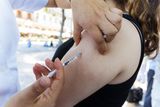
New York Governor Kathy Hochul declared a state disaster emergency on Oct. 5, 2026, as measles cases continue to surge nationwide. According to the Centers for Disease Control and Prevention (CDC), there have been more than 4,000 confirmed cases across the U.S., nearly double the number reported in 2025. Governor Hochul's declaration aims to strengthen efforts to curb the outbreak, maintaining the emergency order until November 4, 2026.
The Emergency Order was announced by Governor Hochul, emphasizing the importance of preventing serious illness or death from a vaccine-preventable disease. James McDonald, the New York State Department of Health Commissioner, expressed appreciation for the governor's swift action and stated that the department's staff is collaborating with local health departments and regional partners to monitor and contain the disease.
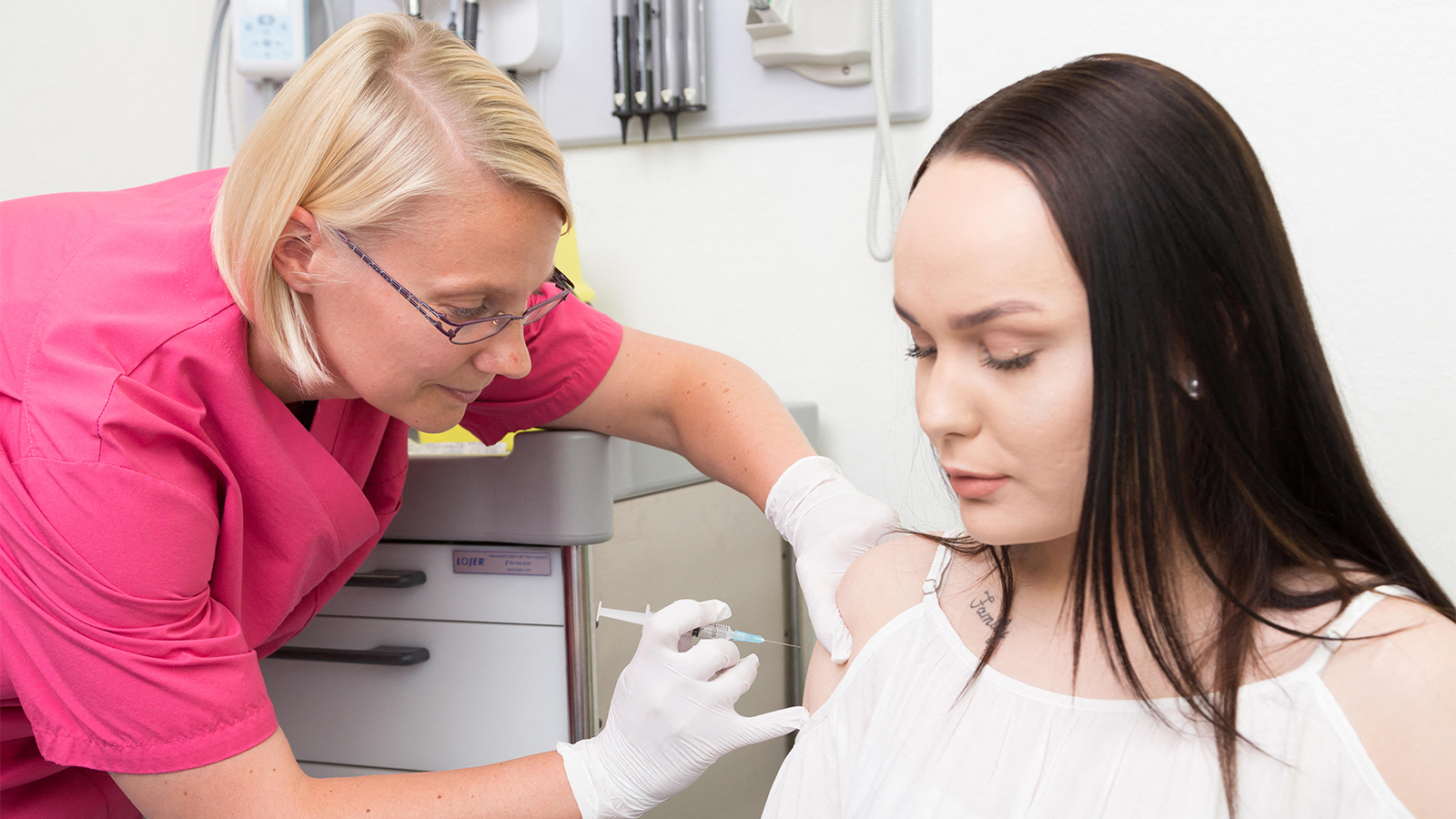
McDonald urged residents to check their vaccination status and emphasized that the measles, mumps, and rubella vaccine is the best protection against the disease. In rural counties such as Otsego, Seneca, and Steuben, some of the highest caseloads in 2026 have been reported.
Measles, highly contagious through respiratory droplets, causes a distinctive rash and can lead to severe complications like pneumonia, brain swelling, and even death. Vaccination effectiveness is 93% with one shot and 97% with two. New York's overall vaccination rate stands at 80.9%, though this varies significantly by county and may be an underestimation.
The rise in measles cases is linked to declining vaccination rates due to misinformation. State Senator Gustavo Rivera pointed out the risk diseases like measles and flu pose to vulnerable groups. The U.S. officially eliminated measles in 2000, but outbreaks have increased in recent years. Pennsylvania, New York's neighbor, has seen the largest surge with over 1,100 confirmed cases as of Oct. 11, 2026.
Written by urgent.news from Discover Magazine's reporting — not their text. Machine-written — may contain errors; check the original before relying on it.