Netizen raises housing, healthcare, and retirement concerns after PM Wong’s remarks on Singapore’s high costs
SINGAPORE: Questions about whether Singapore’s strong economic performance is translating into better lives for ordinary Singaporeans have resurfaced following Prime Minister Lawrence Wong’s remarks on price caps amid the city-state’s high cost of living at the 24th Forbes Global CEO Conference. According to Mothership , in response to Forbes’ remark that Singapore was “not a cheap place to…
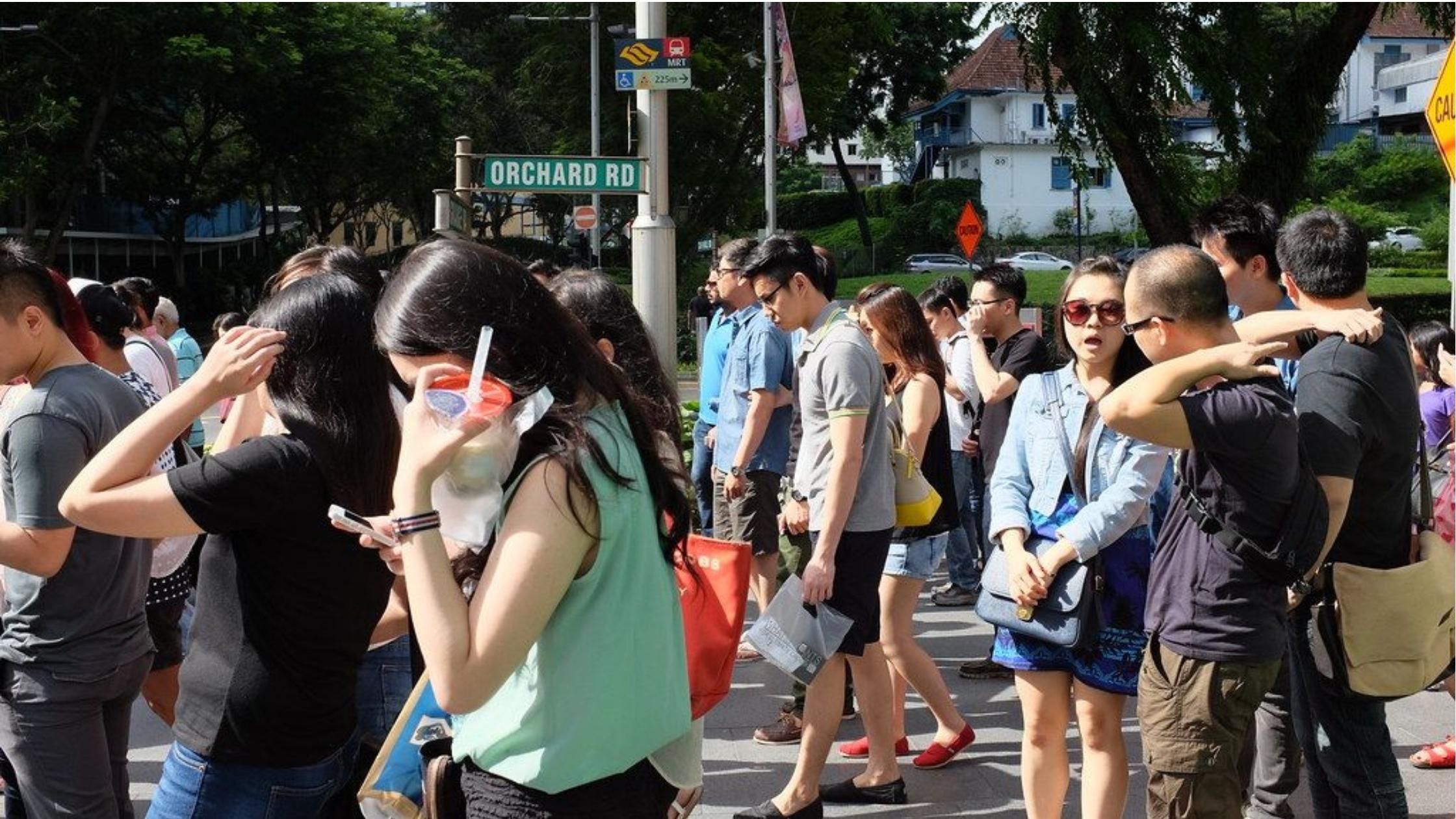
The Prime Minister of Singapore, Lawrence Wong, recently addressed concerns about the city-state's high cost of living at the 24th Forbes Global CEO Conference. When asked about the country's strong economic performance, Wong admitted that Singapore is not cheap to live in. He also dismissed the notion that the government should impose price caps, asserting that they serve as "legitimate price signals" and that intervention could lead to undesirable outcomes.
Wong explained that it's not possible to demand high incomes while also seeking low prices, as the services consumed by individuals are what pay the salaries of those providing them.
However, a netizen commenting on the r/singapore forum questioned whether Singapore's economic success truly translates into a better life for ordinary citizens. The netizen argued that even a country with robust economic growth and sound public finances could still face challenges related to housing affordability, healthcare expenses, wage growth, retirement adequacy, and work-life balance.
According to the netizen, these outcomes should be evaluated separately and not assumed to improve automatically with GDP. The netizen emphasized that "economic growth should ultimately help people live more secure, healthy and fulfilling lives" and that Singapore should not have to choose between a strong economy and citizens' well-being.
The challenge, the netizen stated, lies in designing policies that support both economic growth and citizens' well-being.
Written by urgent.news from The Independent Singapore's reporting — not their text. Machine-written — may contain errors; check the original before relying on it.