Navratri 2026: Why Do Devotees Avoid Onion And Garlic? Understanding The Religious And Dietary Reasons
In India, people are celebrating Shardiya Navratri from Sunday, October 11, 2026, with regional fervour. The nine-day festival is dedicated to the nine forms of Goddess Durga. During this time, people refrain from non-vegetarian food, alcohol, smoking, negative things and indulging in bad activities or behaviour. That's what we all do know. But, during this auspicious time, people also refrain…
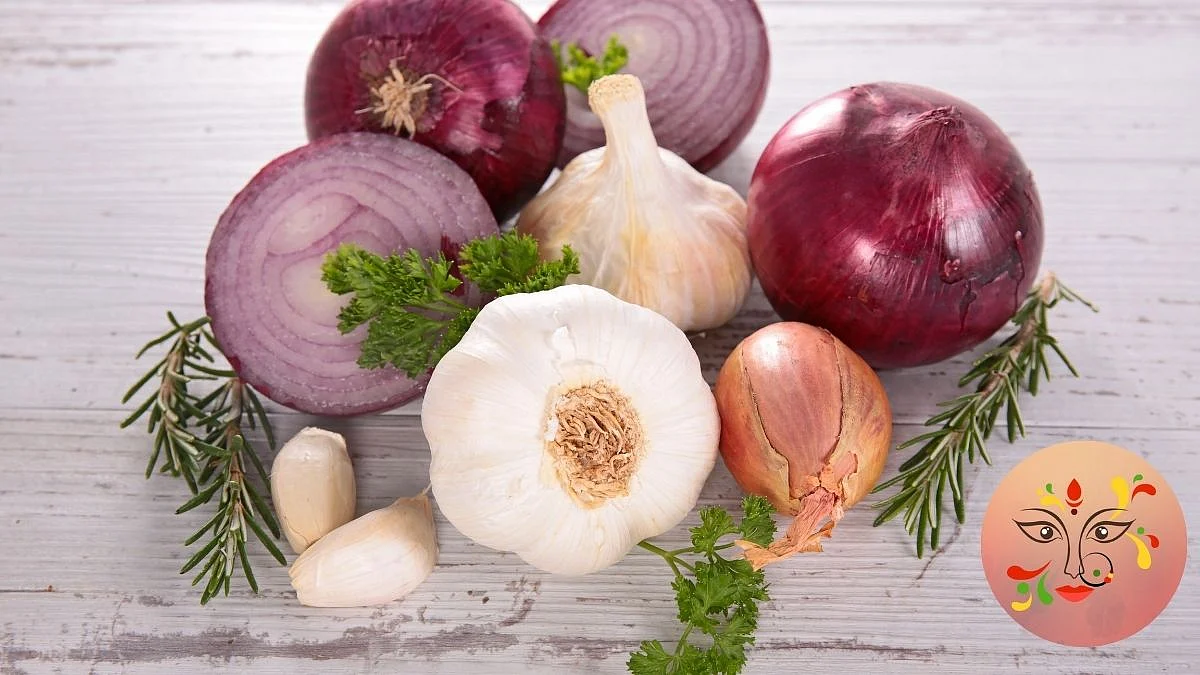
Every year, millions of Indians partake in the nine-day festival of Shardiya Navratri, honoring the nine avatars of Goddess Durga. This year, the celebration commenced on October 11, 2026. While followers abstain from meat, alcohol, and other vices during this auspicious time, another restriction stands out - the avoidance of onions and garlic.
This article delves into the religious and dietary reasons behind this custom. During Navratri, food is typically categorized as sattvic, rajasic, or tamasic, each associated with distinct qualities and impacts on the mind and body. Sattvic foods, like fruits, milk, and nuts, are thought to foster purity, mental clarity, and calmness.
Devotees often adopt a sattvic diet during Navratri to enhance their spiritual practices. Conversely, onions and garlic are generally considered rajasic or tamasic, with rajasic foods stimulating activity and tamasic foods inducing heaviness or lethargy. The avoidance of these vegetables is rooted in traditional Hindu scriptures and dietary principles, which emphasize the influence of food on mental and spiritual states.
Seasonal factors also contribute to this practice. As Navratri coincides with the transition from autumn to winter, immunity levels may dip. Consuming light, sattvic foods during this period can help maintain digestive health and prevent discomfort like bloating. Wishing everyone a joyous Navratri, may Goddess Durga's blessings bring you strength, prosperity, and peace.
Written by urgent.news from Free Press Journal's reporting — not their text. Machine-written — may contain errors; check the original before relying on it.