MPs, CSOs push for dedicated budget line for malaria
Some members of Parliament's Health Committee have pledged to intensify advocacy for a dedicated malaria budget line to help deal with the issue of malaria elimination across the country.
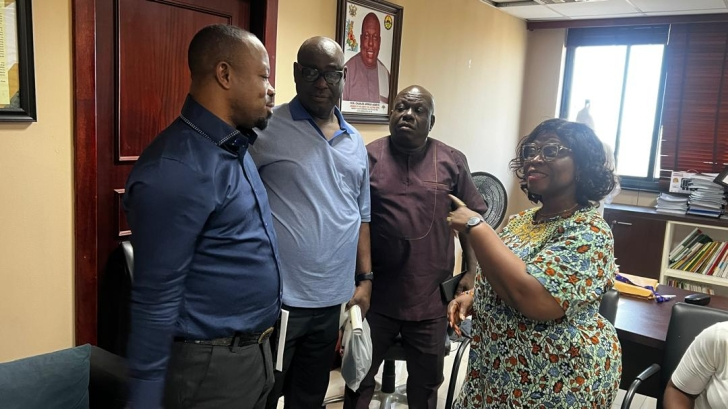
Members of Ghana's Parliament's Health Committee have pledged to advocate for a dedicated budget line for malaria, in a bid to combat the disease's prevalence across the nation. This push arose from a confidential meeting between the MPs and Hope for Future Generations (HFFG), a non-governmental organization committed to malaria and neglected tropical disease eradication.
The meeting included four MPs from different regions: Dr Thomas Winsum Anabah, MP for Garu in the Upper East Region; Emmanuel Kwaku Boam, MP for Pru East; Charles Akwasi Agbeve, MP for Agotime-Ziope; and Alexander Roosevelt Hottordze, MP for Central Tongu.
The MPs expressed concern over monitoring and funding lapses in indoor residual spraying (IRS) contracts, arguing that many malaria-related deaths were not due to untreatable illness but rather delays in reaching health facilities. These delays were, in turn, compounded by poverty and limited public education on early symptoms. A key recommendation was for malaria to be allocated a separate line item in the District Assembly Common Fund or the National Health Insurance Scheme formula, similar to the existing allocation for persons with disabilities.
This move would ensure consistent resources for malaria interventions, rather than the current scattershot distribution.
During the meeting, committee members recounted instances where IRS funding had grown from GHc88 million to GHc250 million, yet mosquito breeding grounds persisted in areas where spraying contractors had been paid. These discrepancies highlighted the disconnect between funding authorizations and on-the-ground activities. The MPs also shared personal stories, including the tragic loss of a child to cerebral malaria due to delayed diagnosis, which spurred him to fund a GHc20,000 malaria awareness campaign.
The MPs emphasized the need for local ownership in spraying programs, suggesting that assembly members and traditional authorities should directly participate in scheduling and verifying spraying activities to improve accountability.
Concerns were raised about delays in budget approval and disbursement, noting that commitment authorizations often stall at the Ministry of Finance level before funds can be released. The MPs called for simplifying this process to prevent approved programs from being starved of cash even after parliamentary approval. Looking ahead, as Ghana prepares its Global Fund grant application for the 2027–2029 cycle, the MPs committed to advocating for adequate counterpart funding and streamlined processes for procuring malaria commodities.
The Global Fund's Executive Director, Cecilia Senoo, pledged continued support for Ghana's malaria elimination program under the Ministry of Health and Ghana Health Service's leadership. She urged the government to meet its co-financing obligations and increase domestic health resources. HFFG's Programme Manager, Gladys Damalie, stressed the importance of sustained financing for malaria, given its ongoing impact as a leading cause of morbidity and mortality, particularly among children under five and pregnant women.
Rewritten by urgent.news; may contain errors — check the original.
Source: myjoyonline.com