Most "AI Agents" Are Just Flowcharts With Good Marketing
Discover the real enterprise use cases for autonomous AI agents, from supply chain and audit prep to bounded financial procurement and governed analytics.
Few months ago, I examined vendor pitches and internal project ideas touted as "smart AI agents." After examining the system logs, I observed the identical basic setup in almost every case: an AI writing text, which is then sent to an API. The term "AI agent" has become overused in the tech industry. However, when tested on real business data and cumbersome company systems, these simple scripts fail quickly.
Real benefits from AI agents don't stem from a chat interface that writes a polished email or generates a SQL query. Instead, the actual value lies in completing a job, verifying the outcome, adhering to safety limits, and executing complex checks without constant human supervision.
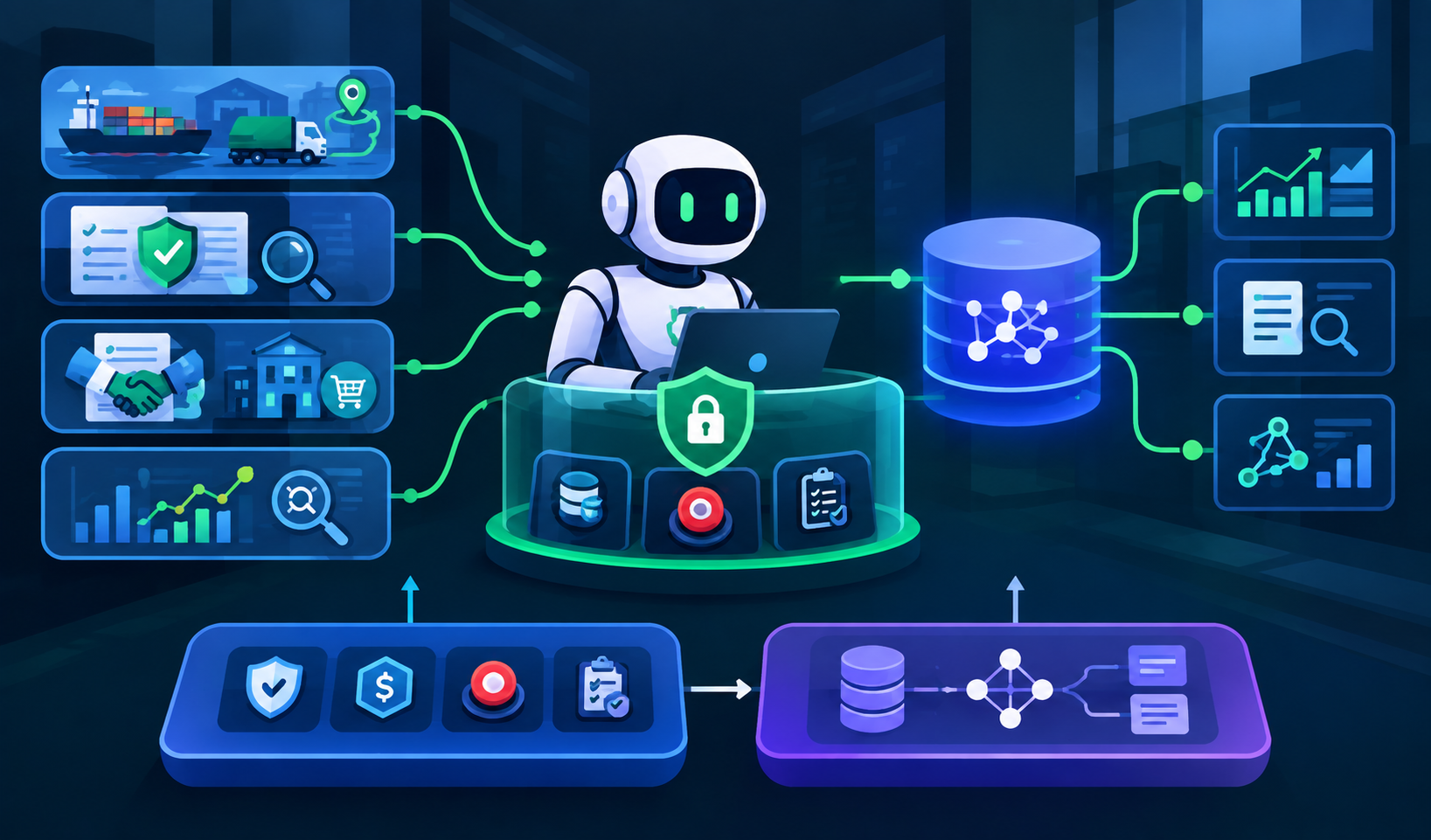
In the practical, unexciting areas of business, AI agents are making a tangible difference today. Here are four specific business uses that are driving revenue and cost savings:
1. Vendor Communication and Price Quotes:
A well-designed AI agent doesn't just send a basic email to a vendor. It ensures the vendor's response includes all necessary information, tracks the correspondence for records, and confirms that the deal is finalized. The true value lies in assuring the vendor actually delivers what was promised.
2. Audit Preparation and Rule Checking:
Finding missing paperwork before an audit can be a time-consuming task for human workers. AI agents excel at tracing transactions across multiple databases, identifying discrepancies, and flagging issues long before auditors request them. This proactive approach saves time and resources in regulatory compliance.
3. Analyzing Changes in Business Metrics:
When a manager inquires about the cause of a sales downturn in Europe, the answer isn't a simple database query. A real AI agent delves into sales, shipping, and spending data, follows the trail of information, identifies the root cause, and provides a clear explanation. This investigative capability is invaluable for strategic decision-making.
4. Mitigating Shipping Delays:
In the logistics industry, AI agents continuously monitor inventory and delivery systems. When a port or supplier faces delays, the agent takes immediate action. It finds alternative routes, submits transfer orders, and updates the system before a human even realizes there's a problem. This real-time responsiveness minimizes disruptions and maintains customer satisfaction.
The key to unlocking real business value from AI agents lies in adhering to four fundamental engineering principles, rather than relying solely on the AI's intelligence:
1. Hard Spend Limits: Engineers must enforce strict financial boundaries to prevent AI agents from making unauthorized transactions. This ensures the system can operate autonomously without risking company finances.
2. Instant Kill Switches: An emergency off-switch is crucial to halt the AI agent if it encounters errors, loops indefinitely, or behaves unexpectedly. This safety mechanism maintains control over the system at all times.
3. Independent Audit Logs: The system should maintain a separate, server-generated record of all AI agent activities. These logs provide an unbiased trail of the agent's actions, ensuring transparency and accountability.
4. Clean Data Pipeline: AI agents require high-quality, well-structured data to function effectively. To achieve this, a clean business rules layer must be established beneath the AI. This layer defines clear metrics, standardizes data connections, organizes data into separate areas, and ensures the AI agent uses accurate and relevant information.
Written by urgent.news from HackerNoon's reporting — not their text. Machine-written — may contain errors; check the original before relying on it.