Morning Bid: It takes two to make a ceasefire
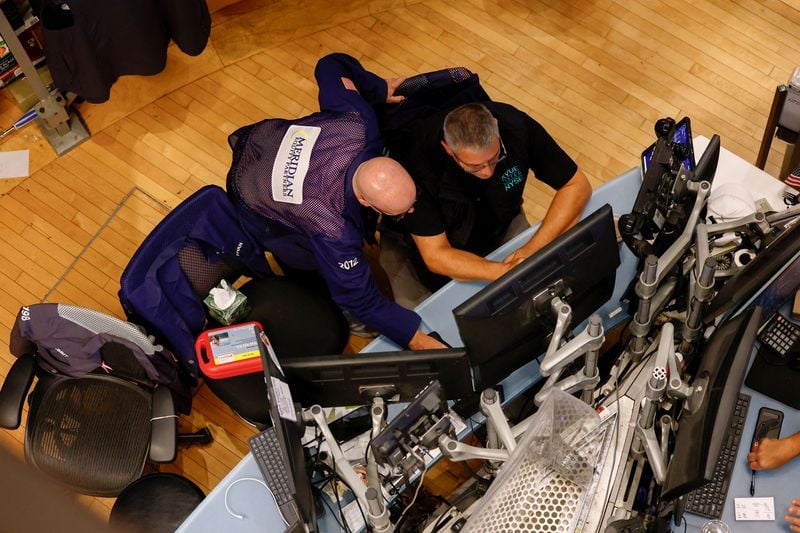
This morning, the New York Stock Exchange saw mixed trading conditions as the markets grappled with confusion over a potential ceasefire between Ukraine and Russia. US President Donald Trump announced an unexpected "ceasefire" between the two nations, despite Russia not confirming the agreement. Analysts believed Trump hoped to create a deal by merely announcing it, without a confirmed agreement, especially since Russia continued striking Ukraine's power infrastructure. Ukraine had been proposing a ceasefire for months, but the Kremlin never showed interest.
Ukraine's successful attacks on Yandex data centers in Russia had caused significant disruption to Russian internet, apps, guidance, and banking services. The number of Russian bots online had also decreased. Trump's proposal included Russia increasing diesel exports to the US and global markets. However, this seemed unlikely as Ukraine was running low on diesel for its own needs, and the US is the world's largest diesel exporter.
The promise of 300,000 tons of diesel (not even a single day's use) didn't seem significant enough to change the United States' import policies.
As a result, Brent crude prices dropped nearly 2% to around $103.00 a barrel in volatile trading. The market had thin trading volumes due to a holiday in Japan and a partial holiday for US markets. Asian shares mostly declined, while US and European stock futures edged higher. The US dollar weakened slightly, while gold prices rose marginally. The earnings season began with major US banks reporting from Tuesday onwards, generating high expectations due to AI-related profits.
Around 70% of S&P 500 companies reported earnings this month, with the majority of hyperscalers announcing on the final week of October. Analysts forecasted a 30% EPS growth, with AI infrastructure spending accounting for over 50% of that growth, while hyperscaler capex was expected to increase by 116% year-over-year. Analysts anticipated lesser benefits from companies' equity stakes in the quarter, although $69 billion in tariff refunds from Q3 should provide a boost to earnings.
The primary data challenge was the US Consumer Price Index (CPI) release on Wednesday, which could be influenced by a hotter headline of 3.7% or a cooler core of 2.5%. Any upside surprise might jolt markets, as futures had already lowered the probability of a rate hike this month to just 18%. Key developments that could affect markets on Monday included appearances by the Riksbank's First Deputy Governor, Aino Bunge, and the Federal Reserve's Bank of Cleveland President, Beth Hammack.
Written by urgent.news from Investing.com's reporting — not their text. Machine-written — may contain errors; check the original before relying on it.