Modernizing a classic: The evolution of Agatha Christie onscreen
The Queen of Crime has cast a long shadow over the world of entertainment for decades.
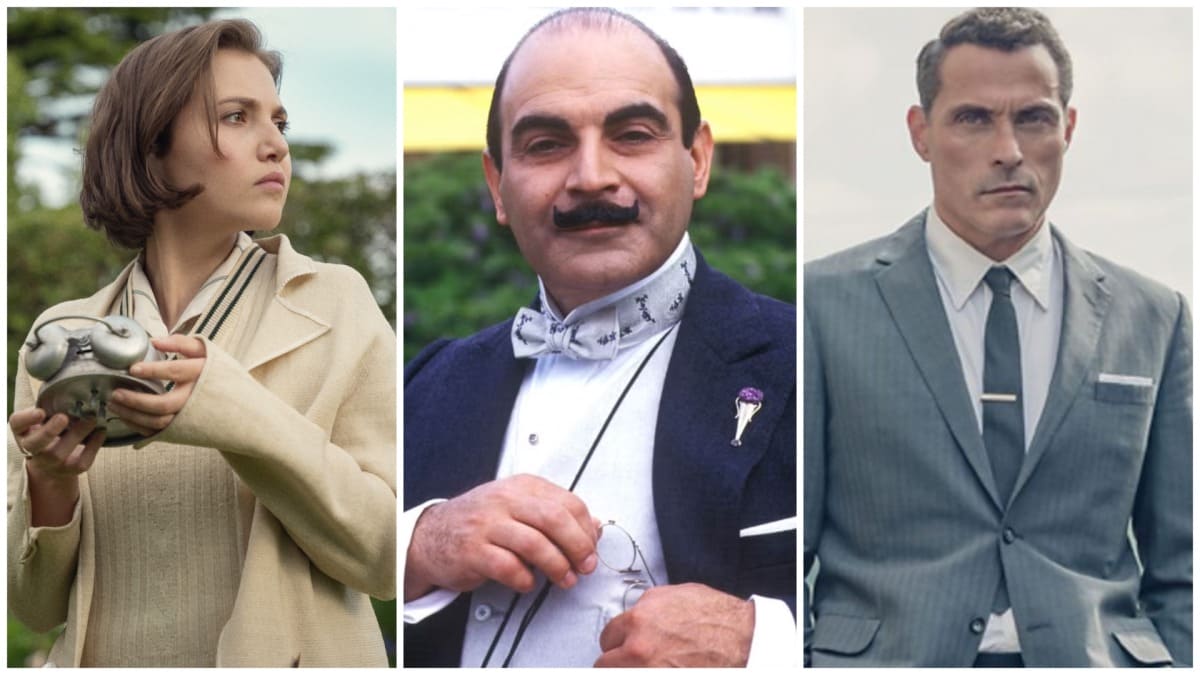
Agatha Christie, a British literary icon, was an extraordinarily prolific writer, penning 66 novels, 154 short stories, and an additional 20 plays. Her works have sold approximately 2 billion copies worldwide and have been translated into over 100 languages. However, Christie's influence extends beyond the realm of books, as she has been adapted into countless cinematic, television, stage, radio, and video game projects.
Among the many adaptations, three stand out. In 1937, Christie herself wrote a TV movie adaptation of The Wasp's Nest, which was never recorded and is now considered lost media. In 1947, a radio play called Three Blind Mice was developed into a BBC TV short and later an episode of the CBS anthology series Sure As Fate, eventually becoming the stage play The Mousetrap, which remains running to this day in London's West End.
Witness For The Prosecution, a 1957 film adaptation directed by Billy Wilder and starring Tyrone Power, Marlene Dietrich, Charles Laughton, and Elsa Lanchester, earned six Oscar nominations and is regarded as one of the best Christie adaptations.
In 1980, the first Christie adaptation after her passing was Why Didn't They Ask Evans?, a three-hour miniseries that marked the return of her works to British television. The adaptation received critical acclaim and influenced subsequent adaptations such as Miss Marple. Miss Marple, a beloved character created by Christie, has been portrayed by numerous actresses over the years, with Joan Hickson widely considered the best portrayal.
Hickson starred in the BBC's Miss Marple, which aired for eight years and adapted all 12 of Christie's original Marple stories.
Rewritten by urgent.news; may contain errors — check the original.
Source: avclub.com