Mexico’s mistletoe crisis: Is el muérdago the kiss of death?
El muérdago, aka "Mexican mistletoe," is threatening to kill innumerable trees in the Guadalajara Metro Area, writes John Pint. But residents are determined to save them. The post Mexico’s mistletoe crisis: Is el muérdago the kiss of death? appeared first on Mexico News Daily
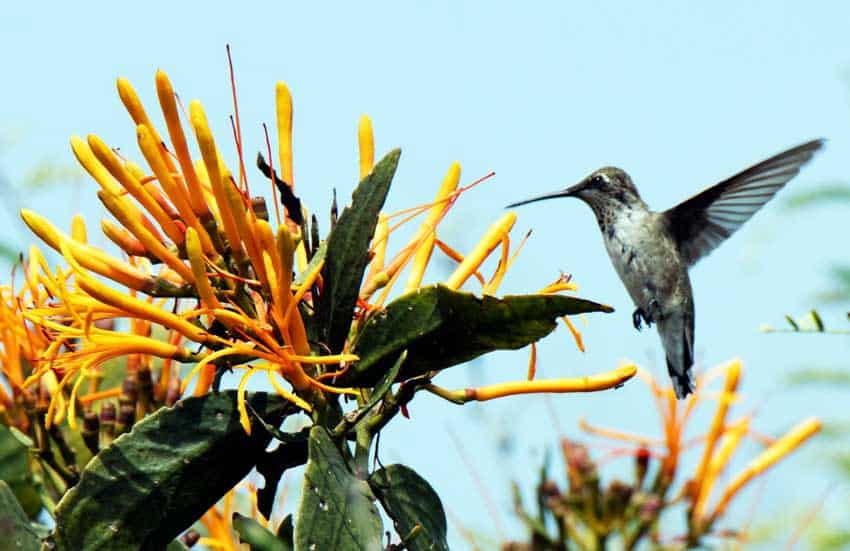
In 2013, a group of volunteers in Guadalajara's city park began transforming it into an arboreal school. Among the trees they planted, they noticed an unexpected adversary: the seeds of Psittacanthus calyculatus, commonly known as Mexican mistletoe or el muérdago. This sticky-seeded plant quickly became a nuisance as volunteers had to spend Saturdays cleaning the branches, removing up to two kilograms of seeds at a time.
The mistletoe is not unique to Guadalajara; it is widespread in western Mexico, posing a threat to the region's forests. Mexican mistletoe's success as a parasite stems from its sticky viscin coating, which helps the seed attach to tree branches and allows it to penetrate the tree's bark. The seed then grows a penetration peg that drills into the tree, connecting its water supply to the mistletoe.
If the host tree is in a forest with natural defenses, it may survive, but in urban or rural areas, the mistletoe can slowly kill the tree. In 2026, Mexico's National Forestry Commission recognized mistletoe and other parasitic plants as the country's most significant forest pest. In response, communities in Jalisco are forming anti-mistletoe groups to tackle the issue, but the volunteers face an uphill battle against a persistent and adaptable foe.
Written by urgent.news from Mexico News Daily's reporting — not their text. Machine-written — may contain errors; check the original before relying on it.