Mekong region turns rainy season into tourism draw
PHNOM PENH, Oct 12 — Tourists once stayed away during rainy seasons, but the Mekong region intends to woo them by...
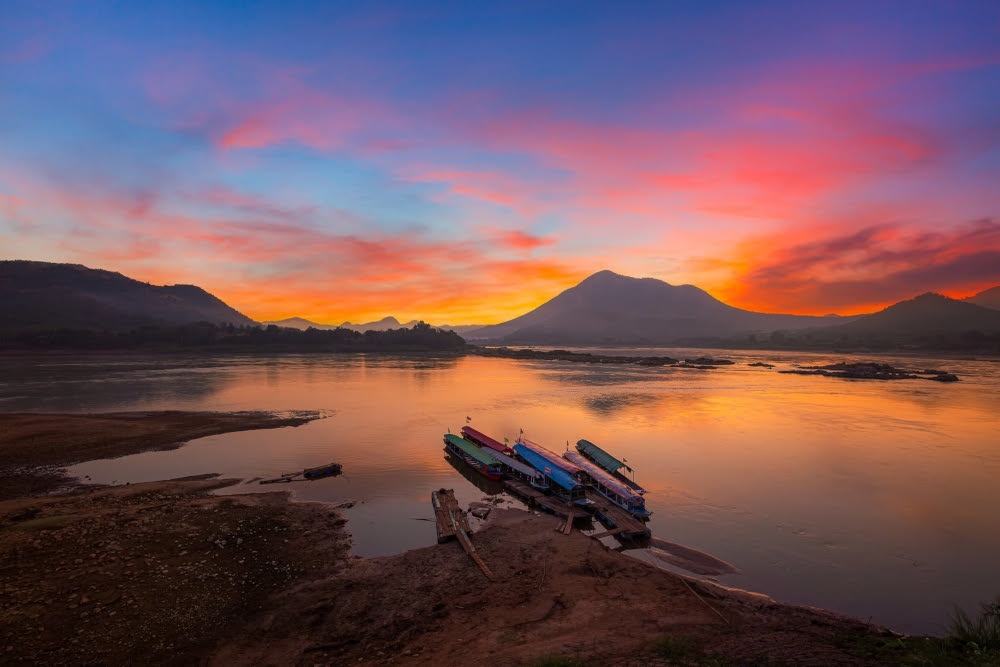
Amid the Mekong region's rainy season, governments are reimagining tourism as a major draw, showcasing the area's natural beauty and cultural treasures. In Cambodia, Minister Huot Hak praised the wet season for revealing the country's "most authentic and vibrant beauty," with flourishing nature, fresh greenery, clean air, and magnificent landscapes.
The monsoon season transforms paddy fields, rivers, and ponds, creating ideal conditions for rafting, picnicking, and exploring. Coastal areas become vibrant hubs for cultural and traditional festivals.
Vietnam is also embracing the rainy season by promoting year-round tourism that blends night-time entertainment, festivals, and the spiritual appeal of mountain and forest landscapes. Quang Ninh province and Da Nang are showcasing urban attractions, resorts, and cultural experiences when swimming conditions are not feasible. Hanoi's tourism industry is emphasizing alternative activities like museum visits, heritage tours, culinary experiences, and wellness retreats, steering tourists away from crowded beach destinations.
Economically savvy travelers will appreciate the cost savings during the rainy season, with travel prices dropping 30 to 50 percent. In Hoi An, a boutique hotel in February costs US$90 (RM368), but reduces to US$35 in October. Halong Bay cruises are also 40 percent cheaper during the wet season. Myanma authorities are encouraging tourism during the monsoon, capitalizing on the region's pristine landscapes. Hpa-an, the capital of Kayin State, saw a surge in domestic visitors flocking to admire the picturesque surroundings.
Tourism preferences are shifting towards environmentally conscious, budget-friendly, and adventurous experiences, led by Gen Z and millennials. Modern-day tourism is increasingly tied to sustainability, cultural preservation, and rural community development. The sector contributes significantly to local economies, generating income for craft makers, guesthouse owners, guides, and traditional performers, while also supporting jobs and growth.
However, it is crucial to balance this growth with environmental protection, as tourism currently accounts for 7.3 percent of global greenhouse gas emissions.
Written by urgent.news from Malay Mail's reporting — not their text. Machine-written — may contain errors; check the original before relying on it.