Malaysian PM Anwar’s new budget tackles graft, but critics ask: is it too late?
With his reformist credentials battered by coalition compromises and a looming general election, Malaysian Prime Minister Anwar Ibrahim has used his 2027 budget to launch a fresh wave of anti-corruption measures. But as his government nears its four-year mark, analysts warn that restoring public confidence will require more than additional funding and tighter legislative oversight. The measures,…
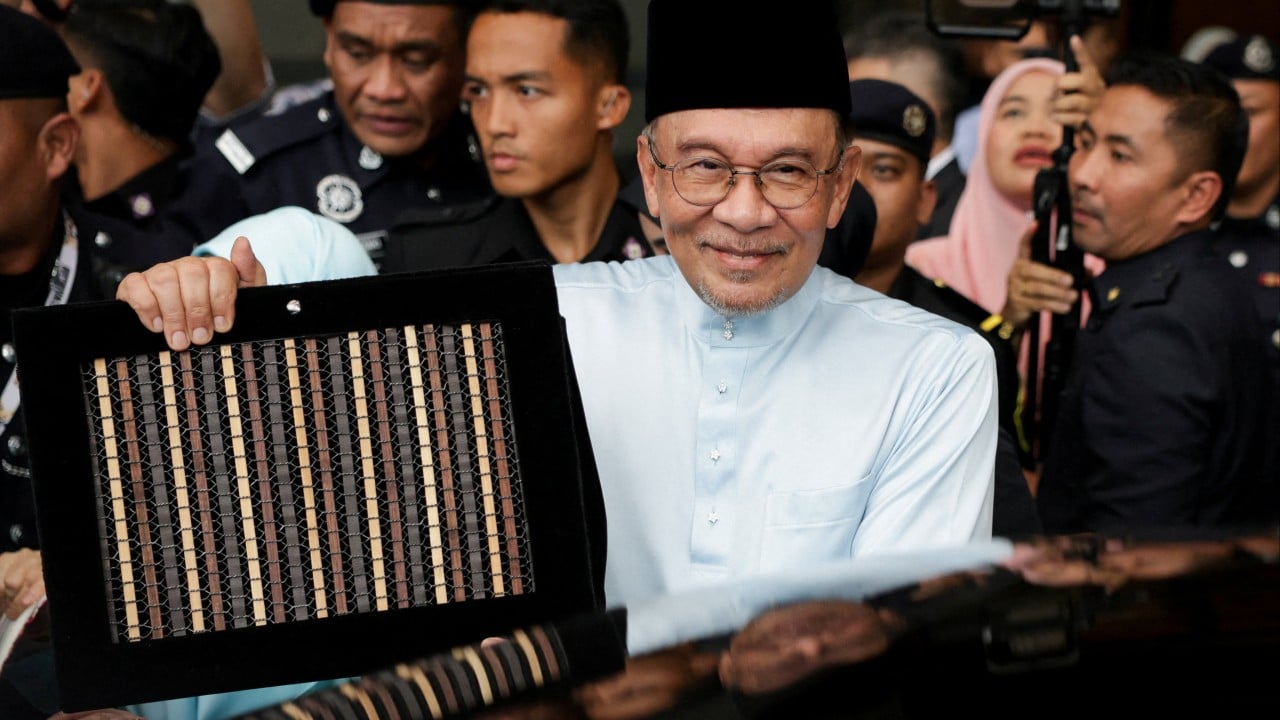
Malaysian Prime Minister Anwar Ibrahim has unveiled a 2027 budget that focuses on tackling corruption, but critics question whether the measures are sufficient to restore public confidence. The budget allocates 1.1 billion ringgit (US$269 million) to strengthen enforcement agencies, proposes a bill to tighten oversight of government-owned entities, and calls for greater transparency in public procurement.
However, concerns remain over the independence of the Malaysian Anti-Corruption Commission (MACC), and promised reforms like separating the roles of the attorney general and public prosecutor remain incomplete. Anwar emphasized that the most difficult reforms limit their own powers. The government is also drafting a Government-Owned Entities Bill and studying the establishment of a Malaysian Law Reform Commission, though no timeline has been announced.
Despite these measures, watchdogs argue that only political will and genuine advancement of institutional accountability can address deeper public concerns.
Written by urgent.news from South China Morning Post's reporting — not their text. Machine-written — may contain errors; check the original before relying on it.