Make Big Brother Bad for Big Business
Localities should ban Flock and its competitors until regulation better protects us from mass surveillance.
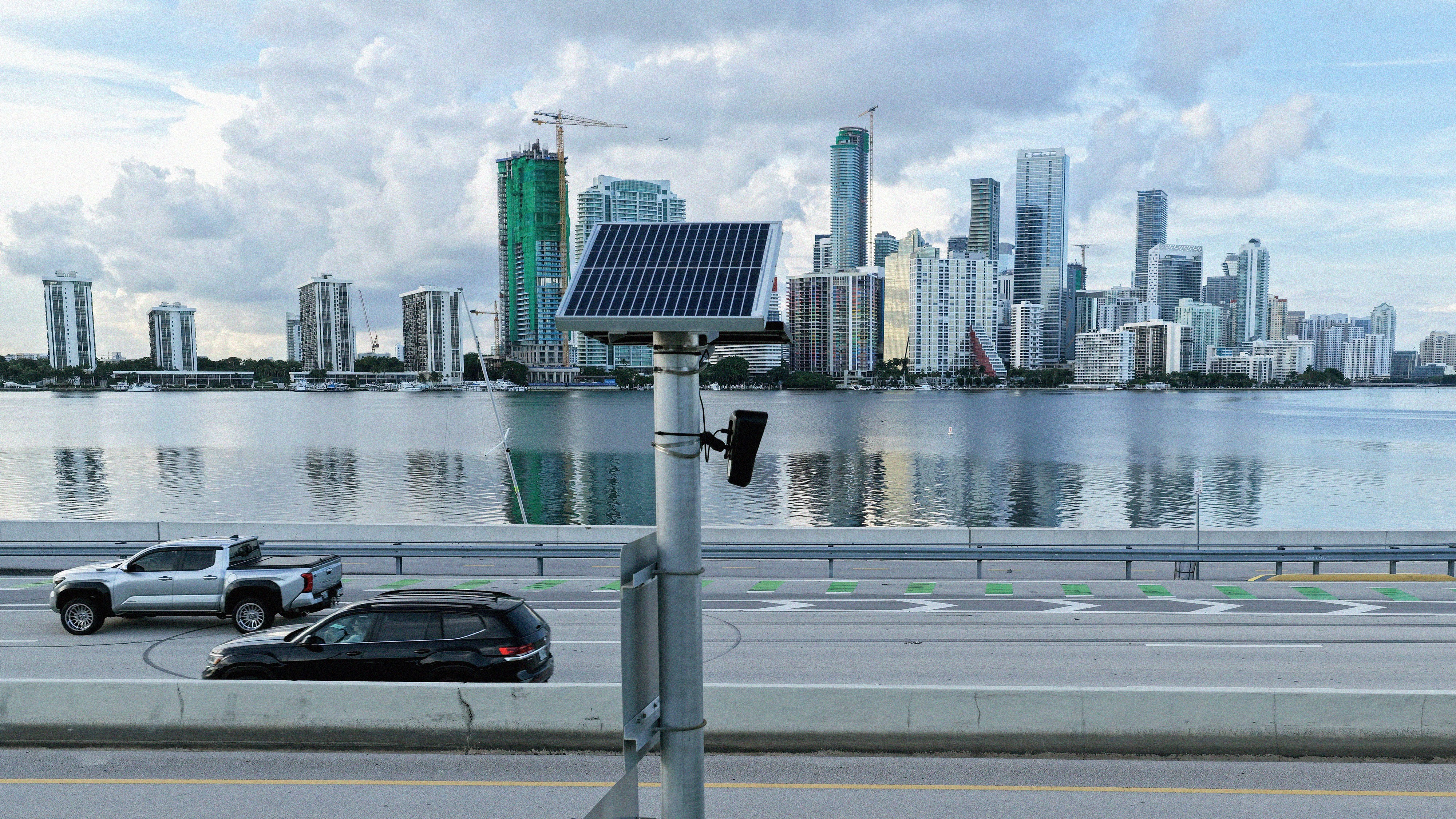
Garrett Langley, CEO of Flock Safety, warns about the surveillance industry's dangers. His company operates over 120,000 roadside cameras across the U.S. In August, Langley defended his products while revealing that they caught "a ton" of "bad cops." However, many bad cops likely went uncaught as only a fraction of clients used the abuse identification tool.
Flock's competitors use even more invasive tools like facial recognition. While Langley believes the company's safeguards will protect customers, his competitors "run more reckless." The industry's approach is alarming even to its biggest supporters. The private surveillance industry has been on my radar for over a decade. In 2014, I warned in The Atlantic about the impending mass surveillance of all car trips, noting the deployment of license-plate readers on America's public roads.
My concerns have been validated as the use of these cameras is now prevalent across the continental United States. Recent polls show that Americans are divided on this technology, with more opposing its use than supporting it. Politicians from both parties are criticizing these cameras, which can record detailed images of vehicles, not just license plates.
Anti-Flock activists report that many clients have canceled their contracts or deactivated cameras in recent months. Despite this grassroots opposition, most of Flock's network and its competitors' cameras remain operational. Pro-surveillance advocates argue that there is no expectation of privacy on roads and that these cameras are essential for catching criminals.
They urge the use of safeguards and regulations to address potential abuses. However, as the technology becomes ubiquitous, Americans should work to ban the mass surveillance of public roads in jurisdictions with supportive elected officials until strong protections are in place. The pro-surveillance coalition has significant political influence and employs skilled lobbyists.
The only way to hasten privacy safeguards is if it is necessary to sustain the surveillance business. While ALPRs can help catch some criminals, their effectiveness will decline as knowledge of the technology and evasion methods spread. The costs to law-abiding citizens in terms of lost privacy will persist, potentially increasing.
Written by urgent.news from The Atlantic's reporting — not their text. Machine-written — may contain errors; check the original before relying on it.