Loke announces Khazanah to restore KL Railway Station and KTMB HQ, hopes to see end of asset sale claims
PUTRAJAYA, Oct 12 — The government’s move to preserve and restore the Kuala Lumpur Railway Station and the K...
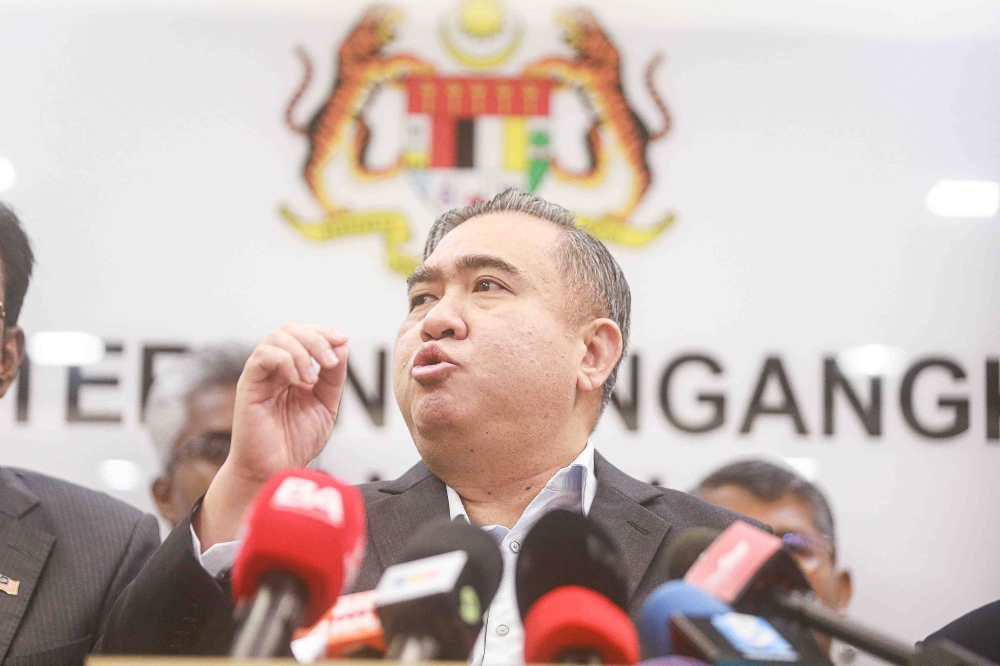
The Malaysian government's plan to preserve and restore the iconic Kuala Lumpur Railway Station and the Keretapi Tanah Melayu Berhad headquarters aims to dispel allegations that national heritage assets are being sold to foreign buyers, Transport Minister Anthony Loke declared on October 12. The partnership, led by investment firm Khazanah Nasional and the Railway Assets Corporation, will safeguard the historical integrity of these structures while converting them into vibrant cultural destinations for both tourists and commuters.
Loke addressed a press conference to refute rumors circulating on social media about the potential privatization or sale of the KTMB headquarters to a Chinese institution, emphasizing that the century-old building remains wholly government-owned and holds immense cultural and historical significance for Malaysians. The project draws inspiration from Khazanah's proven success in urban regeneration, similar to the ongoing revitalization of the nearby Sultan Abdul Samad Building in the heart of Kuala Lumpur.
Loke envisions these colonial-era transport hubs remaining economically viable, functional, and culturally active rather than becoming static historical relics. The Kuala Lumpur Railway Station, opened in 1910, is one of the city's most photographed landmarks, renowned for its Indo-Saracenic architectural style that combines Mughal, Moorish, and Western elements.
As one of the capital's primary passenger hubs, the station continues to serve commuters on the KTM Komuter and Electric Train Service networks. The preservation plan aligns with broader national rail improvements, including track renewal and station upgrades currently underway in Seremban. In his recent Budget 2027 speech, Prime Minister Anwar Ibrahim announced that the Kuala Lumpur Railway Station, the KTMB headquarters, and Menara Dayabumi would be the next major targets for downtown revitalization, following the recent success of the Sultan Abdul Samad Building, which has already drawn half a million visitors from local and international visitors alike.
Written by urgent.news from Malay Mail's reporting — not their text. Machine-written — may contain errors; check the original before relying on it.
This story
This is one outlet's version. Read the fullest account.