Las claves de la decisión del Supremo: ¿quién puede votar en el 29-N? ¿Es posible cumplir con la orden del alto tribunal antes de las elecciones?
El alto tribunal prima el interés general sobre el derecho de voto y señala a la Administración por no haber cumplido con sus órdenes
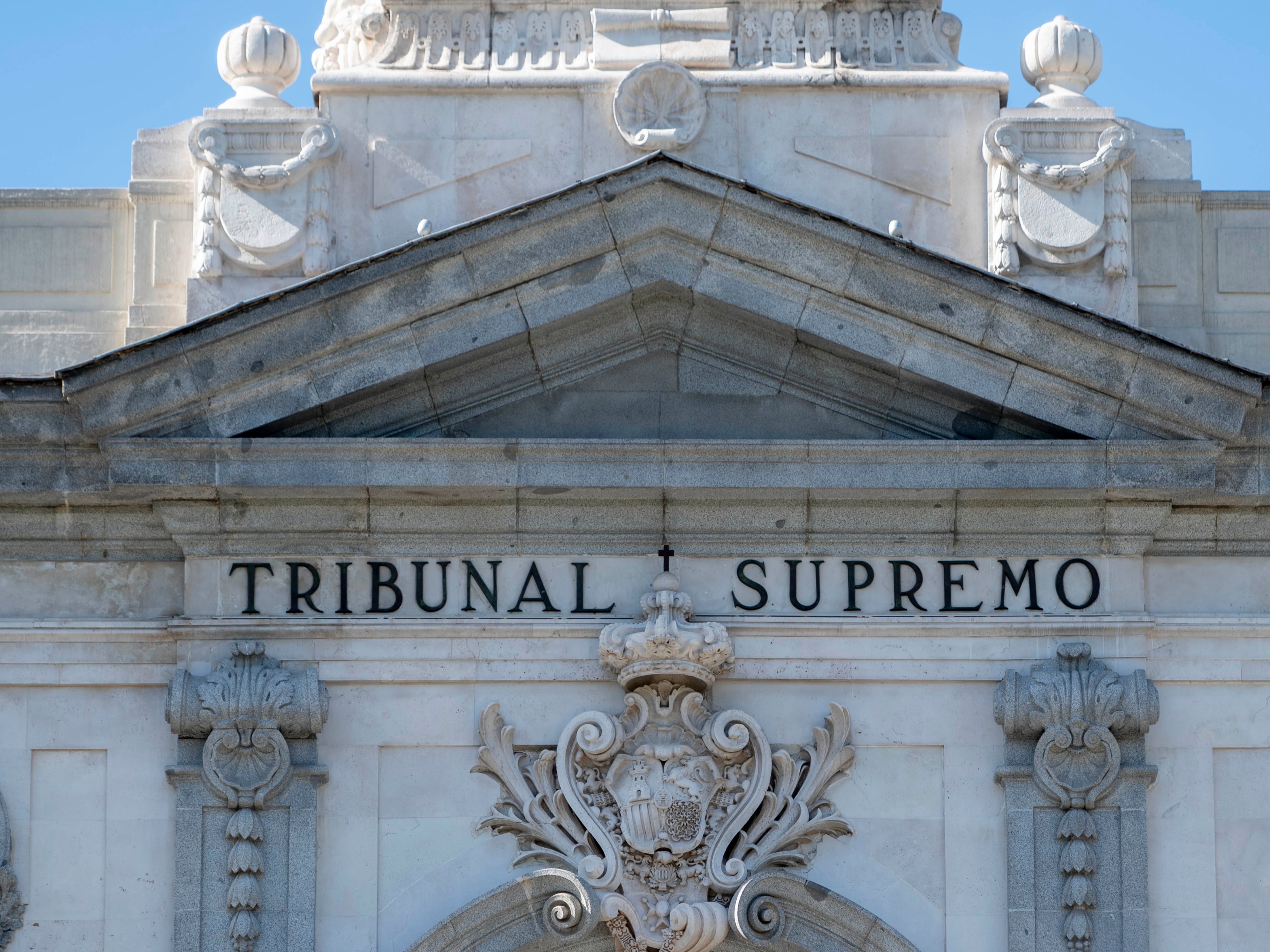
On November 29, the Supreme Court decided to maintain the suspension of voting rights for naturalized citizens, known as the "law of the grandchildren," for the general elections. Magistrate Alicia Millán, one of the six judges involved, opposed the decision and filed a separate vote expressing her disagreement. Millán argues that the court should have considered the State's request to allow voting for the children and grandchildren of exiled individuals who have obtained Spanish nationality through the Law of Democratic Memory, as there was not enough time to review the foreign resident registry before the elections.
She believes that the early electoral call "introduced a new and decisive element" into the judicial process, as the general election call makes the potential "injury to the voting right of those affected" irreversible. Millán defends that, in such circumstances, "preserving the effective exercise of the fundamental political participation right should take precedence over maintaining a provisional measure based on a legal dispute still pending final resolution."
Written by urgent.news from El Pais's reporting — not their text. Machine-written — may contain errors; check the original before relying on it.
This story
This is one outlet's version. Read the fullest account.