Kinzhal is 90% identical to Iskander-M: Ukraine’s intelligence identifies 58 companies in production chain
Russia is developing a modified version of the Kinzhal missile, equipped with a warhead that strikes targets with fragments and a blast wave.
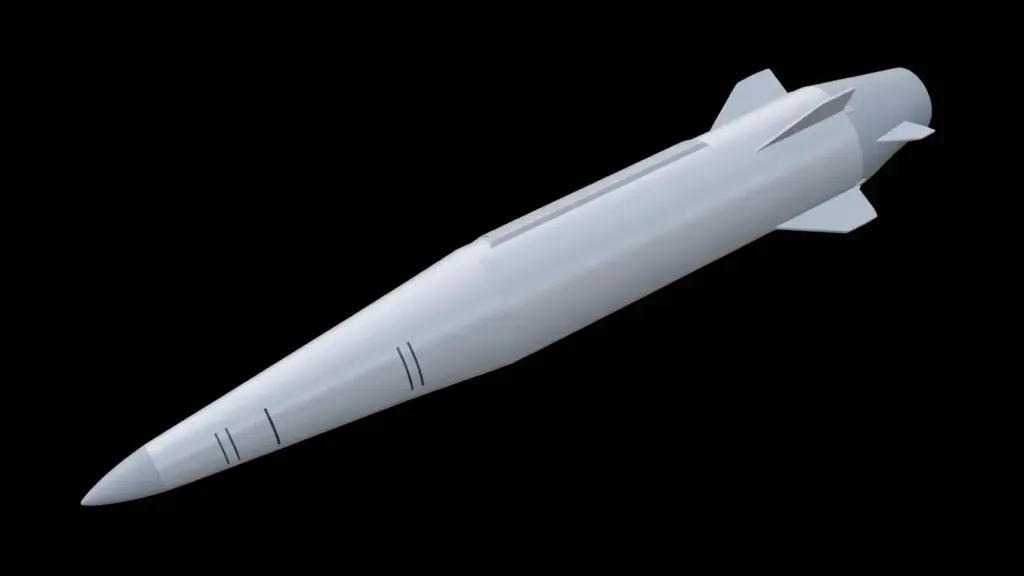
Ukraine’s Defense Intelligence disclosed details about Russia’s Kinzhal air-launched ballistic missile and the companies involved in its production on October 12. The missile has been employed to hit targets in Ukraine since the commencement of the full-scale invasion. Among the 58 companies in Russia’s Kinzhal production chain, 22 are not subject to sanctions, according to the intelligence agency.
The 9-S-7760 missile, also known as the Kh-47M2 Kinzhal, is solid fuel-powered and single-stage, meaning it does not have multiple stages that separate during flight. Approximately 90% of its components are identical to those in the 9M723 ballistic missile of the Iskander-M system, the statement revealed. The Kinzhal is armed with a radar homing seeker, an active jamming station, and a decoy deployment system.
The homing seeker assists the missile in determining its target's direction, while decoys enhance its ability to evade interception by air defense systems. It can carry either a penetrating high-explosive warhead or a nuclear warhead. Russia is also developing a version equipped with a high-explosive fragmentation warhead that detonates through an explosion and spreads fragments.
The agency suspects this development might be due to accuracy issues with the missile. In 2026, Russia decreased its state procurement order for Kinzhal missiles, reallocating some production resources, components, and raw materials to manufacture Iskander-M missiles. Additionally, the limited number of MiG-31I and MiG-31K aircraft utilized to launch Kinzhal missiles is another contributing factor.
Although Kinzhal missiles are highly fast, they can be intercepted using US-made Patriot surface-to-air missile systems, particularly the PAC-3 interceptors designed to destroy ballistic targets and suitable against threats like Kinzhal and Zircon, reported Ukraine’s Ministry of Defense. Ukraine is requesting additional Patriot interceptor missiles to defend against Russian ballistic attacks during the winter.
Most of the approximately 1,000 missiles contracted by Ukraine are not anticipated to arrive for several years, prompting the nation to seek assistance from its allies to utilize missiles from their existing stockpiles, as reported by Defense News on October 12, 2026. Sanctions loopholes permit Russia to acquire foreign components for Kinzhal missiles, including the use of US-made Texas Instruments processors in a newer version of the missile, as stated by Ukrainian presidential commissioner for sanctions policy Vladyslav Vlasiuk in September.
The EU Council imposed sanctions on 1,569 individuals and entities associated with Russia’s military-industrial complex, comprising 826 Russian companies and 743 company CEOs, on October 12.
Written by urgent.news from Euromaidan Press's reporting — not their text. Machine-written — may contain errors; check the original before relying on it.