KEFRI keen to promote commercial sandalwood, mpingo farming
The Kenya Forestry Research Institute (KEFRI) has stepped up efforts to promote commercial farming of Mpingo and sandalwood trees. The institute says the initiative targeting farmers forms parts of its mission to conserve the endangered tree species while tapping into their high commercial value to boost household incomes and support economic growth. The initiative seeks […] The post KEFRI keen…
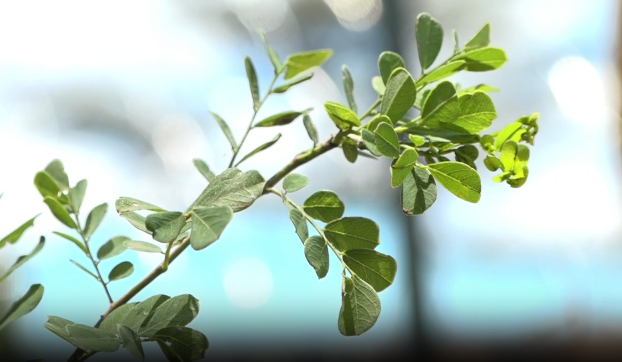
The Kenya Forestry Research Institute (KEFRI) has ramped up initiatives to encourage commercial farming of Mpingo and sandalwood trees. KEFRI believes these efforts will aid in conserving endangered tree species, while tapping into their high commercial value. This initiative aims to offset the decline of naturally growing Mpingo and sandalwood trees, which have been overexploited due to illegal harvesting, smuggling, and unsustainable exploitation.
KEFRI forester Samora Salim explained that they are promoting Mpingo tree cultivation, known for its use in making musical instruments and cultural items such as *rungus*. This valuable hardwood, sought after for its durability and distinctive qualities, is especially popular in the production of high-quality woodwind instruments.
Salim noted that Mpingo faced a threat of near extinction in some areas, prompting KEFRI's encouragement for its cultivation to ensure its availability for future generations and provide farmers with an economic opportunity.
In addition, KEFRI is promoting the cultivation of sandalwood, another valuable tree species with a market estimated at Ksh 25 billion. Sandalwood is prized for its aromatic heartwood and essential oils used in perfumes and fragrance products. However, its high market value has made it a target of illegal harvesting and smuggling, threatening its natural populations.
KEFRI plans to encourage farmers to plant sandalwood on their farms, creating a more sustainable supply of the valuable tree and providing farmers with an additional source of income.
KEFRI Director Simon Choge urged farmers in Baringo County and the Kerio Valley to consider incorporating Mpingo into their farming systems. He highlighted that a mature Mpingo tree could retail for about Ksh 10,000, indicating the potential returns farmers could earn from investing in the species. Choge encouraged farmers to benefit from the economic value of Mpingo while contributing to conservation efforts, as the returns would depend on factors like the growth period, wood quality, market prices, and access to legitimate buyers.
Through this initiative, KEFRI aims to shift towards the deliberate cultivation of valuable tree species, with farmers playing a central role in conservation and sustainable production. By promoting the cultivation of Mpingo and sandalwood, KEFRI hopes to reduce pressure on wild populations while opening up new income-generating opportunities.
This approach could contribute to the development of tree-based enterprises along the value chain, including seedling production, tree establishment, management, harvesting, and marketing of legally sourced wood and other products.
Rewritten by urgent.news; may contain errors — check the original.
Source: kbc.co.ke