Jeff Bezos says he gets why socialism is surging—but politicians blaming ‘greedy landlords’ have housing all wrong
A record 43% of Americans now view socialism favorably. The Amazon founder blames government policy for the housing crunch and holds up Austin, where rents have fallen, as proof that building more works.
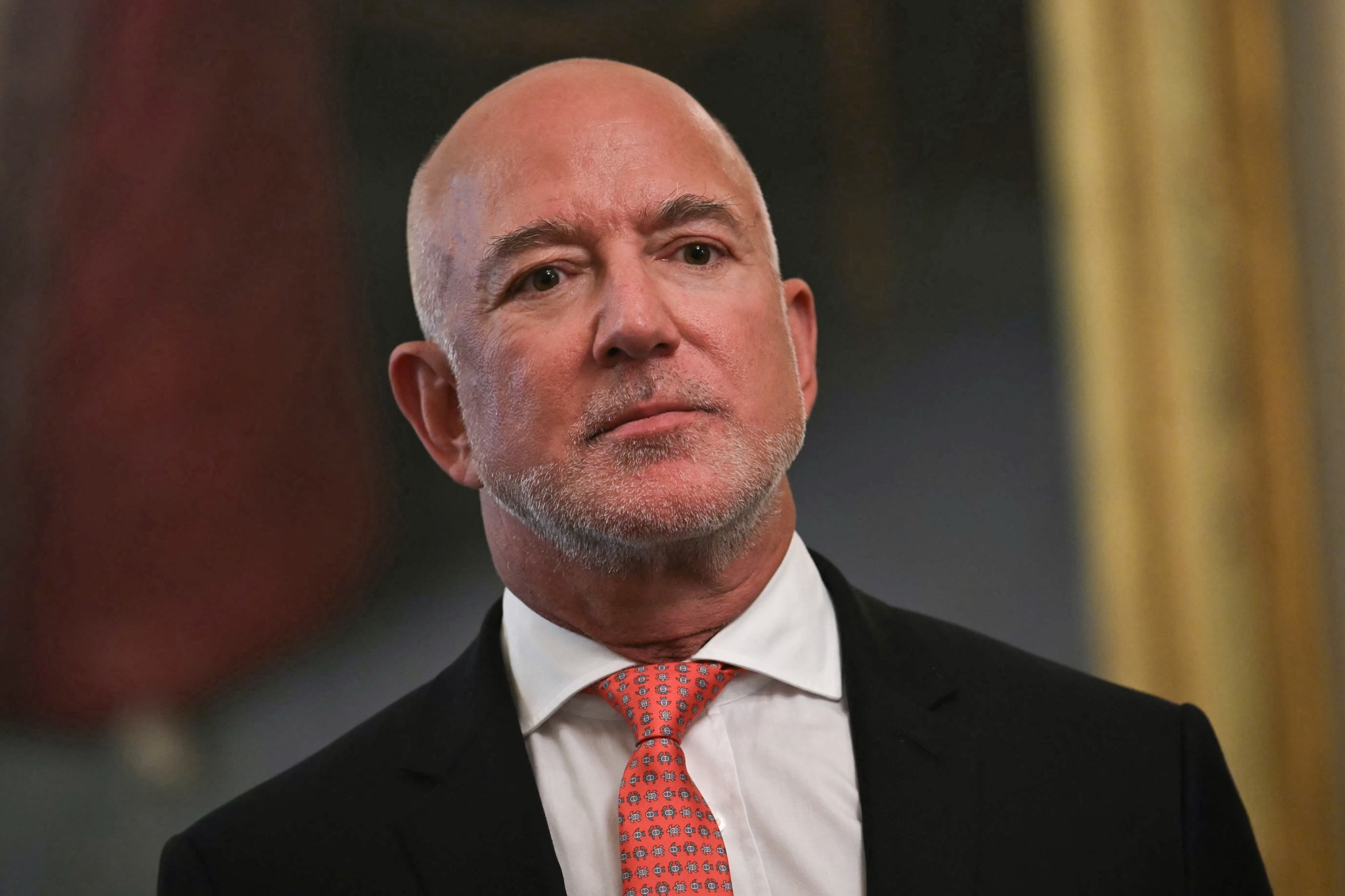
Jeff Bezos acknowledges the growing appeal of socialism in the United States, but he believes politicians are misdiagnosing the problem. The affordability crisis, particularly in housing, is a real issue that demands attention. During an interview on Fox News' Special Report, Bezos argued that government intervention has often been ineffective in addressing housing.
He emphasized that the root cause lies in simple supply-and-demand dynamics. Bezos also predicted that advancements in artificial intelligence could lead to a three-day workweek.
While a majority of Americans still favor capitalism, there has been a significant shift in recent years. A record-high 43% of Americans view socialism positively, compared to 55% who view capitalism favorably. This positive sentiment towards socialism is particularly pronounced among younger generations, with 57% of Americans aged 18 to 34 viewing it positively, compared to 43% of those 55 and older who view capitalism positively.
However, a significant portion of Americans are still unclear about what socialism entails, with 45% either stating it has no positive qualities or being unable to name any. According to a separate Gallup survey, 26% of Americans cited a stronger safety net and more affordable essentials like housing, healthcare, and education as benefits of socialism.
Vice President JD Vance warned in July that young Americans priced out of homeownership could be swayed toward socialism. By 2025, a household needed $120,800 annually to afford the median-priced U.S. home, a substantial increase from $68,700 just five years prior. The Harvard Joint Center for Housing Studies found that only 32% of U.S. households met this income threshold, including only 16% of renters.
The rising costs of homeownership have priced out approximately 8 million renter households that could once afford a median-priced home, primarily individuals aged 25 to 44 in their prime homebuying years. First-time homebuyers now make up just 21% of purchases, a record low, and Zillow's CEO predicts this trend will persist.
Bezos criticized "government programs that subsidize demand and constrain supply," citing Austin, Texas, as a case study. He noted that Austin has added 120,000 housing units between 2015 and 2024, resulting in a drop in median monthly rent from $1,546 in December 2021 to $1,296 in January 2026. In the broader Austin metro area, the median home listing price fell by 9.8% year over year to $446,450 in September.
Nationwide, the median listing price decreased by 1.4% year over year, with a record share of sellers cutting asking prices, including around 26% of listings in the Austin metro. The slowdown in the housing market makes it challenging to attribute the price drop solely to new construction. Despite the construction efforts and falling rents, Pew Charitable Trusts reported that housing gaps remain more pronounced for lower-income residents, particularly those seeking to purchase homes. The organization warned that rents could start increasing again as apartment completions slow.
Written by urgent.news from Fortune's reporting — not their text. Machine-written — may contain errors; check the original before relying on it.