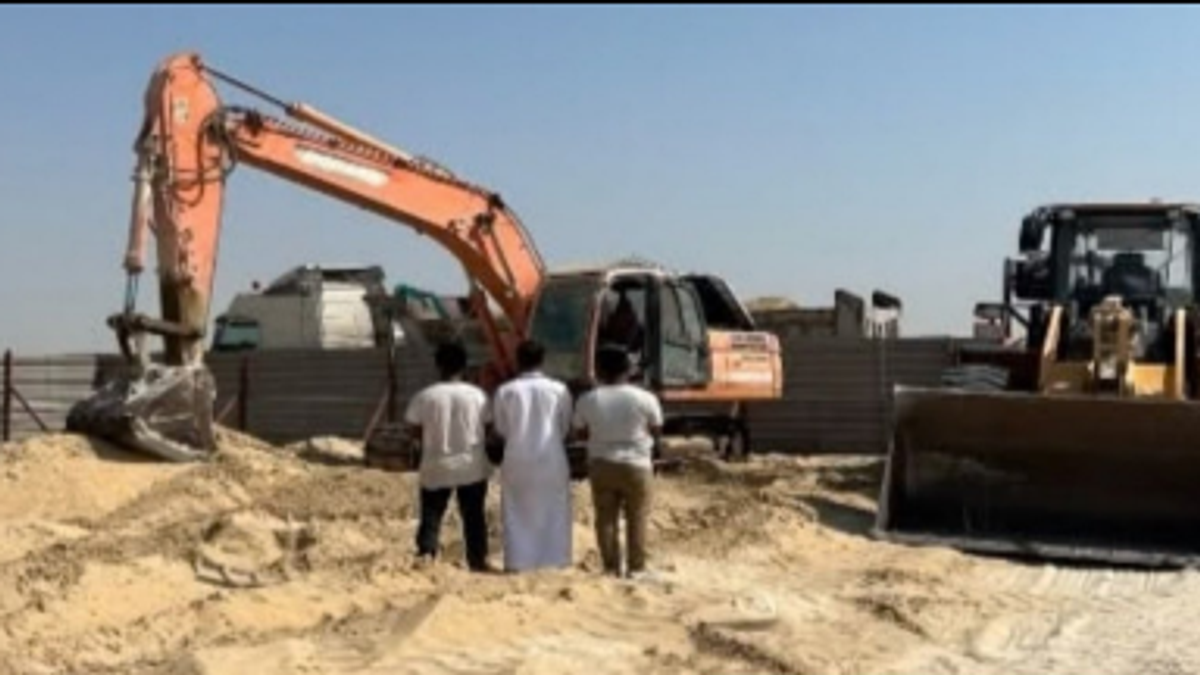
Iran seeks escalation and higher stakes for all, says Middle East expert
Middle East affairs academic Heba Raouf says Iran's attacks go beyond the Strait of Hormuz, reaching Gulf coastlines.
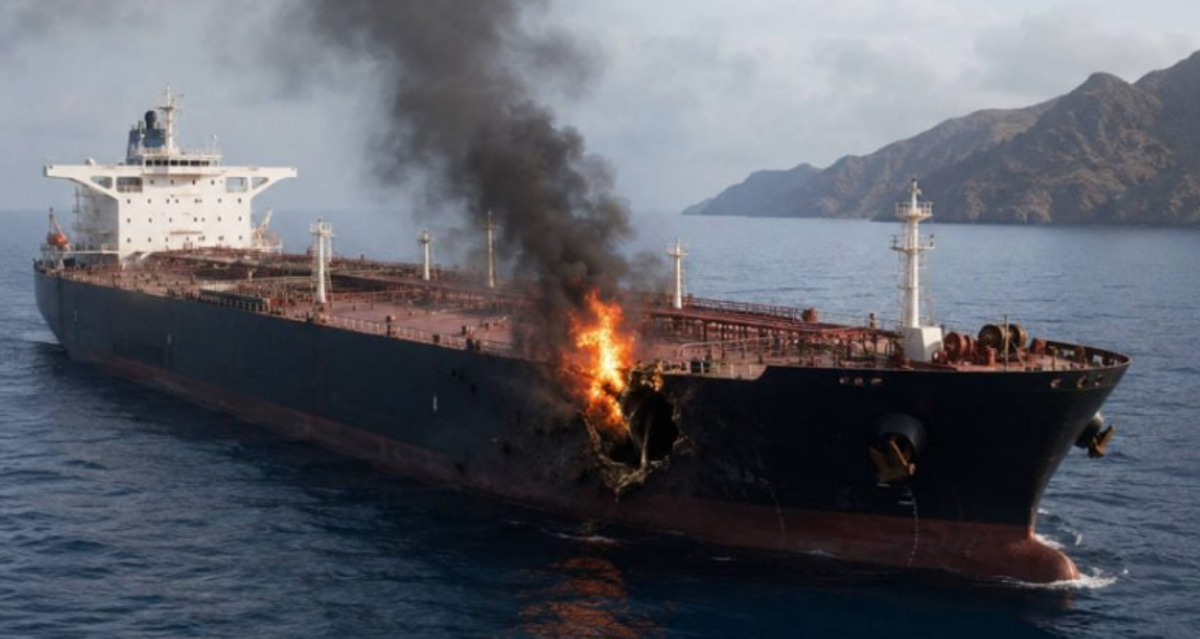
Oil prices surged to near $107 a barrel on Monday following Iranian-backed Houthis' strikes on Saudi Arabia, raising concerns about potential global supply shortages for the upcoming Northern Hemisphere winter. President Donald Trump's announcement of an "energy ceasefire" between Ukraine and Russia, along with his claim of securing a diesel deal from Moscow, further unsettled investors.
Asian markets showed mixed results, while European indices climbed in the afternoon session. The Nasdaq Composite opened lower, following its record highs of the previous week. The U.S. dollar strengthened against other currencies before the release of key economic data, which investors will scrutinize for potential Federal Reserve rate hikes to combat inflation.
Despite these developments, oil remained well above $100 after attacks on Saudi Arabia's Riyadh airport on the weekend. Russia's refusal to confirm an energy truce with Ukraine, following Trump's unilateral claim, added to market uncertainty. The U.S. president also called for a leadership change in Ukraine after Zelensky criticized Washington's easing of Russian diesel sanctions.
Saudi Arabia's energy minister acknowledged the country's infrastructure was tested by the recent Houthis' attacks, which have escalated the Yemen conflict. The upcoming corporate earnings season, with banking and tech firms reporting in October and November, will provide insights into the AI sector's prospects amidst rising Treasury yields, higher interest rates, and persistent inflation.
Rewritten by urgent.news; may contain errors — check the original.
Sources: hindustantimes.com · english.ajel.sa · jpost.com · iol.co.za
This story
This is one outlet's version. Read the fullest account.