Inside Amazon’s robotic arms race and what it means for the future of human work
The second-largest corporate employer has bet big on robot workers to scale.
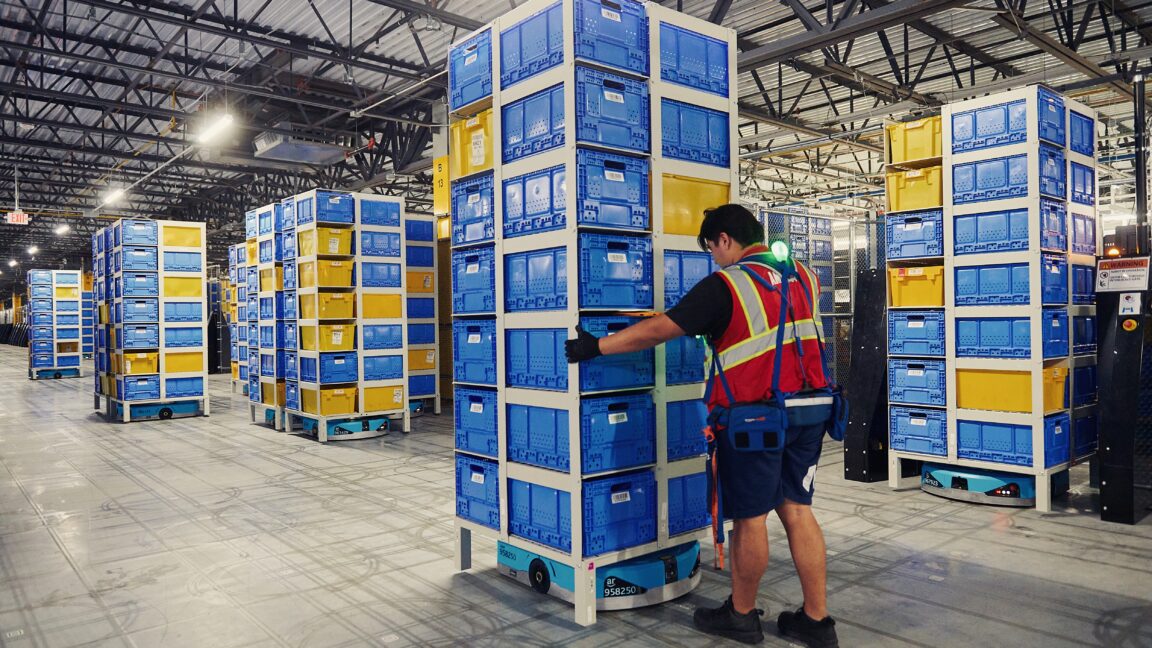
Amazon possesses more robots than any other organization globally, with over 1 million robotic workers operating in warehouses 24/7. The company aims to expand its robotic workforce as it constructs new factories to develop more advanced robots. Despite its extensive robot deployment, Amazon still leads the world in employing humans, with more than 1.5 million full-time and part-time staff according to its 2025 annual report.
Amazon's executives claim that the increasing robot fleet has alleviated some of the workload for its human employees by handling the most physically demanding and injury-prone tasks in fulfillment centers. However, labor advocates and independent researchers raise concerns about the impact of AI-driven automation on human workers.
Brian Greenwood, a professor of business at George Mason University, explains that while automation historically removes high-risk tasks from workers, the rise of collaborative robots alters this relationship. The robots work closely with humans, and their ability to dictate the pace of work introduces new dynamics to the workplace.
This shift in the relationship between humans and robots in the workplace raises questions about the future of human employment as automation continues to advance.
Written by urgent.news from Ars Technica's reporting — not their text. Machine-written — may contain errors; check the original before relying on it.