India’s opposition marches on Supreme Court as ‘cockroach’ protests gain ground
Indian opposition leaders and student activists marched on the Supreme Court on Monday to demand the resignation of the country’s election chief over alleged voter roll manipulation, as authorities erected heavy barricades and shut six metro stations across New Delhi. The rally went ahead after the Chief Justice of India turned down a meeting request from an opposition delegation, urging them…
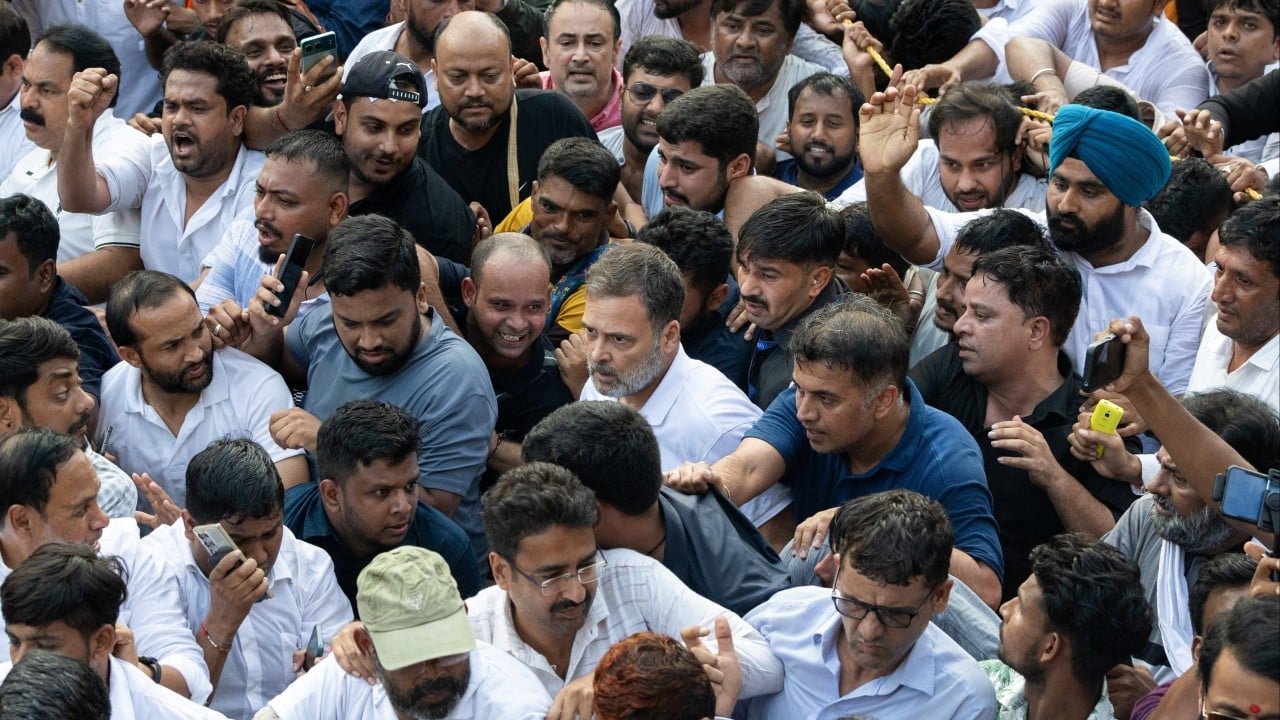
Indian opposition figures and student activists gathered at the Supreme Court on Monday, demanding the resignation of the country's Chief Election Commissioner over accusations of voter roll tampering. Authorities deployed significant roadblocks and closed six metro stations in New Delhi, preventing a larger turnout. The protest occurred after the Supreme Court declined to meet with an opposition delegation, instead directing them to submit a formal petition.
The rally came as mainstream opposition parties attempted to leverage public discontent, fueled by the youth-led Cockroach Janta Party (CJP), which has spearheaded weeks of protests alleging electoral fraud. The CJP, founded in May, gained prominence after its founder, Abhijeet Dipke, repurposed Chief Justice Surya Kant's disparaging remark about fake degrees as a rallying cry, positioning the group as a Gen Z-led pressure movement aimed at bolstering democracy.
Despite Dipke's insistence that CJP is not a registered political party, its rapid rise has prompted concerns about its potential entry into electoral politics. Opposition parties and student supporters have been staging daily protests, accusing the Election Commission of unlawfully deleting about 130 million names from draft electoral rolls, which critics allege disproportionately affected genuine voters.
The Election Commission refuted these allegations, claiming the deletions were routine measures to remove deceased, relocated, and duplicate registrations. Following the weekend's police crackdown, the Supreme Court ruled that peaceful protesters in Delhi could only be detained in compliance with legal procedures. The court also ordered authorities to ensure uninterrupted operation of metro and railway services, a directive immediately tested on Monday as police shut six stations citing security concerns.
Notably, Rahul Gandhi, leader of the multiparty INDIA opposition alliance, filed a petition in the Supreme Court against the Chief Election Commissioner over alleged "vote theft." Political analysts suggest the government's inability to counter the protests may be exacerbating public discontent, potentially paving the way for the CJP to enter electoral politics.
While the BJP has historically managed opposition movements effectively, experts warn that handling student leaders like those in the CJP will require a new approach. Some analysts predict the CJP could emerge as a formidable force akin to Arvind Kejriwal's Aam Aadmi Party (AAP), which gained traction following a 2011 anti-corruption movement.
However, others caution that historical examples, like Congress's unsuccessful campaign against electoral fraud allegations, suggest the movement's long-term political impact remains uncertain. Nevertheless, the youth-led protests have intensified opposition demands for administrative accountability, potentially posing a future challenge to Prime Minister Narendra Modi's government, especially as upcoming state elections in key regions could reveal the movement's true potential.
Written by urgent.news from South China Morning Post's reporting — not their text. Machine-written — may contain errors; check the original before relying on it.
Also reported by 10 other outlets
- India opposition parties march to Supreme Court against election chief brecorder.com
- 'Rahul Gandhi v ECI': LoP Files Supreme Court Plea Over Alleged Voter Deletions After INDIA Bloc's Protest March freepressjournal.in
- Thousands march in India's capital to demand resignation of election chief over alleged misconduct dawn.com
- India’s opposition parties march to top court as protests over voter lists escalate winnipegfreepress.com
- Supreme Court delivered 411 judgments in one year – CJN punchng.com
- DPP asks Supreme Court to uphold 20-Year jail term for Ex-Venezuelan Diplomat capitalfm.africa
- Murder: DPP urges Supreme Court to uphold conviction of ex-Venezuelan diplomat kbc.co.ke
- Delhi braces for INDIA bloc march; major traffic curbs and metro restrictions announced thehindu.com
- and 2 more