India’s monsoon risks may raise food industry costs: D&B
India is experiencing agricultural risks attributed to monsoon conditions, which could impact food processors and poultry producers. Procurement costs and inventory needs are likely to rise significantly due to these agricultural challenges. Rice and wheat stocks provide immediate buffers against potential food-supply issues, but maize faces direct risks from production shortfalls. Affected…
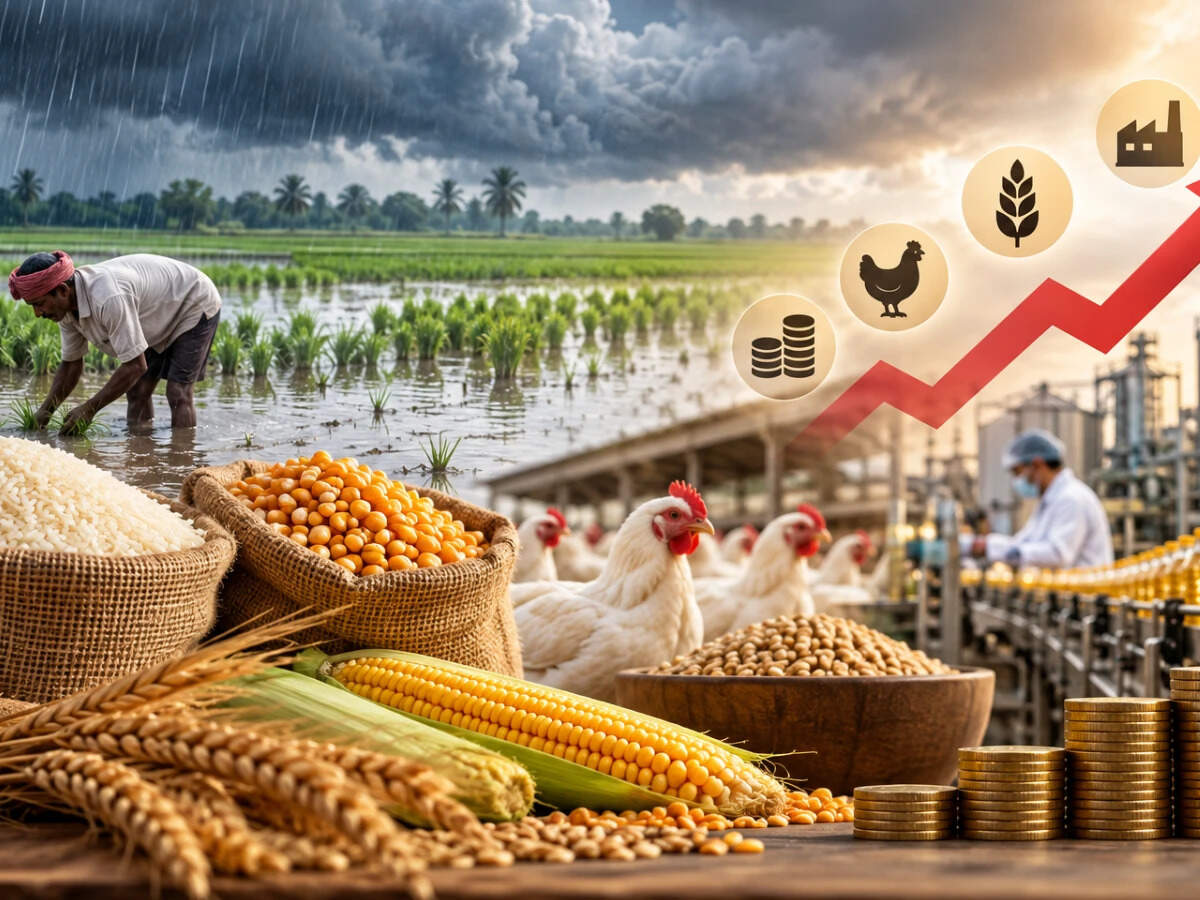
Kolkata: A white paper from Dun & Bradstreet India warns that India's monsoon-related agricultural risks may drive up costs for food processors, poultry producers, and other sectors before the effects appear in retail prices, according to a report. While rice and wheat reserves can mitigate immediate supply shocks, lower crop acreage and below-normal reservoir levels have raised concerns about regional and crop-specific production risks.
Kharif sowing fell 1.1% year-on-year by October 5, 2026, and foodgrain acreage decreased 1.6%. Rice acreage dropped 3.5%, while maize acreage fell 2.9%. Risks extend to industries relying on agricultural commodities; a maize shortage could impact poultry, livestock, aquaculture, processed foods, and ethanol production. Unlike rice, maize has fewer buffers, as public stock reserves are less significant.
The report emphasizes that economic repercussions of El Niño-related monsoon risks depend on rainfall distribution, crop growth stages, and irrigation availability. Major food-producing states contributing to the issue include Madhya Pradesh, Rajasthan, Telangana, Maharashtra, and Andhra Pradesh, accounting for 37.7% of total 2025-26 foodgrain output.
While strong rice inventories and adequate wheat reserves may prevent an immediate nationwide food-supply shock, maize and pulses remain vulnerable, with businesses facing higher procurement costs, increased inventory needs, and greater working-capital requirements. The impact is primarily felt in food manufacturing, which accounts for 57% of intermediate consumption in food product production.
Written by urgent.news from The Economic Times - Economy's reporting — not their text. Machine-written — may contain errors; check the original before relying on it.