India To Gain Preferential Access To $85 Trillion Global Markets In 18 Months: Piyush Goyal
India is expected to gain preferential access to overseas markets representing a combined gross domestic product (GDP) of $85 trillion within approximately 18 months, Commerce and Industry Minister Piyush Goyal said on Oct 12. Speaking at The Dilli Dialogue, Goyal said the government was pursuing a structured strategy to achieve $1 trillion in exports during FY27 through expanded international…
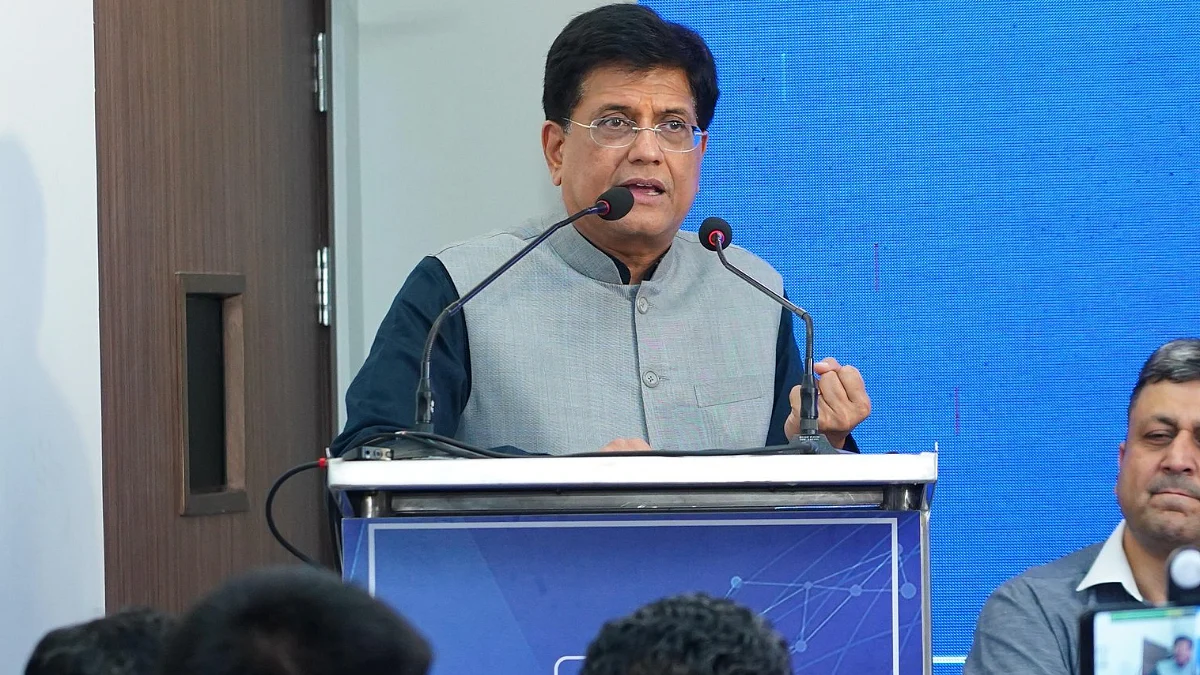
Within approximately 18 months, India is set to gain preferential access to overseas markets with a combined gross domestic product (GDP) of $85 trillion, Commerce and Industry Minister Piyush Goyal announced on Oct 12 at The Dilli Dialogue. The government aims to achieve $1 trillion in exports during the fiscal year 2027 (FY27) through the expansion of international trade partnerships. This projected market access would encompass a significant portion of the estimated $115 trillion global economy.
Goyal emphasized that India's free trade agreement (FTA) negotiations would prioritize access to international markets while protecting sensitive domestic industries, such as agriculture, fisheries, and micro, small, and medium enterprises (MSMEs). He highlighted the need for trade negotiations to respect the economic priorities of both participating countries.
To illustrate, Goyal cited the dairy sector, stating that India had safeguarded the industry while negotiating agreements with Australia, New Zealand, the European Union (EU), and the European Free Trade Association (EFTA). Additionally, he mentioned that dairy had been excluded from trade negotiations with the United States.
In the case of automobiles, India has adopted a balanced approach in agreements with the United Kingdom and the EU, allowing limited imports of expensive vehicles not manufactured domestically. These quotas are designed to protect Indian automobile manufacturers. Goyal noted that substantial demand for such vehicles could eventually encourage foreign manufacturers to establish production facilities in India.
He also mentioned that rising imports should not be viewed negatively, as they could signal expanding domestic demand and attract manufacturing investment. Electronics imports serve as an example of demand potentially driving semiconductor manufacturing investments in India.
The government is also working to enhance supply-chain resilience by reducing dependence on a limited number of countries for critical products. Goyal believes that diversified trade relationships and increased domestic manufacturing will support India's long-term economic ambitions.
Rewritten by urgent.news; may contain errors — check the original.
Source: freepressjournal.in