Impeachment and democratic consolidation
Can impeachment strengthen a democracy, or does it only wound it?
Impeachment is a test of democratic consolidation, not a way to strengthen it, according to political scientists Juan Linz and Alfred Stepan. Consolidated democracies are those where democracy is the only option, and losers accept defeat knowing there will be another chance. The trust in the rules to provide another opportunity is crucial.
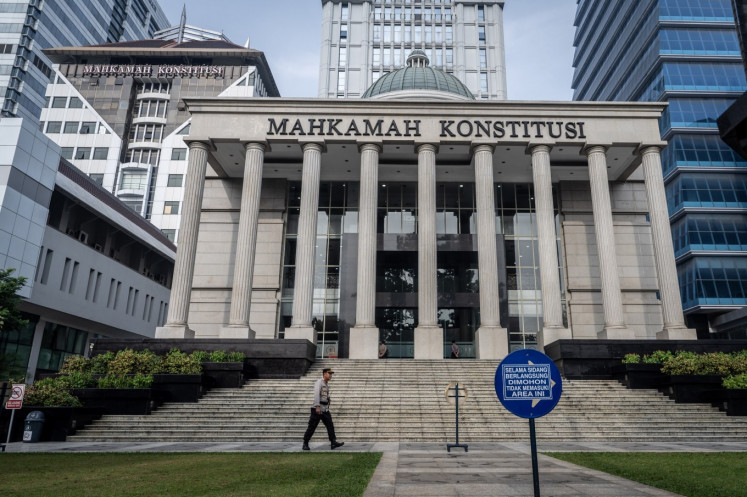
In Indonesia, the outcome of an impeachment depends on whether the process follows rules that both supporters and opponents can accept. Comparative experience from Latin America and South Korea demonstrates this. In 2004, South Korea's Constitutional Court removed President Roh Moo-hyun for electoral neutrality breaches, but reinstated him when voters punished the impeaching parties.
However, in 2017 and 2025, the same court removed Presidents Park Geun-hye and Yoon Suk-yeol respectively, filtering out a partisan impeachment and confirming two grave ones. Latin America's experience shows impeachment can become corrosive when political defections occur without a scandal, as seen in Paraguay's Fernando Lugo's removal in 2012 and Brazil's Dilma Rousseff in 2016.
In Indonesia, the People's Consultative Assembly removed President Abdurrahman "Gus Dur" Wahid in 2001 through a purely political process, without any court ruling on the allegations. This experience highlights the importance of the rules in maintaining a consolidated democracy.
Written by urgent.news from The Jakarta Post's reporting — not their text. Machine-written — may contain errors; check the original before relying on it.