I spoke to a product marketing expert about AI food photos — and there's more at stake than a disappointing burger
With the rise of AI images of food, I spoke to Michael Bortinger to get a better understanding of the problems that arise from their continued use by restaurants.
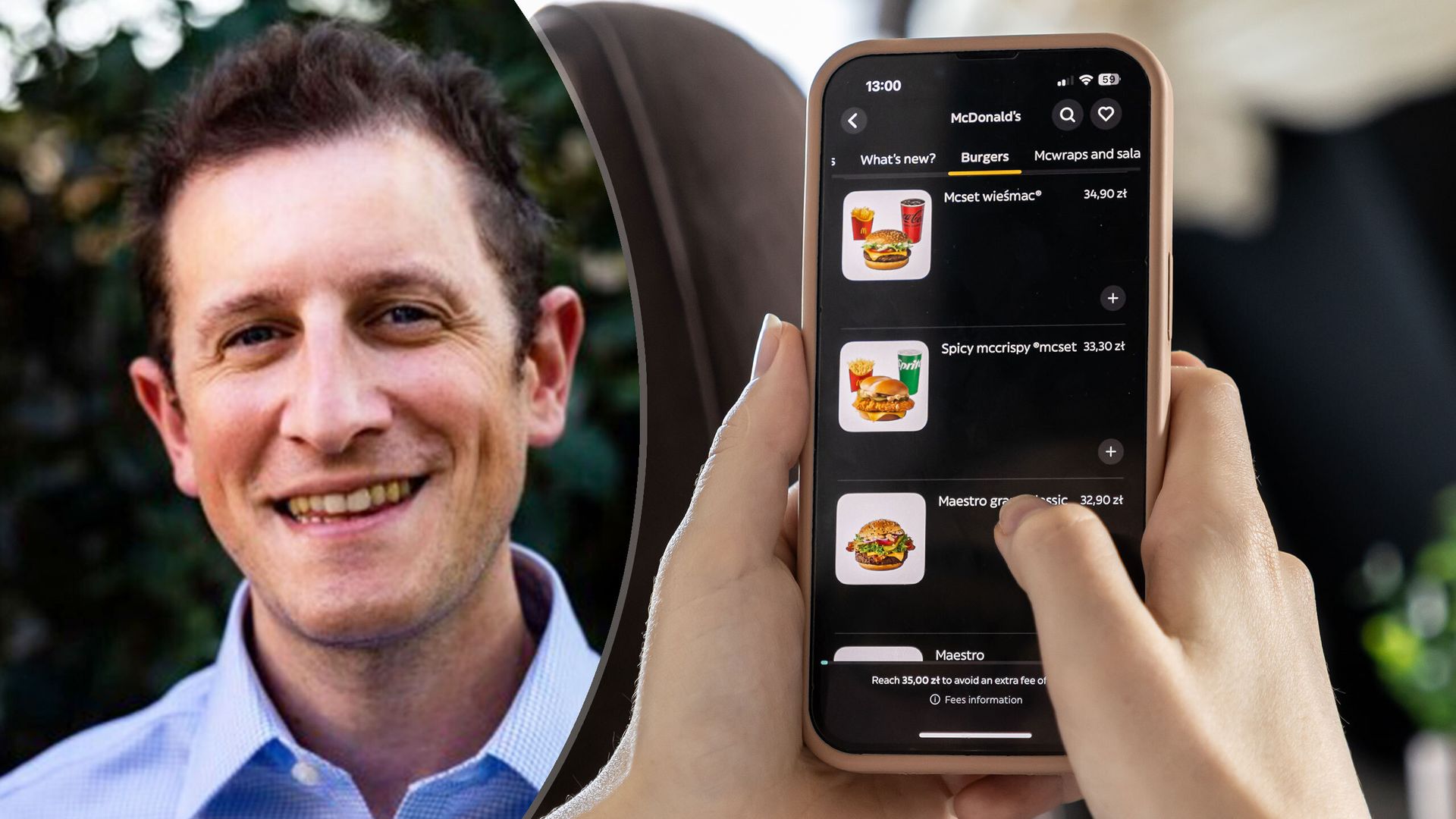
AI-generated food photos are increasingly common in advertisements for eateries, but the consequences go beyond merely disappointing customers with unappealing images. These pictures can misrepresent crucial details like ingredients, portion sizes, and even allergens, potentially leaving consumers questioning the safety of their meals.
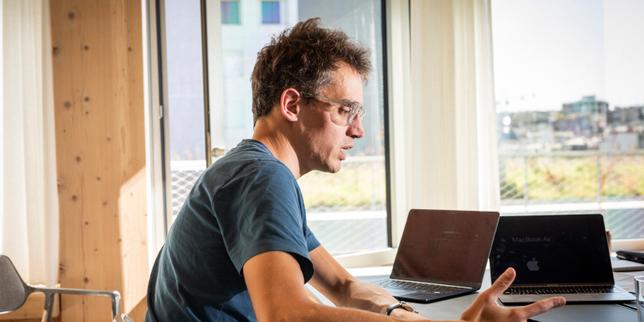
To understand the implications of AI on restaurant food presentations, I interviewed Michael Bortinger, Director of Marketing & Partnerships at Tastewise, an AI-powered food and beverage intelligence platform. He explained that convincing AI food images could be more misleading than obviously fake ones because they can set unrealistic expectations in customers' minds.
When a delivery app user sees an image that closely resembles the actual food, they may blame the restaurant if the real dish falls short, leading to negative reviews and refunds. The AI models generating these images are primarily based on large volumes of food photography, often with a bias towards more photogenic images. This results in a rough average of every good-looking burger or dish that the model has been fed, rather than a realistic reflection of the specific establishment's dishes.
Restaurants should be particularly concerned about inaccuracies in portion sizes, proportions, and cultural inconsistencies in food images, as these can lead to significant discrepancies between the customer's expectations and the actual meal. Incorrect ingredients are potentially even more dangerous, as they could mislead customers with allergies or intolerances about the safety of their food.
If a restaurant uses an AI agent to generate food images, such as DoorDash's text-to-order AI agent, both the AI company and the restaurant could be held responsible for any misleading images. However, the restaurant remains ultimately accountable for signing off on any representation of their food that could impact customer expectations or safety.
Written by urgent.news from Tom's Guide's reporting — not their text. Machine-written — may contain errors; check the original before relying on it.