'I just felt empty': Understanding perinatal anxiety and depression in fathers
Psychologists say perinatal anxiety and depression in fathers is "relatively common" and seeking support is vital.
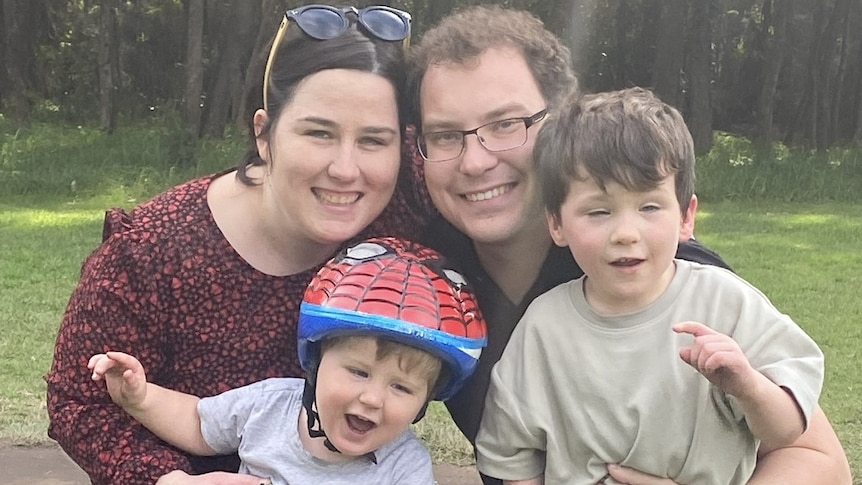
Trent Gallucci, a 31-year-old man from Sydney, realized something was amiss after the birth of his first son in June 2021. Despite the birth being successful and modern medicine saving his life, a strange sensation lingered. Six weeks prior, his wife Stella expressed concerns about their baby's lack of movement and sought medical attention, leading to an emergency caesarean section.
Specialists visited the family to discuss potential risks associated with premature birth and the caesarean. However, Trent felt a profound emptiness rather than the anticipated joy. He experienced guilt, fear, and sadness, which were not typical of his personality. The Gidget Foundation Australia, a not-for-profit organization, has noted that perinatal depression and anxiety, though less common in men, still occur.
Danya McStein, a psychologist with the organization, stated that fathers may undergo mental health screenings alongside their partners. Associate Professor Jacqui Macdonald from Deakin University suggests that around one in ten fathers may experience depression, anxiety, or psychological distress during this period. She believes these figures may be underestimated due to the mental health screening measures that are not well-suited to detect typical male mental health issues.
Symptoms of perinatal depression in men can include a change in mood, low motivation, withdrawal from social activities, excessive worry about the baby's health, and intense self-criticism. Trent, who had never sought mental health services before, reached out to the Gidget Foundation after six weeks of feeling empty. While he acknowledged his son, Xavier, needed immense care, he felt sad, angry, and lacked joy in his usual activities.
Trent sought help from a therapist after contacting the foundation, emphasizing the importance of early intervention.
Written by urgent.news from ABC News AU's reporting — not their text. Machine-written — may contain errors; check the original before relying on it.