Hubble Spots a Suspected Second-Generation Planet
Diligent sleuthing by astronomers has broken open a cold case in the data archive of NASA’s Hubble Space Telescope. In a study published Monday in Nature Astronomy, researchers report uncovering a surprising chemical clue that indicates the white dwarf star HS 0209+0832 may host a second-generation planet.
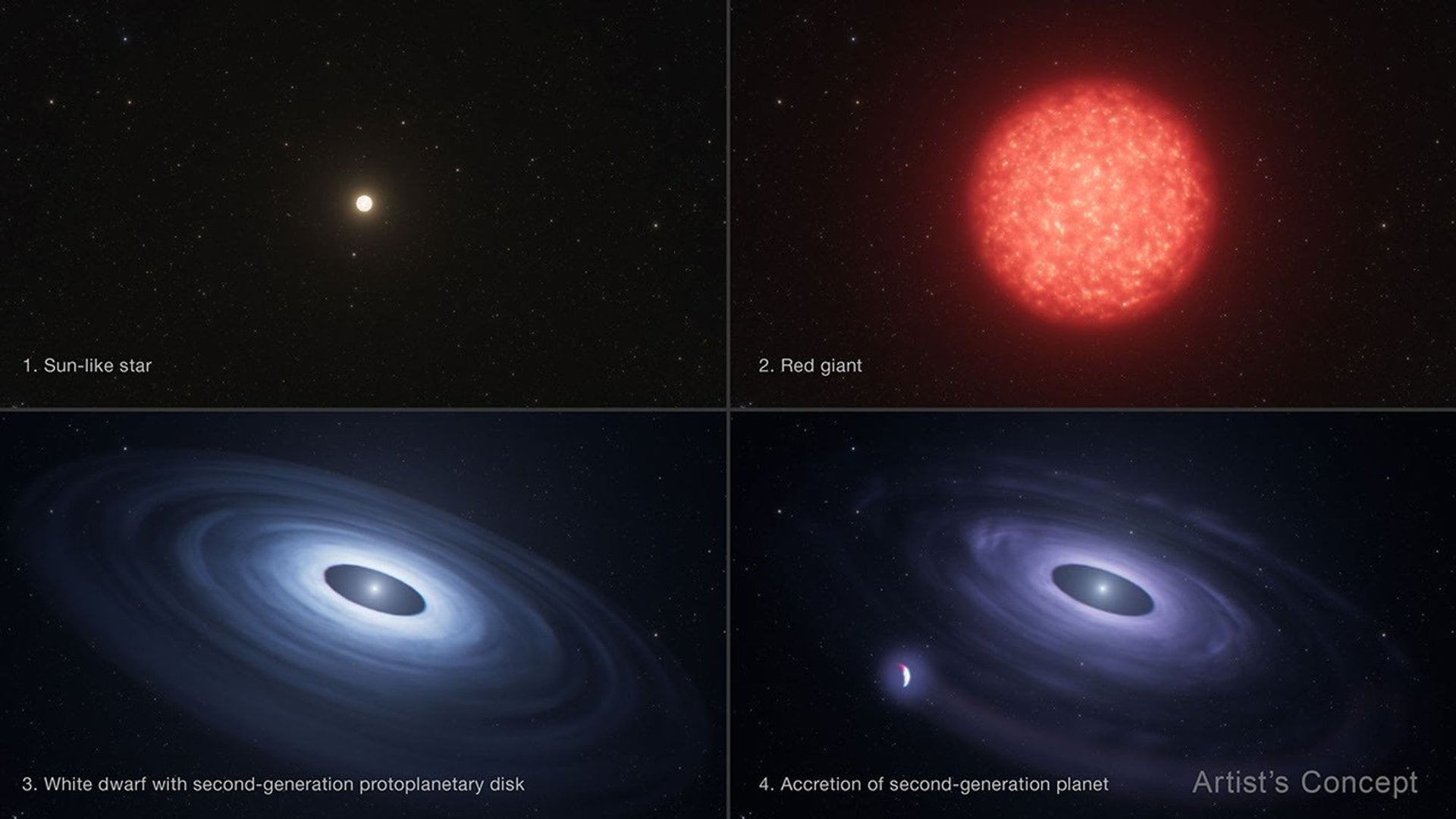
Astronomers have discovered a potential second-generation planet orbiting a white dwarf star, using the Hubble Space Telescope. The system, named HS 0209+0832, is made up of a white dwarf only 1% the size of the Sun but 60% as massive. Previous observations in 1999 detected numerous chemical signatures, but the source of these remains a mystery.
After reexamining the data with an updated chemical database, researchers found an abundance of niobium, an element not previously observed in white dwarfs. Niobium is formed only in dying stars, suggesting the presence of a massive planet rich in the material. The team estimates this planet to be a gas giant similar in size to Jupiter, orbiting the white dwarf at a distance of about 6 million km.
The intense radiation from the hot white dwarf is rapidly eroding the planet's atmosphere, creating a comet-like tail of material that allowed Hubble to detect traces of niobium. If confirmed, this would be the first-ever detection of a second-generation planet, providing new insights into how planetary systems evolve around white dwarfs.
Written by urgent.news from Universe Today's reporting — not their text. Machine-written — may contain errors; check the original before relying on it.