How shadow banking feeds Myanmar while starving its military
On a recent Friday night in a Bangkok dive bar, a group of young Myanmar exiles sang softly along to a mournful ballad played on an acoustic guitar. None among the crowd had any plans to leave, either for their homeland or home for bed. They fled war, a broken economy and forced conscription into a military that seized power in the 2021 coup. While their future in Thailand is uncertain, their…
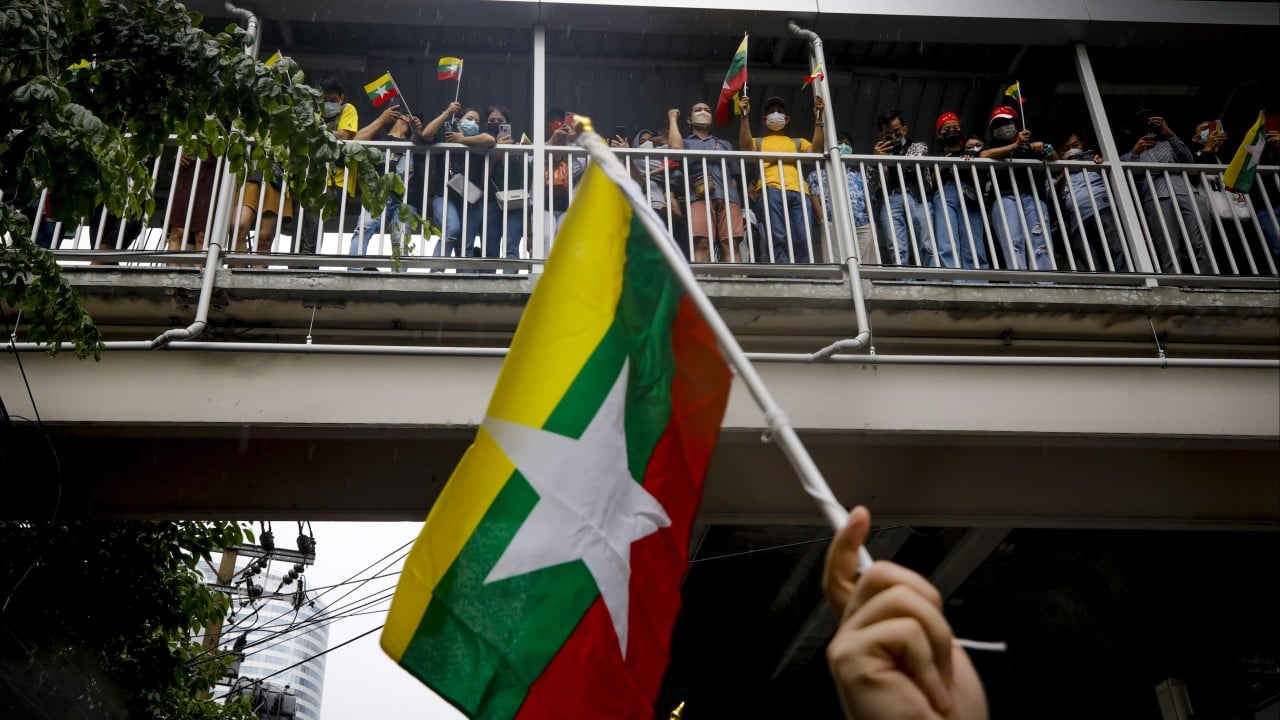
In the dimly lit bar of Bangkok, a group of exiled Myanmar youths sang a melancholic ballad, reminiscing their homeland amidst the turmoil. These individuals had left their war-torn nation, crippled economy, and imposed military conscription. As they shared their experiences, their monthly remittances became a lifeline for their families back home.
Aung, a 31-year-old from Bago region, worked at a state-owned bank before fleeing Myanmar. He now utilizes the shadow banking system to avoid the high fees imposed by authorized remittance channels, ensuring that his 3,000 to 5,000 baht (US$90-US$150) reaches his parents and sister. Village-level agents form the backbone of Myanmar's "hundi" system, an intricate network based on kinship and community that swiftly delivers funds to remote areas.
Aung's agent is trusted 100%, likening him to a brother. In 2024, a new regulation mandates migrant workers to send at least 25% of their earnings back home, with non-compliance resulting in travel bans and passport confiscation. Remittances, estimated at US$5.6 billion in 2023, constitute about 38% of foreign inflows, a far cry from the US$8 billion remitted in 2015, including both official and unofficial channels.
While the percentage of GDP remitted today remains unknown, it is undoubtedly higher due to the millions of expatriates sending money back to Myanmar. Foreign direct investment, however, barely surpassed US$1 billion last year, according to Myanmar state media. With the government's urgent need for foreign currency to meet essential import requirements, remittances are viewed as a reliable and quick source of cash.
Within Myanmar, the hundi system operates like a massive currency swap. Thai border towns, such as Mae Sot and Mae Sai, aggregate small sums of Thai baht collected from migrants and distribute them directly to Myanmar importers, who then convert the value into kyat and disburse it to migrants' families, charging a fee of 2 to 2.5%.
This informal system, existing for decades, now outstrips official banking channels and operates efficiently, offering better exchange rates than the official rate of around 2,100 kyat to the US dollar. In Yangon, Ju, a migrant from Myanmar's capital, finds the hundi system as convenient as visiting a shop in Kuala Lumpur's Pudu district.
Cheating is a concern, but Ju usually tests unfamiliar agents with a small amount, typically arriving within a day. In Naypyidaw, former military chief Min Aung Hlaing's civilian and military-led government seeks a share of this foreign currency to fund imports. Thailand, on the other hand, aims to regularize the nearly 4.6 million Myanmar nationals working in the country, transforming them from the shadow economy to a taxable and more visible workforce.
While these remittances bolster household income in Myanmar, the majority still flow through informal channels, such as the hundi system, rather than through banks or licensed money transfer operators. Thai banks, partnering with digital platforms like KBZPay and AYA Pay, offer cross-border transfers at competitive rates, but opening a Thai bank account demands official documents from the Myanmar embassy, a challenge for illegal border-crossers and conscripts.
Thai authorities seek ways to pay for the health and education services of migrant workers, recognizing the strain they place on public services intended for Thai citizens.
Written by urgent.news from South China Morning Post's reporting — not their text. Machine-written — may contain errors; check the original before relying on it.