How do mattress warranties work?
We unpack how mattress warranties work, what they cover — plus the 10 actions that could accidentally void your warranty.
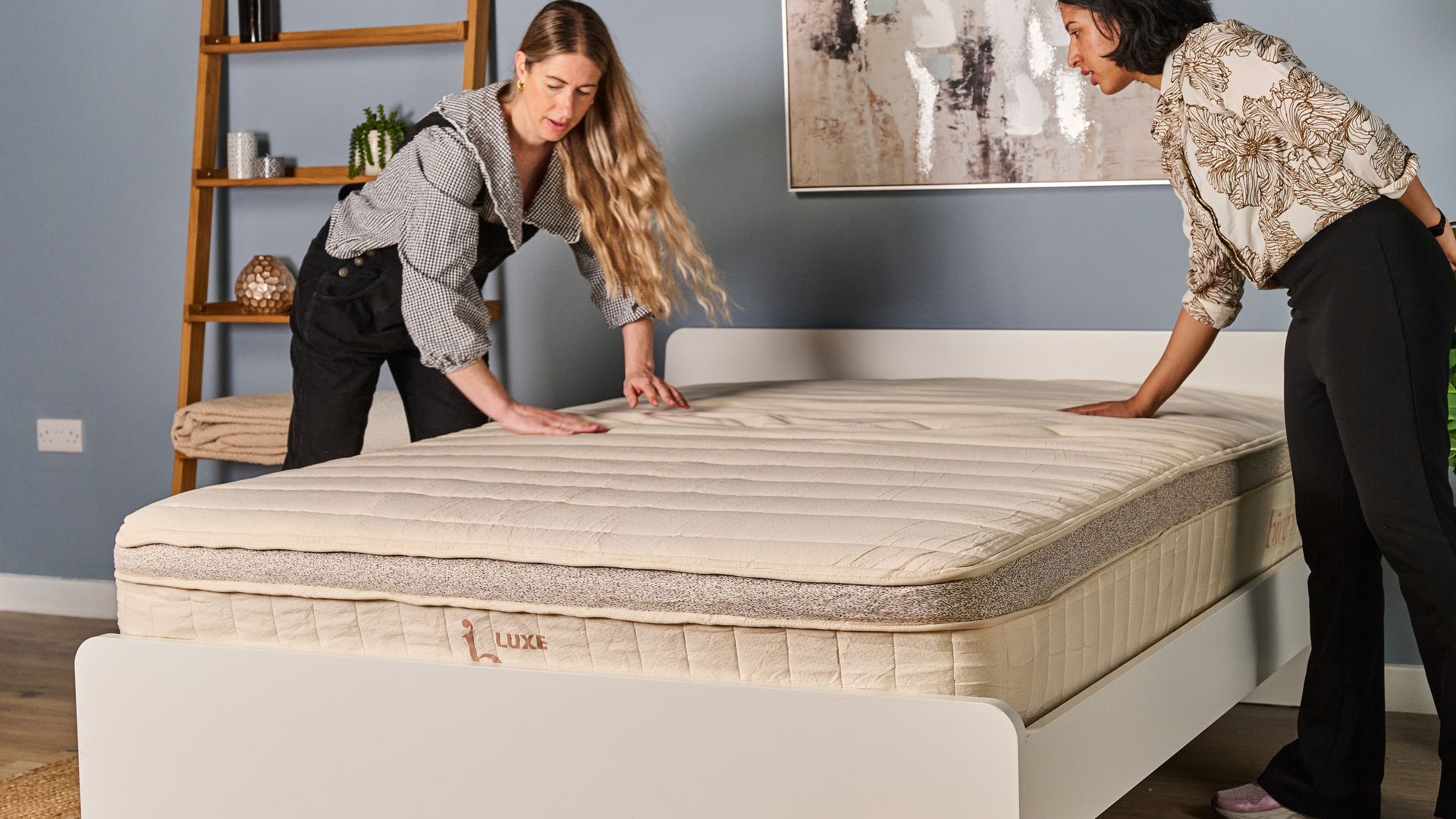
A mattress warranty is a guarantee from the manufacturer that the product will be replaced, repaired or refunded if it develops a manufacturing fault. This usually covers structural defects caused during production, such as workmanship errors or damaged materials. Most warranties range between 10 years and lifetime, but the fine print varies from brand to brand.
There are three main types of mattress warranties: prorated, non-prorated and combination. A prorated warranty may require the customer to pay a percentage of the cost for replacement or repair, while a non-prorated warranty covers the full cost. A combination warranty starts as non-prorated and then becomes prorated after a certain period.
Mattress warranties typically cover issues like excessive sagging, broken coils, material defects, seams coming undone, faulty handles or zips, manufacturing flaws in the cover, and sizing inconsistencies. However, there are certain actions that can void a warranty. These include using the mattress on improper support, removing warranty labels, having stains or soiling, exceeding the weight capacity, not having proof of purchase, ignoring care recommendations, causing physical abuse or misuse, attempting to return a damaged mattress, leaving the mattress boxed for too long, and removing the mattress cover.
Written by urgent.news from Tom's Guide's reporting — not their text. Machine-written — may contain errors; check the original before relying on it.