How China and the EU pressed pause on trade war – and what it took to get there
Weeks of high-wire negotiations between China and the EU culminated in a surprise trade deal that will, among other measures, impose strict quotas on Chinese hybrid car exports to the bloc and slash Chinese tariffs on a variety of European goods. The deal, unveiled on Friday, takes some of the heat out of searing bilateral trade tensions and temporarily averts the prospect of a bruising trade…
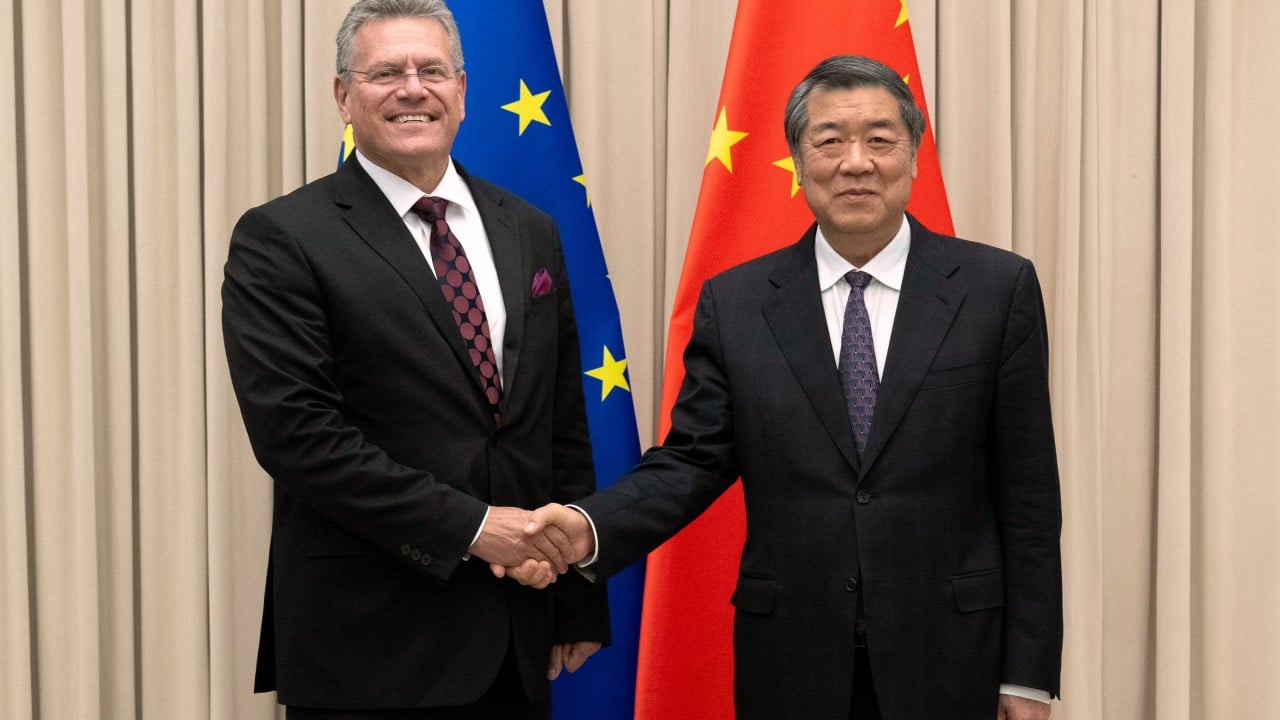
A surprising trade deal reached this week between China and the European Union aims to ease long-standing trade tensions, temporarily averting the prospect of a trade war. The agreement, signed on Friday, introduces strict quotas on Chinese hybrid car exports to the EU and slashes Chinese tariffs on various European goods, providing a much-needed reprieve from the escalating bilateral trade tensions.
Beijing has agreed not to retaliate against Brussels' move to restrict imports of Chinese hybrid cars, which will be limited to 350,000 units per year, with an annual growth rate of 6%. This arrangement will significantly lower China's share of the EU hybrid market from its current 12%, effectively halving its influence. The deal comes after months of high-stakes negotiations, with senior EU officials emphasizing the need to curb unsustainable imports and protect the EU's market share.
While the EU retained its tariffs on Chinese-made electric vehicles, the conditions for price undertaking agreements were reaffirmed, ensuring that Chinese companies must negotiate directly with Brussels rather than through their government. Although the deal brings relief to Brussels, which has been striving to avoid a full-blown trade war, trade tensions are expected to persist.
However, the agreement marks a significant shift in the EU's approach to China, with officials focusing on reducing China's imports as a means to rebalance the economic relationship.
Written by urgent.news from South China Morning Post's reporting — not their text. Machine-written — may contain errors; check the original before relying on it.