Here’s when food prices might go up because of El Niño
The climate pattern could potentially push up prices for staple foods such as maize.
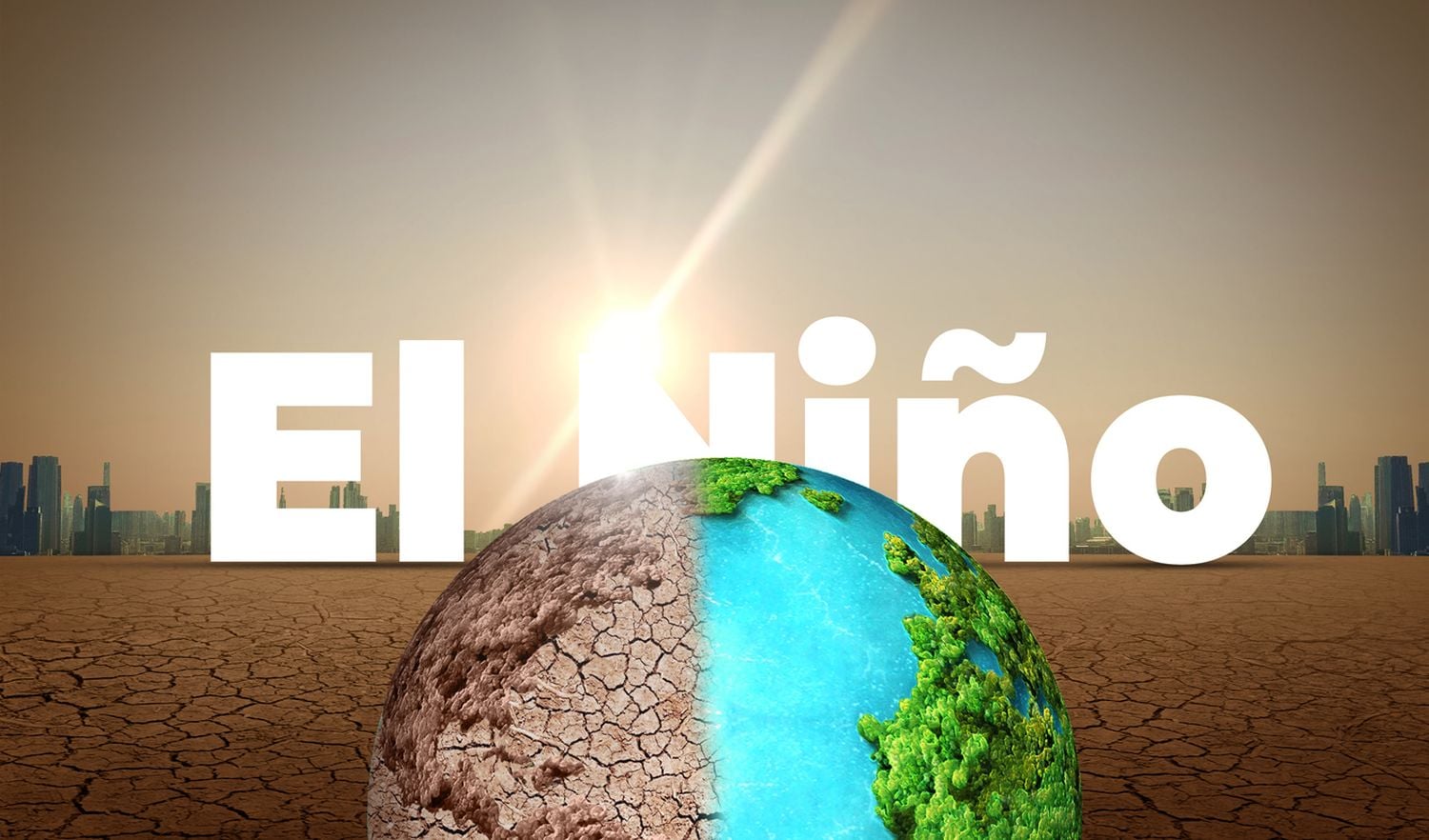
South Africa may experience another spike in food prices due to the potential impact of El Niño, which threatens hotter, drier conditions that could lead to drought, crop losses, and increased agricultural production costs. This weather phenomenon, caused by warming surface waters in the Pacific Ocean, alters weather patterns globally, often bringing hotter temperatures and below-average rainfall to Southern Africa.
This increases the risk of drought and poor harvests, which could put pressure on agricultural production and food supplies, potentially driving up prices for staples like maize and other everyday items.
Currently, food prices remain moderate, with chief economist Wandile Sihlobo of the Agricultural Business Chamber of South Africa stating that households are safe for the remainder of 2026 and the beginning of 2027. This is because the country's agriculture sector had a good crop season in 2026, reflected in lower consumer food price inflation. In fact, food price inflation was only 0.7% in August 2026, down from 0.6% in the previous month and the lowest since 2010.
Despite the current stability, Sihlobo warns that food prices may start to rise in 2027 as El Niño drought concerns begin to affect food product prices. The U.S.-Iran war is also expected to drive up fuel costs, which account for a large share of food distribution costs. Over 80% of staple food products are transported by road, making fuel price fluctuations a significant concern.
To prepare for the anticipated El Niño climate pattern, Sihlobo has urged municipalities to minimize water losses, which currently cost the country at least R26 billion annually. He warned that dams have plenty of water, but wastage and leaks pose a risk. Municipalities must take steps to minimize these losses to ensure water availability for the next season's crops, which will be planted from mid-October and reach the market in mid-2027.
Written by urgent.news from The Citizen's reporting — not their text. Machine-written — may contain errors; check the original before relying on it.