GST Reforms Should Boost Trust
Last week, the Finance Minister announced a series of measures to relax several GST provisions, and many of them are indeed laudable. Businesses across the country have repeatedly complained about the complex compliance requirements, delayed refunds, disputes over input tax credit, and an enforcement regime that can make even procedural lapses costly. The key proposals in the recommendations of…
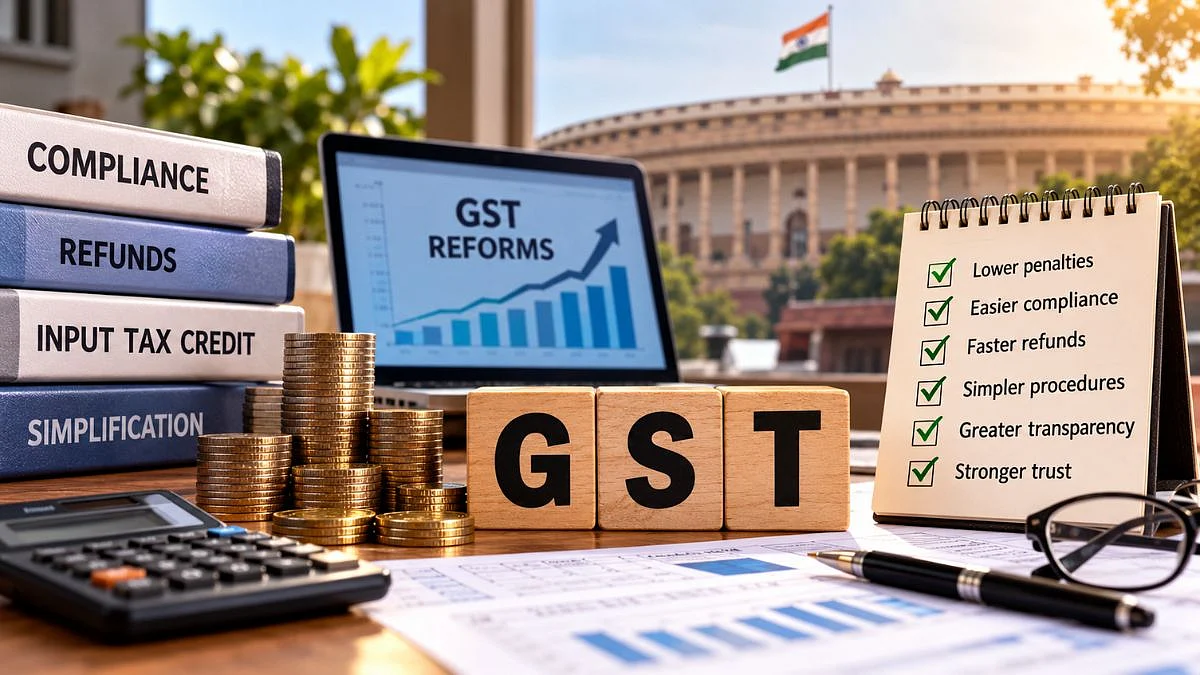
Last week, the Finance Minister unveiled a set of reforms aimed at simplifying Goods and Services Tax (GST) compliance and reducing business anxieties. The measures, recommended by the recently concluded 57th GST Council, focus on addressing issues such as complex compliance requirements, delayed refunds, disputes over input tax credits, and costly enforcement actions.
Key proposals include removing arrest provisions under GST and raising the prosecution threshold from ₹1 crore to ₹5 crore. The maximum general penalty has also been reduced from ₹25,000 to ₹10,000, making enforcement more proportionate.
Businesses have long complained about the difficulties associated with GST compliance. A thin line separates wilful defaults from genuine errors, and overbearing enforcement can drain businesses' resources, leaving less time for core operations. Therefore, it is crucial for a regime to foster voluntary compliance and maintain a healthy relationship between taxpayers and tax authorities.
Easing compliance can prevent businesses from locking up working capital through delays in refunds and input tax credits, forcing them to resort to loans for routine operations and working capital needs. The council's approval of measures to reduce paperwork and friction in GST registration and return filing is a step in the right direction, particularly for smaller enterprises.
Another significant change concerns goods transit checks. The council has altered the rules governing physical checks, allowing vehicle inspections only under specific intelligence with prior authorization from an officer of at least Joint Commissioner rank. This shift from unsystematic checks across all states to targeted checks at origin and destination locations aims to streamline the process and reduce disruptions.
While these steps are positive, the GST council's failure to consider the practical implications of the reforms over the years is surprising. Nevertheless, the proposed changes, despite their delayed implementation in April 2027, will bring substantial relief to businesses nationwide.
Transparency and accountability are also vital components of a trust-based tax regime. Despite the new measures, businesses expect more transparency regarding withheld refunds, blocked input tax credits, and rejected registration applications. The tax authorities should leverage technology to enhance transparency and accountability in their administration.
The success of these reforms hinges on the administration's commitment to the principle of trust that they seek to establish. While the reforms bring relief, businesses eagerly await the impact of these changes on their operations.
Written by urgent.news from Free Press Journal's reporting — not their text. Machine-written — may contain errors; check the original before relying on it.