GST Reforms Proposed From November 1 To Ease Registration, Refunds And Penalties; Experts Explain Changes In Indore
Indore (Madhya Pradesh): The GST Council has proposed measures to simplify and automate GST registration and amendment processes, reduce official discretion and expedite refunds. Eligibility for refunds on input services under the inverted duty structure is proposed from Nov 1, while the mechanism for input tax credit (ITC) refunds on capital goods is proposed from April 1, 2027. Senior GST…
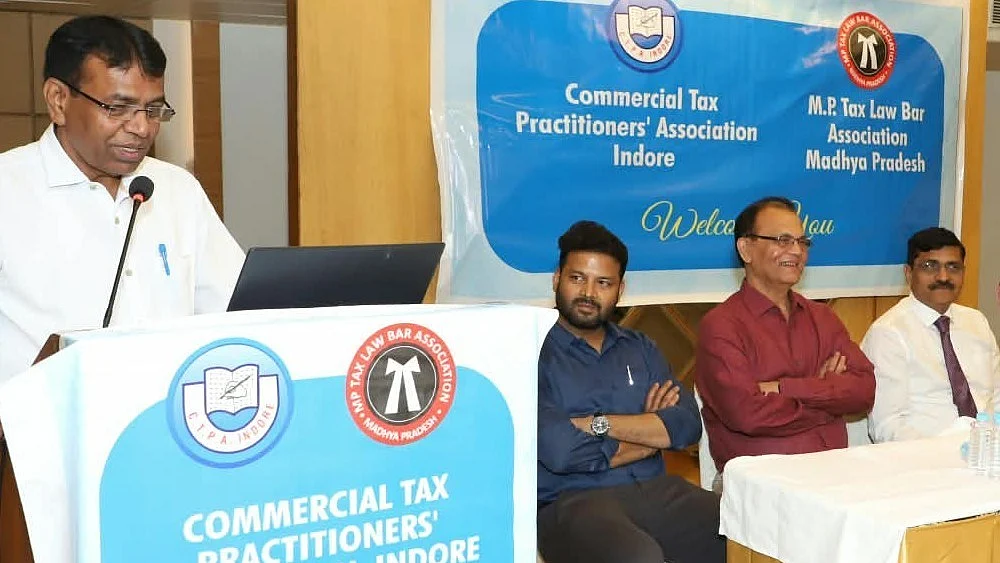
Indore, Madhya Pradesh: The GST Council has unveiled reforms to streamline GST registration, refunds, and penalties, with the aim of easing compliance burdens for taxpayers. These changes, set to take effect from November 1, 2022, encompass a range of provisions aimed at simplifying the process and reducing official discretion. Eligibility for refunds on input services under the inverted duty structure is proposed to commence on this date, while refunds on input tax credit (ITC) for capital goods are slated to start from April 1, 2027.
Senior GST expert CA Sunil P Jain elaborated on these proposals during a seminar jointly organized by the Commercial Tax Practitioners Association (CTPA) and Madhya Pradesh Tax Law Bar Association (MPTLBA). Jain highlighted several key recommendations, including setting a minimum threshold of Rs 10,000 for issuing notices, eliminating minimum penalties in non-fraudulent cases, and capping penalties at 5% if tax demands are paid promptly. These measures are expected to provide significant relief to taxpayers.
The discussions also touched upon raising the threshold for criminal prosecution from Rs 1 crore to Rs 5 crore, as well as amendments to arrest provisions. Additionally, proposals were made to streamline inspection and detention powers during goods transportation, with the aim of permitting inspections only on specific information and with the approval of designated senior officers.
Importantly, taxpayers would be afforded an opportunity for a hearing before any ITC blocking under Rule 86A, ensuring the protection of taxpayer rights.
A notable aspect of the reforms is the relief proposed for small businesses. Eligible small businesses with a turnover of up to Rs 5 crore in the previous financial year will have the option to waive late fees for timely filing of GSTR-3B by month-end, with interest liability still applicable. Furthermore, an optional scheme allowing quarterly tax payments and annual returns for small taxpayers engaged exclusively in business-to-consumer (B2C) transactions is being considered.
These reforms, championed by the GST Council, aim to alleviate the compliance burden on taxpayers and foster a more efficient and fair tax ecosystem in India.
Rewritten by urgent.news; may contain errors — check the original.
Source: freepressjournal.in