Gastkommentar: Deutschland gefährdet seinen Vorsprung beim Quanten-Computing
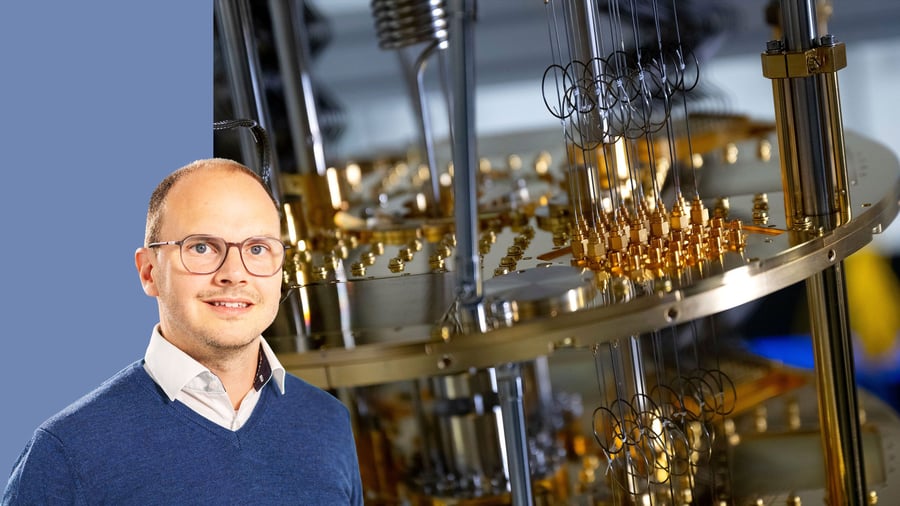
Der Wettlauf um die Schlüsseltechnologie entscheidet sich nicht allein im Labor. Alexander Glätzle, CEO des deutschen Quantencomputerherstellers Planqc, erklärt, worauf es jetzt ankommt.
Deutschland riskiert to lose its quantum computing lead, according to a recent report. The potential value of quantum technology for industries such as pharma and chemicals could reach several hundred billion dollars by 2035, according to McKinsey's Quantum Technology Monitor. The US government understands this potential and is actively working to establish a strong and fast ecosystem to harness quantum technology.
In June 2024, President Trump issued two executive orders to bolster the government's role in quantum technology. These measures include securing supply chains, defining standards, attracting talent, and purchasing quantum computers. The tight timelines are crucial in the global race: within 90 days, the Energy Department will set specifications for the planned quantum computer, and the Commerce Department will outline a supply chain plan.
Within 120 days, a joint plan for the development of central quantum technology components will be in place, involving the War, Trade, and Energy Departments, as well as the NSF, a federal agency dedicated to science and research.
This strategy is not just an administrative task; it aims to create an ecosystem that can foster a successful industry. The US government is doing what European deeptech startups have been calling for: creating reliable frameworks and mobilizing private capital as anchor institutions and investors. Unlike the market, the government is accelerating the process. China has long been integrating technology, state, and capital in this approach.
Written by urgent.news from Handelsblatt's reporting — not their text. Machine-written — may contain errors; check the original before relying on it.