From AI-generated tests to compensation: House panel’s NTA reform plan
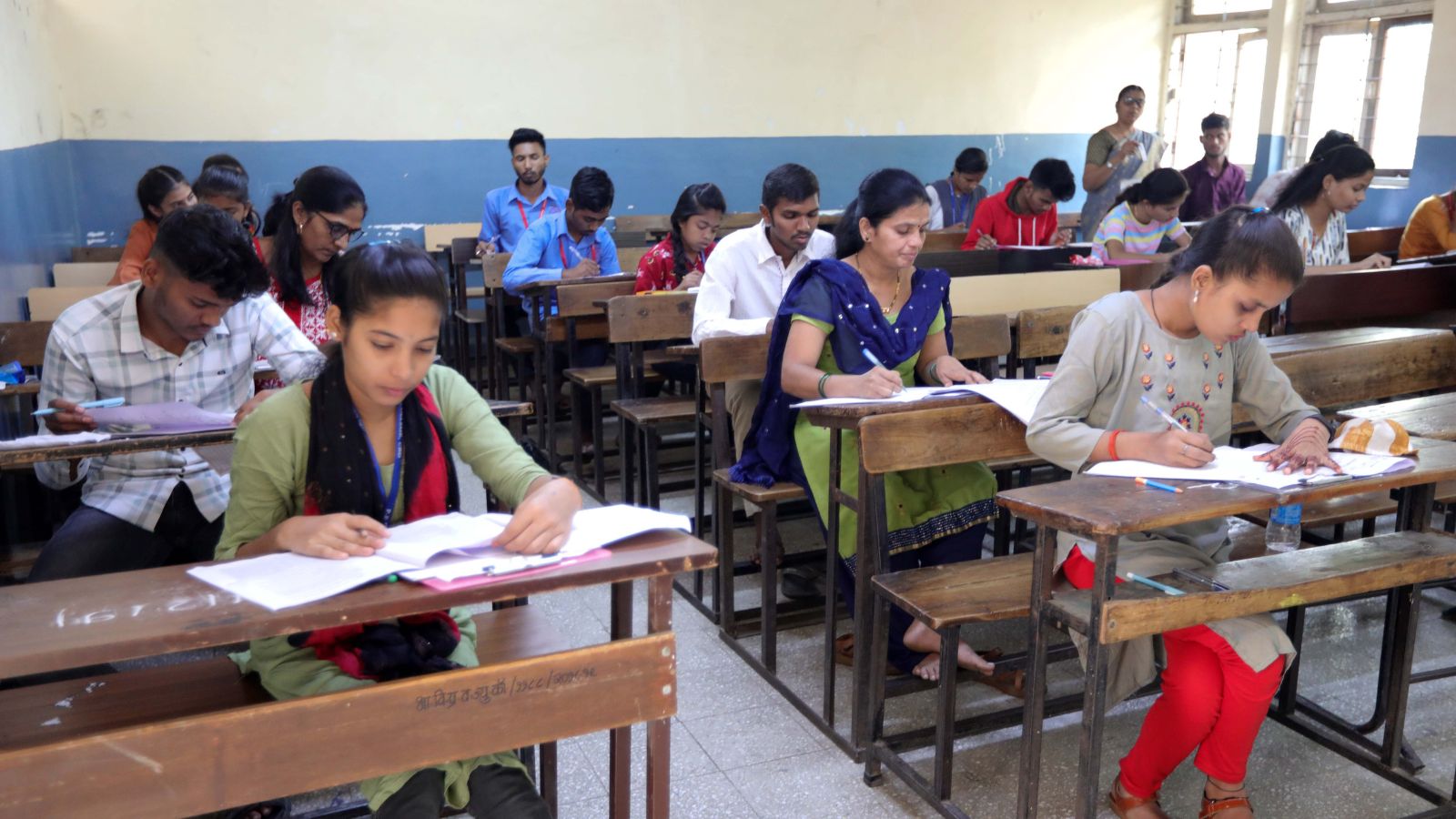
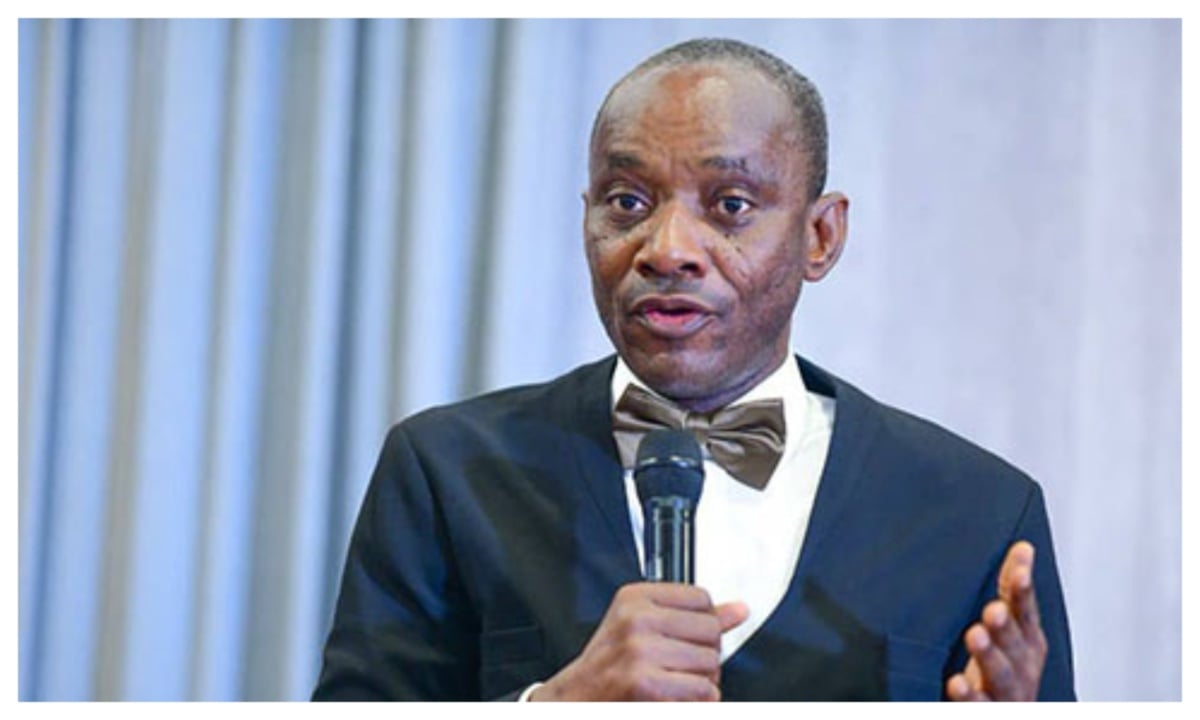
A Parliamentary Committee has called for major reforms to strengthen the credibility and accountability of the National Testing Agency (NTA) following numerous examination-related controversies. The Standing Committee, led by Mukul Wasnik, released its 382nd report, "Reforms and Strengthening of the National Testing Agency," recommending several changes to improve trust in NTA.
The panel urged NTA to improve its communication with students, parents, and teachers by making its feedback mechanisms more visible and accessible. The committee noted that NTA's current one-way communication through portals and notifications was insufficient to rebuild public trust. Additionally, the committee emphasized that NTA needed to cultivate a culture where all employees viewed themselves as guardians of examination integrity, rather than merely jobholders.
NTA has faced over 470 legal challenges, with 69 cases filed in the Supreme Court alone. The panel highlighted the need for further procedural and institutional reforms, particularly in light of the cancellation of NEET-UG 2026. The committee also recommended that NTA establish its own research wing staffed by academics specializing in education research rather than relying solely on bureaucrats and officers.
Furthermore, the committee suggested strengthening NTA's academic and research capabilities to enhance the conduct of its exams and support assessments conducted by other educational institutions. They recommended tracking data on candidates' success rates, rather than just registration numbers, and conducting an annual equity audit that examines participation rates, pass rates, and cutoff achievement rates across various demographic factors.
The panel also proposed that once NTA's digital infrastructure matures, examinations should transition to computer-based testing (CBT) using a Computer Adaptive Testing (CAT) model. This would minimize the risk of malpractice, as AI tools could select and adapt questions based on candidates' aptitude levels. However, the committee acknowledged the cybersecurity risks associated with CBT examinations and the need for robust security measures.
Written by urgent.news from The Indian Express - India's reporting — not their text. Machine-written — may contain errors; check the original before relying on it.