Frauengesundheit: Normal oder nicht? Wenn's „untenrum“ stärker riecht
Nicht nach Blumenwiese, sondern leicht säuerlich-herb: So riecht eine gesunde Vagina. Warum der Geruch nach dem Sex oft intensiver ist - und welche Duftnoten Frauen lieber ärztlich abklären lassen.
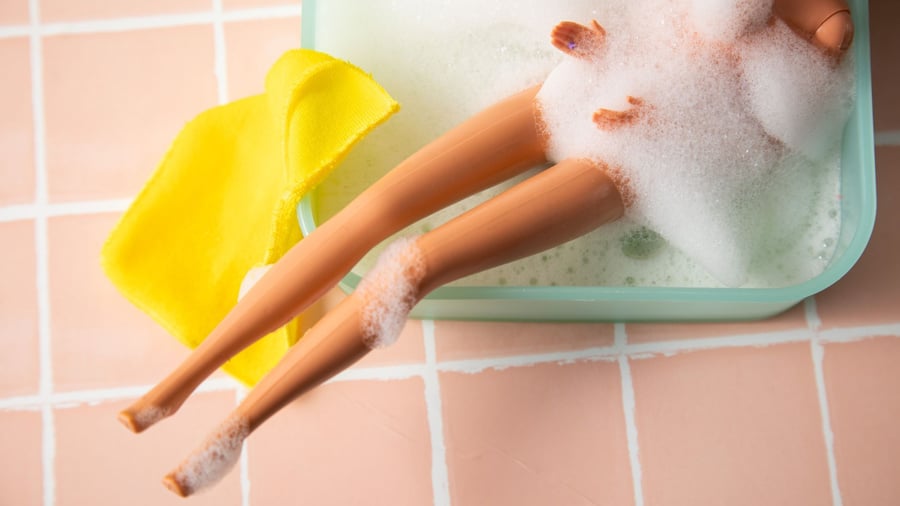
Many women are likely familiar with the phenomenon: after sex, an intensified odor arises from below. The explanation lies in the fact that semen is basic and can temporarily shift the pH level of the acidic vaginal environment, resulting in a change of scent. It is completely normal for women to experience a heightened vaginal odor temporarily, but they should not necessarily be overly concerned about it.
Other factors, such as menstruation, tight clothing, or sweating, can also influence the scent, according to gynecologist Stephanie Eder. "What matters is whether the odor fits the woman's usual pattern," says the expert from the Association of Women Physicians and Gynecologists (BVF). Crucial factor is the usual pattern The actual scent emanating from there is a combination of vaginal discharge that moistens and protects the intimate area, and secretions from the external genital region.
Additionally, the vaginal flora - the natural microbial inhabitants of the vagina - plays a role. This unique blend of vaginal secretions and vaginal flora determines the scent in the step. The odor varies individually and is influenced by factors such as age, hormonal status, menstrual cycle phase, or pregnancy, explains Stephanie Eder.
If the vaginal flora gets out of balance, the odor can change significantly or become unpleasant all of a sudden, such as fishy or putrid. Women should pay attention to such changes and seek expert advice. This is especially important if the unusual scent is accompanied by other symptoms like itching, burning, redness, pain, fever, or an unusual discharge.
These could indicate a bacterial vaginosis. The "good" lactic acid bacteria in the vaginal flora are then displaced by other bacteria. This condition can be treated with antibiotics. Keeping it clean: less is more When it comes to cleaning and caring for the intimate area, the motto should be: less is more. The vagina does not need to smell like a bouquet of roses.
Perfumed soaps and shower gels, internal vaginal showers, and intimate deodorants should be avoided by women. "The vagina is self-cleaning," says gynecologist Eder. Cleansing the outer part of the genital area with water and "maximum one mild, unscented soap" is sufficient. Women with sensitive vaginal flora are advised to avoid pantyliners, strings, and constricting underwear.
These can create a warm, humid environment that promotes the growth of bacteria that may not be helpful.
Written by urgent.news from Handelsblatt's reporting — not their text. Machine-written — may contain errors; check the original before relying on it.