Fires and cross-border haze: What can still be done
Southeast Asia’s latest haze crisis was entirely foreseeable. As millions choke beneath toxic skies, halting the blazes today must come before the inevitable, unsparing reckoning tomorrow.
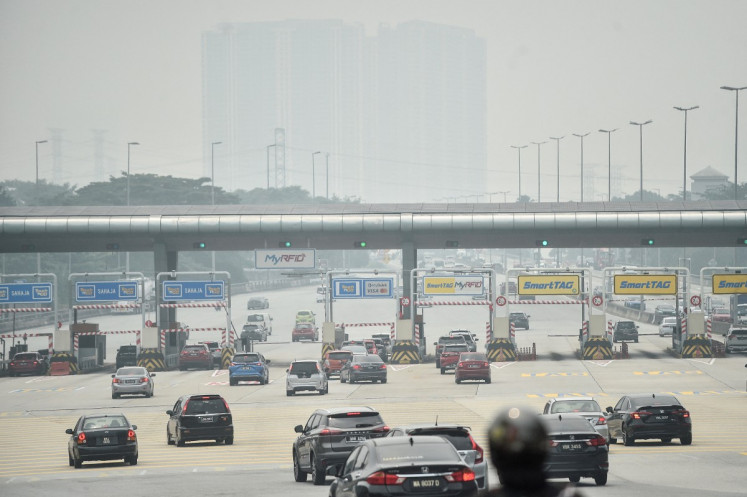
Southeast Asia grapples with a severe haze crisis, prompting urgent action to address the blazes and protect public health. The air quality in Central Kalimantan and Sumatra has reached hazardous levels, with the Air Pollution Standards Index (ISPU) surpassing 4,000 in some areas. Downwind regions, including Singapore, Malaysia, Metro Manila, Ho Chi Minh City, and southern Thailand, have also experienced unhealthy air quality. This crisis was predicted, and earlier intervention could have significantly reduced its impact.
In June, the Singapore Institute of International Affairs released a "red" alert in its Haze Outlook 2026, warning of acute risk. The World Resources Institute's Global Nature Watch platform provided continuous fire alerts and vegetative disturbance data via satellite tracking. Long-standing warnings of severe El Nino-induced droughts further heightened concerns.
Despite substantial investment in fire preparedness, implementation has been uneven, and preemptive safeguards have failed to contain the outbreak. Now, efforts must focus on aggressive fire suppression and preventing new blazes from igniting. Citizens in Indonesia, Malaysia, Singapore, and Brunei are understandably frustrated and seek solutions. The Jakarta Post invites readers to share their experiences, suggestions, and any encountered issues.
Written by urgent.news from The Jakarta Post's reporting — not their text. Machine-written — may contain errors; check the original before relying on it.