Finding Vermeer in Unexpected Places
Artists, filmmakers, poets, and the art market itself still bear traces of the Dutch painter’s influence, writes historian Ruth Bernard Yeazell in “Vermeer’s Afterlives.”
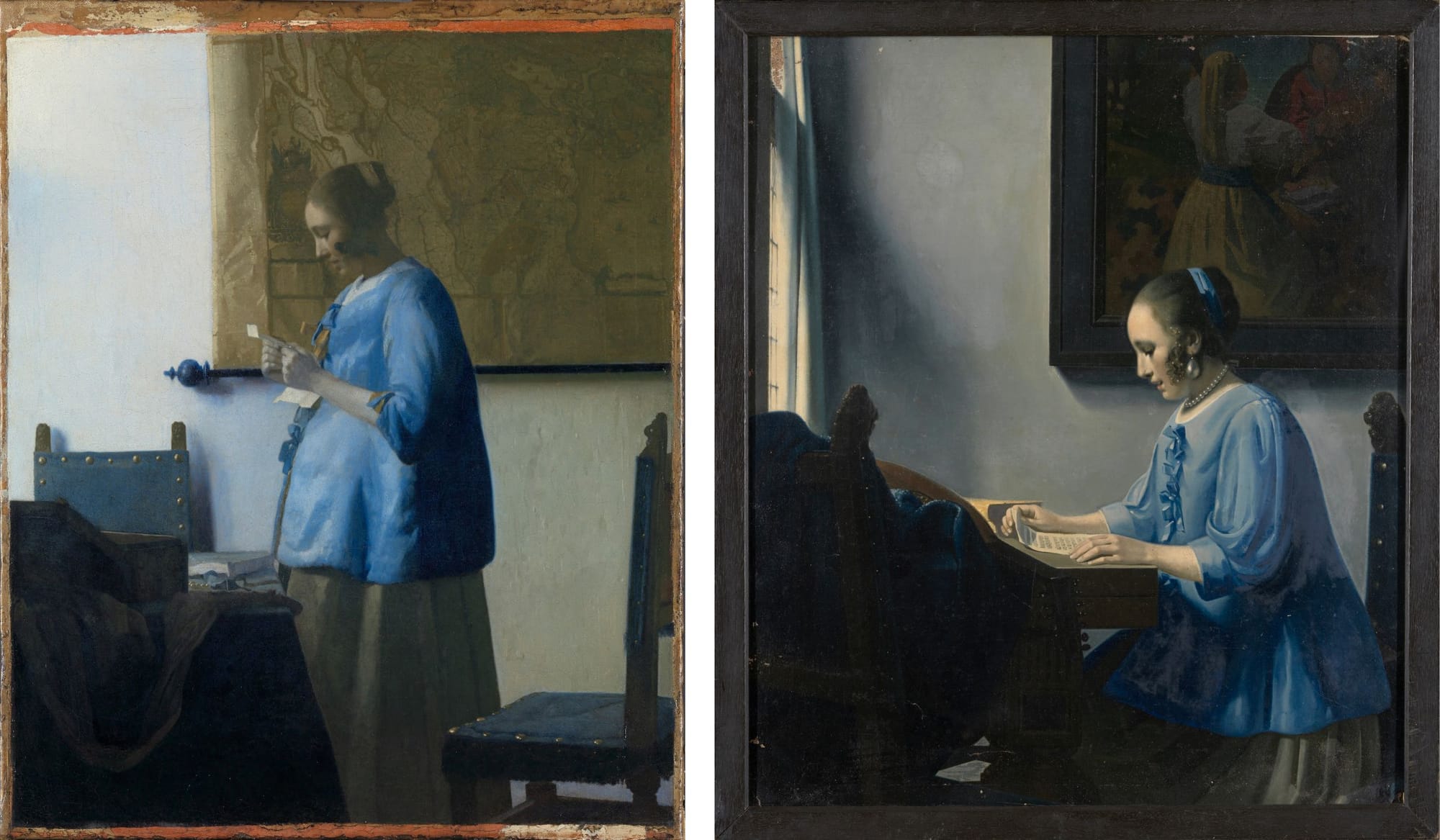
Johannes Vermeer, a Dutch painter known for his enigmatic interior scenes, gained fame only in the mid-19th century. Before then, he was a footnote in art history, having died deeply in debt at 43 years old in 1675. Parisian critic Théophile Thoré was the one to rediscover Vermeer's work, proclaiming that this unknown artist deserved to be known.
Vermeer's limited number of attributed paintings and his vague biography have only fueled more questions than answers in the three and a half centuries since his death. His mysterious works have also inspired a wealth of visual art, cinema, poetry, and literature. Mary Cassatt noted that Edgar Degas's work, Madame Théodore Gobillard (1869), shared similarities with Vermeer's style and was just as interesting.
The impact of Vermeer's art is explored in detail by scholar Ruth Bernard Yeazell in Vermeer's Afterlives (2026). This richly illustrated book delves into the artist's enduring and widespread influence through a careful examination of works that have adopted his shadow. Yeazell focuses on recurring themes such as Vermeer's solitary female figures illuminated by daylight through windows and his commitment to open-ended interpretation rather than a singular narrative.
Written by urgent.news from Hyperallergic's reporting — not their text. Machine-written — may contain errors; check the original before relying on it.