Fed’s Hammack: Hope to cool demand, and inflation, without job market pain
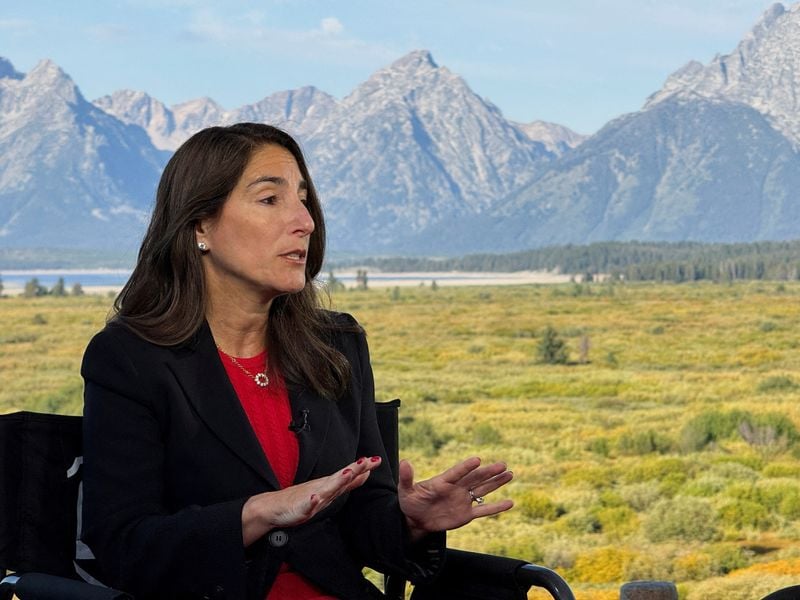
Federal Reserve President Beth Hammack expressed her hope that the Central Bank could reduce inflation without negatively impacting the job market. However, she noted that this might require curbing the rapid growth of corporate investment or the wealth gains that are driving personal consumption. These factors are currently fueling demand and helping sustain inflation that is hovering in the 2.5%-to-3.0% range, as Hammack explained in a Reuters interview.
Hammack stated that conversations with business leaders have shown more optimism about the economy than discussions about a potential slowdown. Despite this, she emphasized her desire to maintain growth at a pace that doesn't put excessive pressure on prices. She clarified that she is not aiming to halt growth but instead seeks to decelerate it slightly to avoid excessive pricing pressure.
Hammack suggested that cooling down corporate investment could help reduce inflation without significantly affecting the consumption side. She expressed uncertainty about which aspect—capex or consumption—would need to experience a pullback, stating that any reduction in activity on either side would be beneficial. She also indicated her openness to considering rate hikes during the upcoming Fed meeting on October 27-28, even though she is a voter on rate policy and previously dissented in favor of a rate increase in July.
Hammack's remarks stand out as among the most direct from a Federal Reserve official regarding the necessity of curbing demand through restrictive monetary policy. She highlighted that the central challenge lies in confronting high inflation while maintaining a labor market that is stable around full employment. Her focus is currently on addressing inflation in a deliberate manner to prevent weakening the labor market unnecessarily.
The consumer spending sector appears to be largely supported by the top income bracket and by the wealth effect, according to Hammack. She believes both the consumption side and the investment side are driving the economy at present. Traditionally, policymakers have viewed a tradeoff between inflation and unemployment, where higher unemployment indicates economic slack that dampens demand and, consequently, price pressures.
However, since the COVID-19 pandemic, there has been a shift in perspectives on how to achieve the inflation target while preserving full employment. Some argue that monetary policy can influence inflation through an expectations channel by anchoring inflation expectations, thereby encouraging businesses and households to moderate their price and wage demands.
Written by urgent.news from Investing.com's reporting — not their text. Machine-written — may contain errors; check the original before relying on it.
This story
This is one outlet's version. Read the fullest account.