FCC plans to force electronics testing out of China by 2028, potentially raising costs for consumers
The restrictions would cover test labs and certification bodies in countries that deny reciprocal treatment to their US counterparts. Chairman Brendan Carr says fewer than 4% of electronic devices are tested in American labs. Read Entire Article
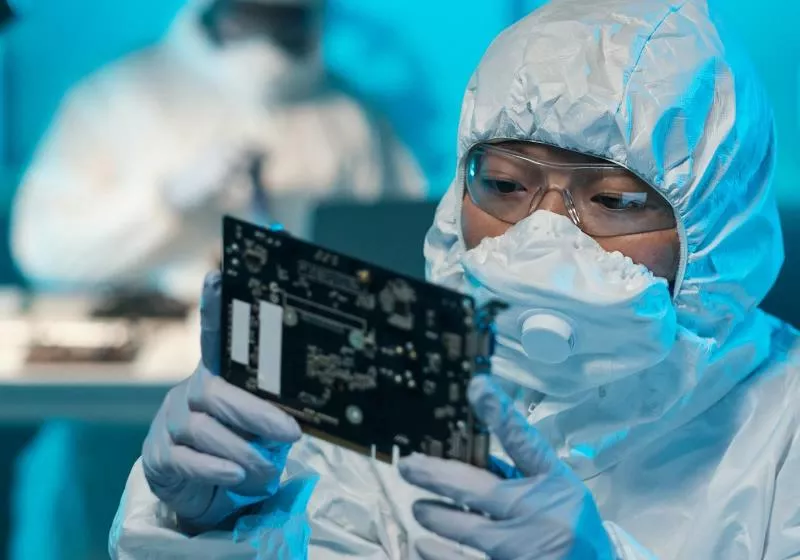
The FCC is set to mandate the relocation of electronics testing facilities outside of China by 2028, a move potentially increasing consumer costs. During a vote on October 29, the commission will adopt rules requiring manufacturers to move testing out of the Asian nation. Currently, 82% of devices authorized in 2023 underwent testing in China, which could create logistical challenges for affected companies.
The restrictions would apply to test labs and certification bodies in countries that do not reciprocate treatment for US counterparts. FCC Chairman Brendan Carr highlights that less than 4% of electronic devices are currently tested in American labs. In May 2025, the FCC initially targeted labs owned, controlled, or directed by blacklisted companies and foreign adversary governments.
In April 2026, the FCC expanded these restrictions to include every lab in China, and now, the latest action will turn this proposal into adopted rules if commissioners approve the draft, with a transition ending by December 1, 2028. The broader proposal focuses on where testing occurs, limiting recognition to US labs or those with reciprocal recognition agreements.
While Western companies operating labs in mainland China would still be affected, mainland China itself remains excluded. The draft would prohibit approved labs from conducting substantive certification work in excluded countries, including measurements, technical analysis, and test report preparation, while routine administrative work and research testing outside of certification processes would remain exempt.
The FCC justifies the move by citing security and disruption risks associated with concentrating testing in one country. The agency has already suspended recognition for 29 labs due to earlier ownership restrictions, but most Chinese facilities remain eligible. The proposed transition provides manufacturers approximately two years to find alternatives, and existing certifications would remain valid, preventing sudden re-certification requirements for already approved devices.
However, future hardware clearance could face obstacles due to potential added expenses and delays, particularly for smaller companies. Although consumers will retain their existing devices, the cost of approving new ones may eventually trickle down to store shelves.
Written by urgent.news from TechSpot's reporting — not their text. Machine-written — may contain errors; check the original before relying on it.