Environment Minister calls for transparency in Ghana’s GMO adoption
Dr Zanetor Agyeman-Rawlings, the Minister of Environment, Science and Technology, has called for greater transparency in Ghana’s adoption of genetically modified organisms (GMOs), including clear labelling and public education to enable consumers to make informed choices.
Dr. Zanetor Agyeman-Rawlings, Ghana's Environment Minister, has advocated for increased transparency in the nation's adoption of genetically modified organisms (GMOs). This includes clearly labeling GMO products and educating the public to empower them to make informed decisions about consumption. The minister emphasized that consumers have the right to know whether products they purchase contain GMOs, and that non-GMO certification requirements should apply not only to export-bound products but also to those intended for the domestic market.
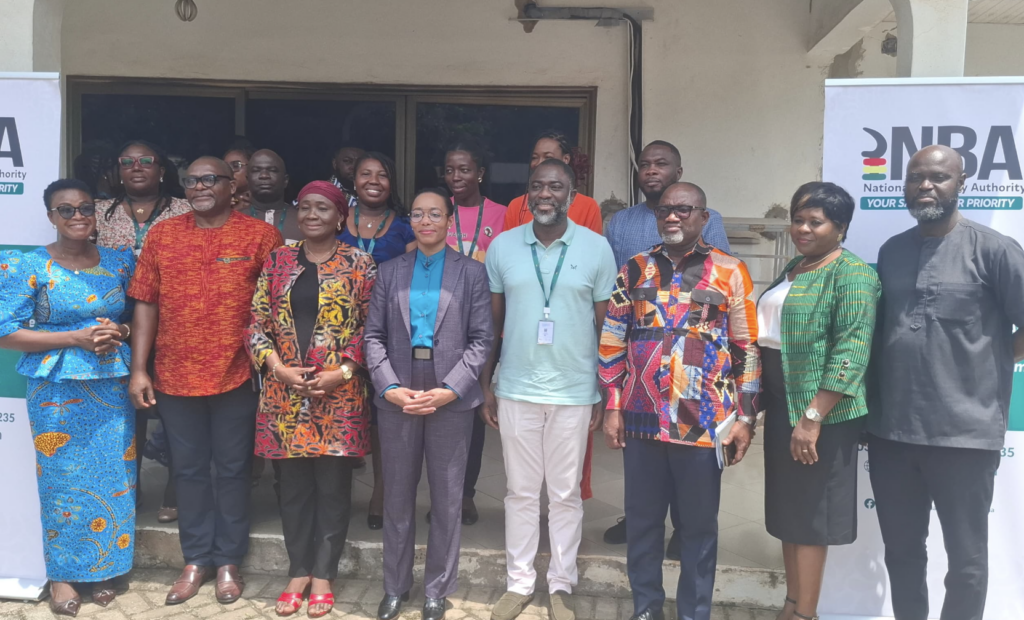
During a visit to the National Biosafety Authority (NBA) in Accra, the minister stated, "When we shroud things in secrecy, we create mistrust." GMOs are organisms whose genetic makeup has been altered using modern biotechnology to achieve specific traits, such as resistance to pests or tolerance to herbicides. In May 2024, the High Court validated the NBA's approval of 14 genetically modified crop events.
Dr. Agyeman-Rawlings highlighted the necessity of continuous public education to help people comprehend biotechnology's broader applications, including pharmaceuticals and vaccines. She stressed that transparency would foster confidence in the regulatory bodies overseeing these technologies. The minister also urged the NBA to broaden its outreach efforts beyond conventional newspaper publications, using social media and other platforms to disseminate information.
To address concerns about secrecy, the minister called for the NBA to explore establishing specific areas for GMO cultivation to enhance monitoring and minimize the risk of cross-contamination with native plant varieties. Earlier, during a visit to the Nuclear Regulatory Authority (NRA), she called for more frequent inspections of facilities and activities involving radioactive materials, arguing that the current inspection intervals of one to three years were inadequate given the potential risks associated with radiation exposure.
She urged the NRA to boost public education to clarify its regulatory role and differentiate it from that of the Ghana Atomic Energy Commission (GAEC).
The minister further advocated for stronger collaboration with educational institutions to foster the development of a skilled workforce for Ghana's nuclear science and technology programs. She emphasized the importance of retaining nuclear science professionals within the country to support long-term nuclear power ambitions. During a presentation, the NRA reported issuing 312 permits for the design, transport, and importation of radioactive devices.
The Authority had drafted seven regulations submitted to Parliament, which are pending finalization, and sought support to ensure their passage.
Written by urgent.news from MyJoyOnline Ghana's reporting — not their text. Machine-written — may contain errors; check the original before relying on it.