El Nino breaks Pacific temperature record as weather pattern intensifies
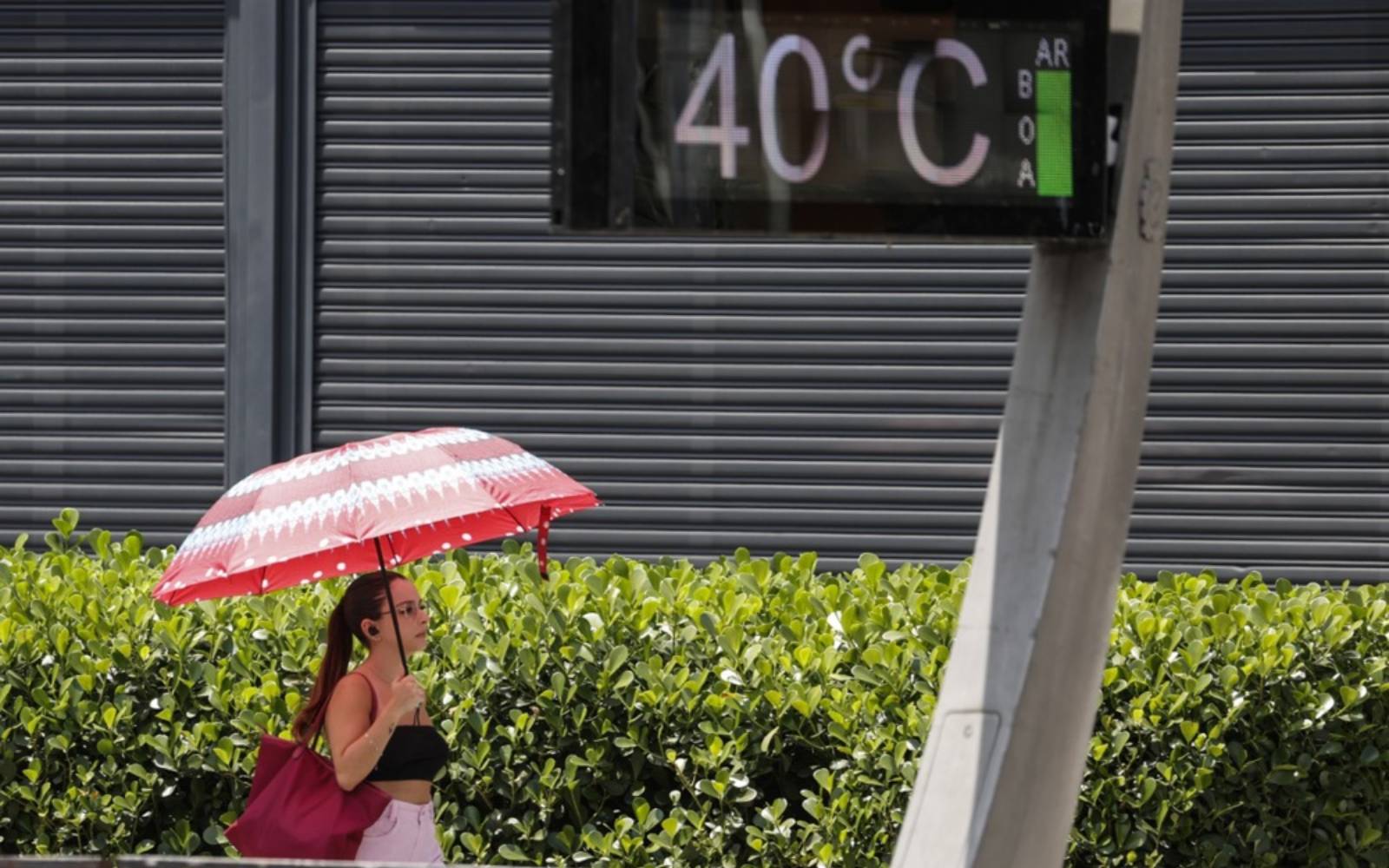
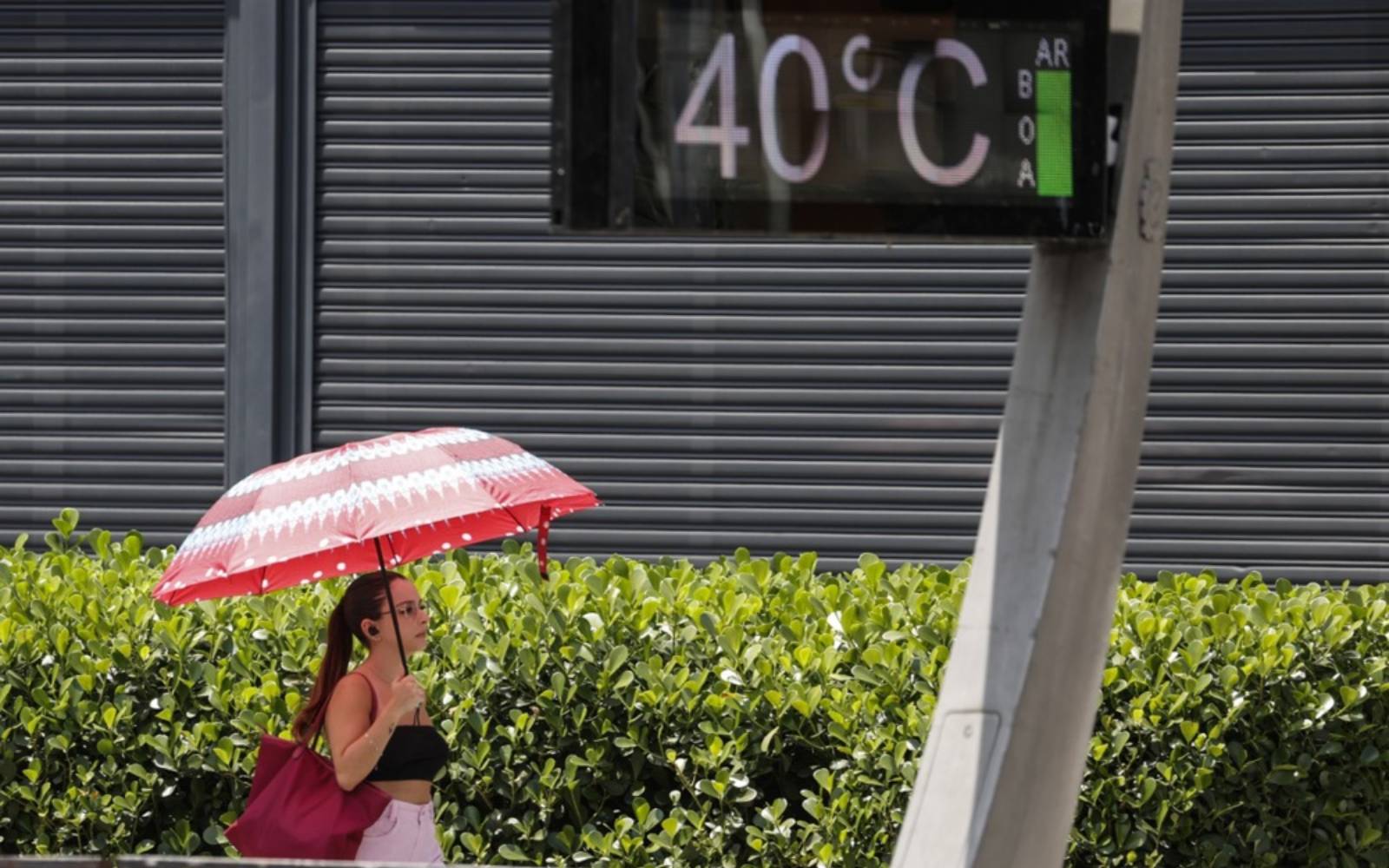
An intensifying El Nino pushed sea surface temperatures in a key Pacific monitoring region to a record 29.70C in September, the EU’s Copernicus climate service said Monday. Forecasters expect the weather pattern, which raises drought and flood risks and exacerbates global warming, to become the strongest ever recorded this year.

In September, a powerful El Nino event shattered a temperature record in a crucial Pacific zone, according to the European Union's climate monitor. This marks the second hottest September on record globally, with average sea surface temperatures climbing to 29.70C in the Nino3.4 monitoring region, surpassing previous strong El Nino episodes.
The Copernicus Climate Change Service, which reported the record, cautioned it cannot definitively declare this El Nino the strongest on record, citing the influence of climate change on ocean temperatures. Despite this uncertainty, the current event's intensity is already exceptional, especially as it has not yet peaked. September's global average sea surface temperature hit a record high of 21.05C, surpassing the previous peak of 20.92C in September 2023.
The world experienced its second hottest September overall, with surface air temperatures averaging 16.27C, 1.63C above the pre-industrial average. The Paris Agreement of 2015 aimed to keep global warming "well below 2C" above pre-industrial levels, with a target of 1.5C if possible. However, the UN declared in September that this ambitious goal would likely be missed within years.
Copernicus Director Carlo Buontempo warned that the world is "in a new run of months above 1.5C," and a strong El Nino could persist into 2027. Mitigating the impacts of climate change hinges on reducing greenhouse gas emissions from fossil fuels to shorten the "overshoot" period and restore temperatures to safer levels.
Written by urgent.news from Free Malaysia Today's reporting — not their text. Machine-written — may contain errors; check the original before relying on it.
This story
This is one outlet's version. Read the fullest account.
- EU monitor reports record El Nino temperature in key Pacific zone freemalaysiatoday.com