Due to high cost, 25pc of cancer patients at Karachi's JPMC abandon treatment, experts say
KARACHI: Around 25 per cent of cancer patients at the Jinnah Postgraduate Medical Centre (JPMC) are unable to complete their treatment, speakers said on the concluding day of a two-day conference, attributing the situation to the high cost of newer therapies and inconsistent philanthropic assistance. The event titled Breastcon 2026 was organised by JPMC. According to speakers, while the…
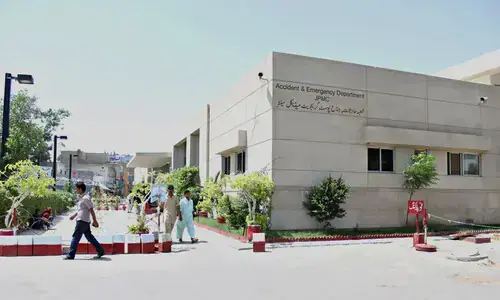
Karachi: At the Jinnah Postgraduate Medical Centre (JPMC) in Karachi, roughly 25 per cent of cancer patients are unable to finish their treatment, according to presentations at the Breastcon 2026 conference. The issue, speakers say, stems from the high expense of advanced therapies and uneven charitable aid. The JPMC, the province's biggest tertiary-care public hospital, provides surgery and radiotherapy free of charge, but the steep price of newer immunotherapies and targeted therapies pushes many patients to halt treatment.
JPMC's oncology department head, Dr Ghulam Haider, urged the government for ongoing support to help patients complete treatment. "Cancer care at JPMC is funded by philanthropists, charities, and Zakat funds, yet this aid is not consistently available," he noted. "Gaps in medicine supplies and funding may interrupt treatment and impact its results."
The total cost of comprehensive cancer care, encompassing surgery, radiotherapy, medications, and injections, varies between Rs3 million and Rs4 million. Dr Saima Zahoor, an assistant professor of medical oncology and co-chair of the conference, revealed that over 60 per cent of breast cancer patients experience delays in diagnosis or treatment.
Factors such as social pressure, fear, misconceptions, and treatment costs contribute to these delays. Dr Sana Zeeshan from Aga Khan University Hospital recommended establishing a national breast cancer registry that integrates data from public, private, and charitable hospitals to identify gaps and direct research. Dr Najeeb Naimatullah of Shaukat Khanum Hospital called for organized screening, access to high-quality local and generic medicines, and consideration of patients' financial situations in treatment.
The chief guest, Dr Tariq Rafi, the chairman of the Sindh Higher Education Commission, called for enhanced screening, collaboration between institutions, and medical research, offering the commission's backing to researchers through available funding.
Written by urgent.news from Dawn's reporting — not their text. Machine-written — may contain errors; check the original before relying on it.
This story
This is one outlet's version. Read the fullest account.