Drought hits mulberry yield in Karnataka by about 50%
Farmers across the silk belt have complained that the dry spell and reduced greenery have increased thrips and mites across their fields
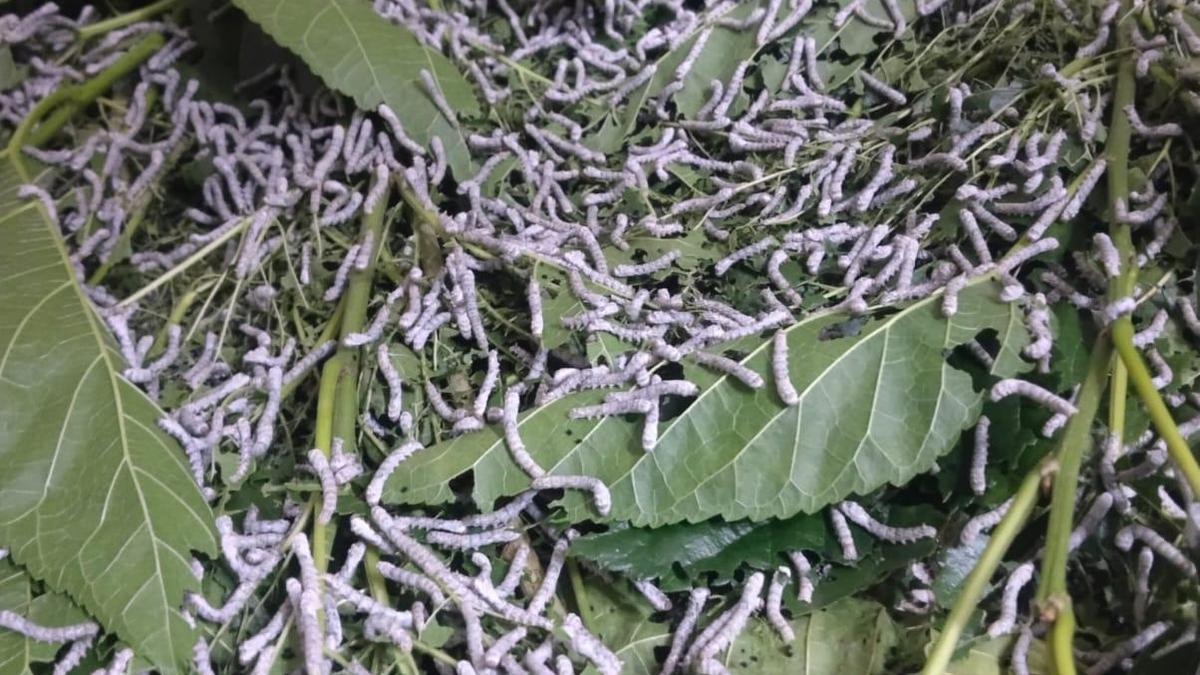
Around 50% of the mulberry yield in Karnataka has been affected by thrips and mites due to the ongoing drought, according to farmers and officials from the Department of Sericulture. The department has not yet conducted a technical assessment of the loss of plants and silk cocoons, but farmers have reported that the dry spell and decreased greenery have led to an increase in thrips (Pseudodendrothrips mori) and mites (such as the yellow mite, Polyphagotarsonemus latus) across their fields.
Under normal tropical irrigated conditions, farmers in Karnataka typically harvest between five to six silk cocoon crops per year. The total mulberry area across the state covers over one lakh hectares, with an average annual silk production of 13,275 tonnes. Chikkaballapura, Kolar, Ramanagara, and Mandya are the leading districts in sericulture.
Farmers have blamed the mite attacks on reduced greenery and dry conditions, which have in turn reduced the yield of mulberry leaves by nearly 50%. The Department of Sericulture has advised farmers to use neem oil to control mite infestations, while Deputy Director Kailasamurthy attributed the increase to extreme heat in August and September.
Last year, the Ramanagara market received 60 tonnes of silk cocoons daily; this year, that number has dropped to 40 tonnes. Proper care, such as providing sufficient water to mulberry plants and maintaining the required temperature in the silkworm rearing room, can help farmers produce healthy cocoons that can earn them ₹4 lakh per acre annually.
The price of cocoons has increased due to low supply and high demand; as of October 7, the price of bivoltine cocoons reached ₹1,120 per kg, a record high.
Written by urgent.news from The Hindu's reporting — not their text. Machine-written — may contain errors; check the original before relying on it.