Don’t leave Asia’s ageing debate until it’s too late
Last month, Japan’s internal affairs ministry released its yearly data ahead of Respect for the Aged Day. People aged 65 and over now make up a record 29.6 per cent of the population. But the figure I keep coming back to was this: 9.43 million Japanese workers were 65 or older last year, about 13.8 per cent of everyone with a job. Members of Japan’s older population are not simply retired. A…
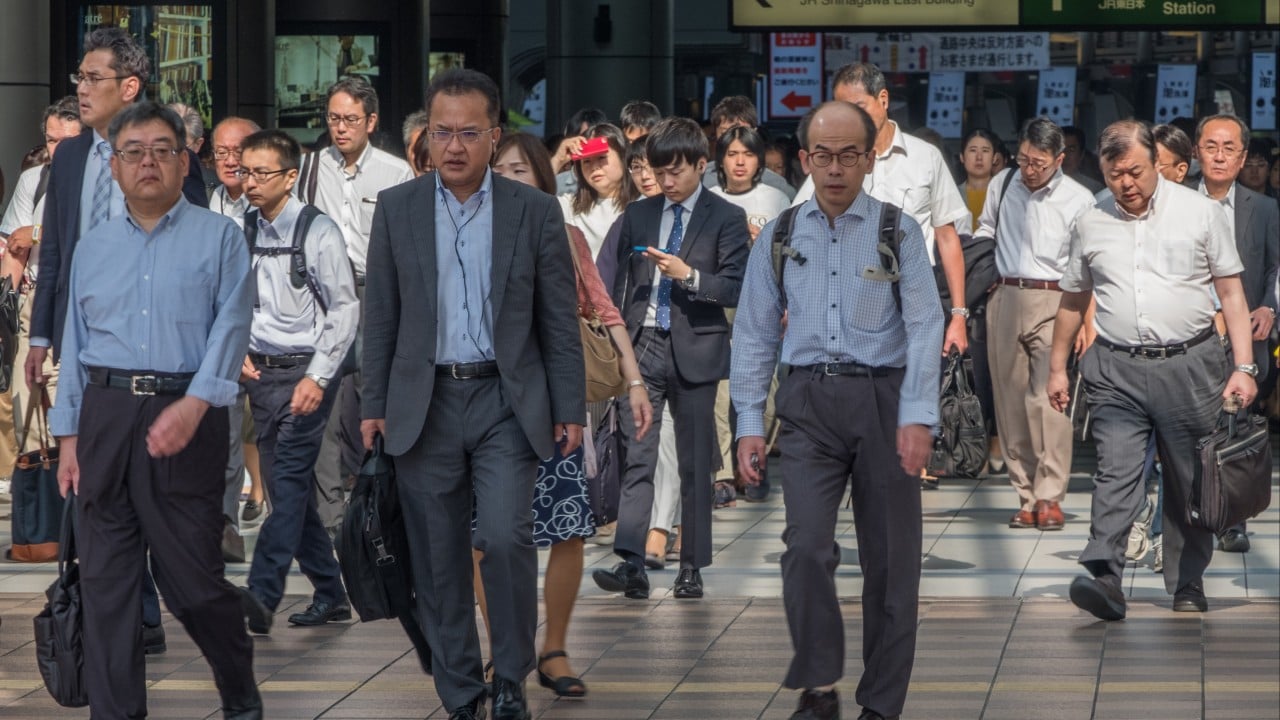
Japan’s internal affairs ministry recently published data showing that people aged 65 and above now account for a record 29.6 percent of the country’s population. However, what stands out is that 9.43 million Japanese workers were 65 or older last year, representing about 13.8 percent of all employed individuals. Japan's aging population is not simply made up of retired individuals; a significant portion remains in the workforce, and these older workers are often vital to businesses.
The Asia-Pacific Regional Conference on Population Ageing, taking place in Hangzhou, China, aims to address how ageing is transforming labor markets and public finances throughout the region. Organizers emphasize the need to consider what happens when the person who keeps a family or company together falls ill at a younger age, as seen when the reporter, at 37, was hospitalized after building companies across three nations.
Researchers at the Mayo Clinic found that the gap between life expectancy and healthy life expectancy grew to 9.6 years by 2019, largely due to noncommunicable diseases that develop quietly during midlife. In Thailand, the World Bank projects that the population aged 65 and above will rise from 13 percent in 2020 to 31 percent in 2060, while the working-age population will decline from 71 percent to 56 percent.
This demographic shift raises concerns about the healthcare system and the economy. As the Asia-Pacific region sees one in four people over 60 by 2050, governments and businesses must take proactive measures. Family offices often focus on succession planning but rarely consider the long-term health of key individuals, who should be included in risk assessments.
Regular health check-ups in midlife can provide valuable insights for future planning. Prevention should not be viewed as a luxury, especially for those still in the workforce. By starting the conversation about ageing at a younger age, delegates in Hangzhou can work towards building a more resilient future for the Asia-Pacific region.
Written by urgent.news from South China Morning Post's reporting — not their text. Machine-written — may contain errors; check the original before relying on it.