Die EU begrenzt chinesische Autoimporte, für die Konsumenten könnte es teurer werden
China und die EU haben sich auf Importbeschränkungen bei Hybrid- und Plug-in-Hybrid-Autos geeinigt. Am Montag wurden die Details der Übereinkunft bekannt. Der freie Welthandel erleidet einen weiteren Rückschlag.
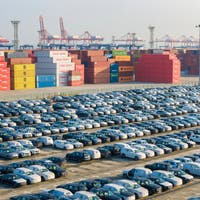
The European Union has limited Chinese imports of hybrid and plug-in hybrid cars, potentially leading to higher costs for consumers. This development follows a recent agreement between China and the EU, which comes as European car manufacturers have seen a significant decline in sales to China over the past two years. The EU aims to address the issue of deindustrialization in Europe, as China has been exporting a substantial amount of goods to the EU.
The agreement stipulates that only 350,000 Chinese hybrid and plug-in hybrid cars will be allowed to enter the EU by 2027, with annual increases limited to 6% until 2030. While this measure places restraints on China's auto industry, it also serves as compensation for the various subsidies received by Chinese auto manufacturers.
Despite the EU's efforts to persuade China to open up its market for European products, China has agreed to the limitation, likely due to the continent being its largest importer of hybrid cars. The EU aims to create a protective measure for a vulnerable sector, which includes Japan and South Korea, while also ensuring that the limits apply to anyone who tries to circumvent the regime by manufacturing in other countries.
However, the ultimate loser in this scenario is the consumer, as Chinese cars will become more expensive due to import restrictions, tariffs, and lower production costs in Europe.
Written by urgent.news from NZZ Wirtschaft's reporting — not their text. Machine-written — may contain errors; check the original before relying on it.