‘Delete, retract, apologise’ – Agyinasare urges Ghanaians to take responsibility for misinformation
Archbishop Charles Agyinasare has urged Ghanaians to take responsibility for misinformation they share by deleting false posts, retracting inaccurate claims and apologising to people harmed by their actions.
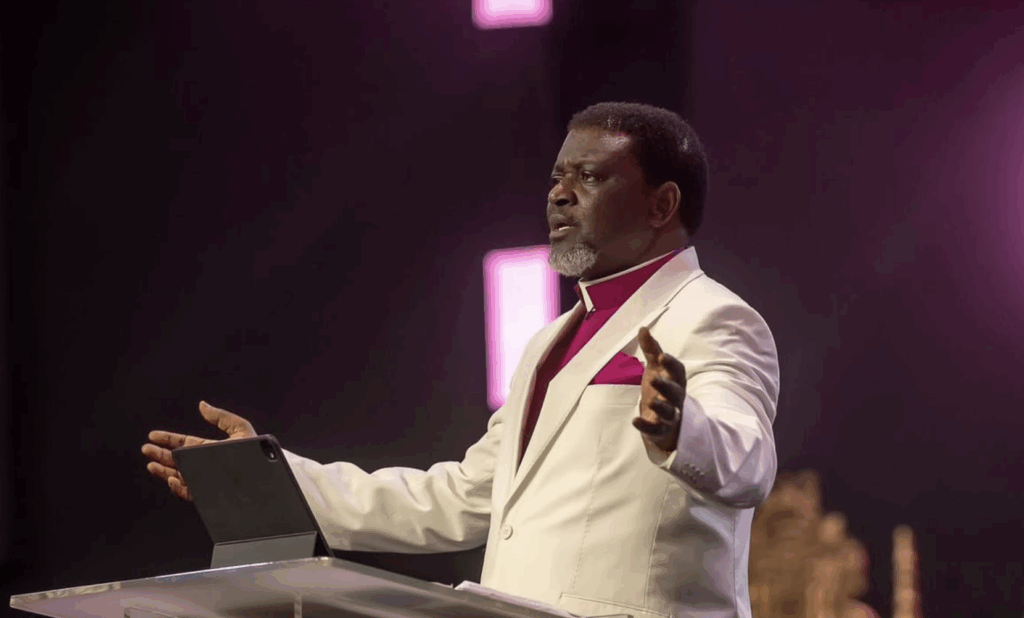
Archbishop Charles Agyinasare has implored Ghanaians to take personal responsibility for the misinformation they share online. He warned that simply feeling regret upon discovering false content is not enough; he urged them to take deliberate actions to correct the misinformation and mitigate the damage caused. During his sermon on Sunday, October 11, titled "The Venom of Falsehood – When Lies Become Weapons of Destruction", the archbishop called for an end to the spread of falsehoods, especially through unverified messages and misleading content on social media platforms.
He detailed practical steps to follow when one realizes sharing false information, such as deleting the post if possible, notifying those who received the false data, apologizing to those affected, and rectifying the misleading impression. The preacher emphasized the necessity of accepting responsibility for the repercussions of one's words rather than allowing false information to remain unchecked.
He also cautioned against half-truths, pointing out that even if some details in a statement are accurate, the overall message can still misrepresent events if crucial context is omitted. Archbishop Agyinasare illustrated this point with examples of genuine photographs with false captions and edited recordings that distort someone's statements.
He pointed out that the presence of truthful details does not automatically make an entire account accurate or fair. He cautioned against selectively presenting facts to support a specific narrative, emphasizing that such actions can tarnish reputations, break relationships, and cause innocent individuals to suffer. Archbishop Agyinasare used the biblical story of Joseph to demonstrate the detrimental impact of false accusations, highlighting how a false allegation can lead to grave consequences for an innocent person, particularly when the claim is accepted without proper verification.
He urged social media users and the general public to verify information and consider its context before forwarding messages or publishing accusations against others. He encouraged people to determine if they were certain about the veracity of a claim, whether they had checked the source and context, and whether sharing it would appropriately address the issue or merely spread an unfounded accusation.
Archbishop Agyinasare stressed the public's duty to exercise caution before disseminating information that could tarnish someone's reputation, relationships, or well-being. He also cautioned against responding to false accusations with further falsehoods, urging individuals to defend themselves truthfully without exaggerating the actions of their accusers or spreading additional misinformation to clear their names.
He firmly stated that correcting false information is not just an option but a fundamental part of taking personal responsibility for one's actions.
Rewritten by urgent.news; may contain errors — check the original.
Source: myjoyonline.com
This story
This is one outlet's version. Read the fullest account.