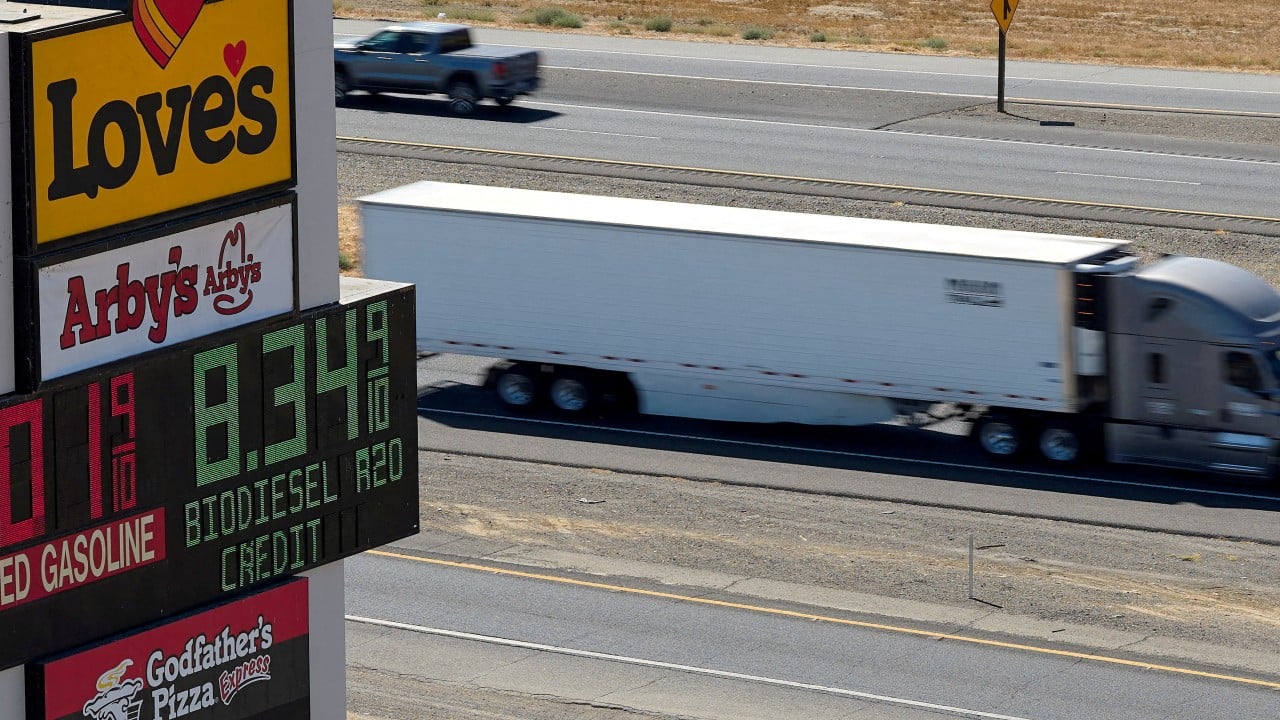
Current price of oil as of October 12, 2026
When oil prices change, it affects your energy costs—and even the price of everyday items. Here’s why.
On October 12, 2026, the price of oil was $108.04 per barrel, according to a report from October 12, 2026. This marked a $2.32 increase from the previous day's price of $105.72. Over the past year, the price of oil had risen by approximately $44.50, reaching a $63.49 per barrel mark as of October 12, 2026. Over the course of a year, the cost of oil had surged by roughly 70.16% compared to October 12, 2025.
Although predicting future oil prices remains elusive, it is primarily influenced by supply and demand factors. When concerns about economic downturns, conflicts, or other disruptions are high, the trajectory of oil prices can become unpredictable and volatile.
The price of oil ultimately gets passed down to consumers at the gas pump. Along with crude oil, factors such as refining, distribution, taxes, and local gasoline station markups all contribute to the final price. When oil prices rise, gas prices typically follow suit. Moreover, when oil prices drop, it takes time for gas prices to adjust accordingly.
The U.S. Strategic Petroleum Reserve, a stockpile of crude oil, serves as an emergency resource aimed at maintaining energy security during crises like sanctions, natural disasters, or even wartime situations. Though not a long-term solution, it provides immediate relief to consumers and supports critical industries, emergency services, and public transportation.
Oil and natural gas are both vital energy sources. Shifts in oil prices can have cascading effects on natural gas, particularly when industries seek to substitute natural gas for oil in certain operations, thereby increasing the demand for natural gas. As far as historical performance goes, oil has demonstrated notable fluctuations due to events such as wars, supply restrictions, global recessions, and oversupplies.
For instance, the first major oil shock in the early 1970s, triggered by the Middle East's export cuts during the Yom Kippur War, led to a surge in prices. Conversely, the mid-1980s witnessed a decline in oil prices due to lower demand and an influx of non-OPEC producers. The oil price peaked again in 2008 amidst rising global demand, but it subsequently plummeted alongside the global financial crisis.
During the COVID-19 pandemic's nationwide lockdown in 2020, oil demand plummeted to unprecedented levels, pushing prices below $20 per barrel. In summary, oil's historical performance has been marked by significant volatility driven by a myriad of factors, including geopolitical events, economic conditions, and energy policies.
Written by urgent.news from Fortune's reporting — not their text. Machine-written — may contain errors; check the original before relying on it.