Co-care scheme may help prevent 9% of stroke, heart failure cases in next decade
About 9 per cent of stroke and heart failure cases may be prevented in Hong Kong over the next decade through a government co-care scheme, according to a university projection. Launched in 2023, the Chronic Disease Co-care Scheme has enrolled over 200,000 residents as of January. Originally a pilot scheme, it was regularised in March, with around 40 per cent of those who completed screening…
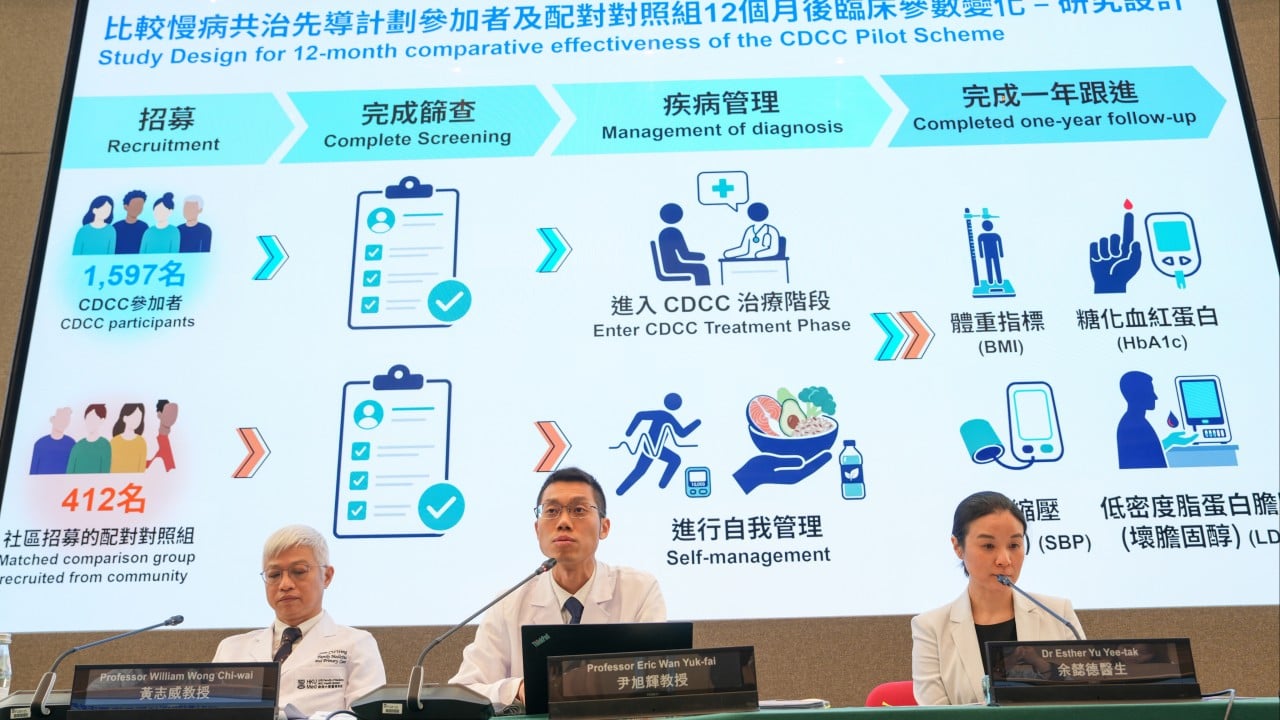
A government co-care initiative in Hong Kong aims to avert approximately 9% of stroke and heart failure cases over the upcoming decade, according to a university projection. The Chronic Disease Co-care Scheme, which began in 2023, has already accumulated over 200,000 enrollees as of January. Initially a pilot program, it was formalized in March, with around 40% of screened participants diagnosed with diabetes, hypertension, or pre-diabetes.
Clinical Professor William Wong Chi-wai of the University of Hong Kong's department of family medicine and primary care explained that the co-care scheme facilitates early management for undiagnosed individuals via a multidisciplinary team, thereby comprehensively controlling cardiovascular risks. This effectively reduces mortality and complications associated with diabetes and hypertension, he added.
The scheme is part of the Health Bureau's primary healthcare co-care network, which will span five years and is projected to benefit 700,000 residents. Operated by family doctors, participants aged 45 and above receive subsidized screenings for diabetes, high blood pressure, and high blood lipids. Upon diagnosis, they receive subsidized treatment and necessary lab tests.
A 10-year HKU projection, based on an assumed baseline of 200,000 participants and medical literature, predicts the scheme will prevent 502 strokes, 591 instances of Type 2 diabetes, 253 heart failure cases, 170 peripheral vascular disease cases, and 581 chronic kidney disease cases, translating to an 8-10% decrease in disease risk. Chronic kidney disease reductions represent a 3% dip.
Alex Chu Man-yan, a 51-year-old beauty industry professional, joined the scheme after experiencing occasional dizziness. Referring to a friend, he underwent subsidized screening and was diagnosed with diabetes. Following a personalized treatment plan by his family doctor, Chu received regular blood tests, eye checks for diabetic complications, and dietitian consultations.
Notably, he noted the co-payment model's affordability, with consultation sessions costing around HK$100 (US$13). Chu also joined a health run organized by the district health center. His blood sugar levels significantly decreased, along with enhancements in physical stamina and mental health, leading to a transformed lifestyle.
According to an HKU analysis, participants with diabetes experienced significant improvements in risk factors, including lower blood pressure and blood lipid levels after one year of follow-up appointments. Dr. Esther Yu Yee-tak of the bureau's primary healthcare commission emphasized that cardiovascular disease, despite being Hong Kong's leading killer, is preventable through early identification of hidden risk factors, including diabetes and high blood pressure.
Written by urgent.news from South China Morning Post's reporting — not their text. Machine-written — may contain errors; check the original before relying on it.