China gloom hits LVMH, dims hopes of luxury revival
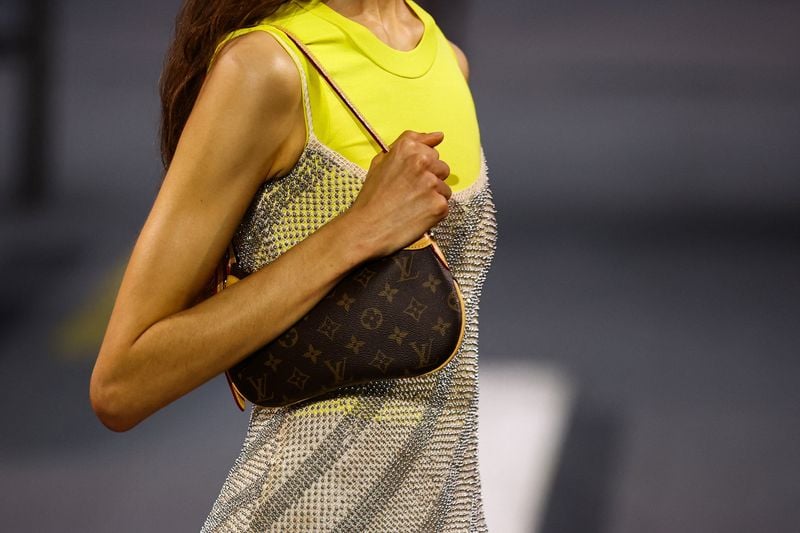
LVMH, the world's largest luxury group, reported weaker-than-expected third-quarter sales on Monday, as a decline in Chinese consumer sentiment negatively impacted demand for its flagship brands Louis Vuitton and Dior. The trading update, which came as the first major sector player to release third-quarter results, is likely to fuel concerns that the $350 billion luxury industry, grappling with a three-year slowdown, will struggle to regain momentum.
Europe's top luxury groups have witnessed a loss of €330 billion in market value since the beginning of the year, with LVMH alone shedding around 40%. The trading update led to a more than 3% drop in LVMH's US-listed shares. Despite a 1% rise in organic sales from a year earlier to €18.5 billion ($20.7 billion), the fashion and leather goods division, which generates nearly half of group revenue, saw a 5% fall in organic sales, falling short of analysts' expectations for a 1.3% growth.
The fashion and leather goods division, which accounts for nearly half of LVMH's revenue, reported a 5% drop in organic sales, compared to the expected 1.8% decline. Analysts anticipate that the results will add to the negative pressure on LVMH and its peers. Growth in LVMH's watches and jewelry division, home to brands such as Bulgari and Tiffany, slowed to 6% from 9% in the first half of the year.
The hard luxury category, generally seen as offering more value than handbags and fashion, has largely held up amid the broader downturn. However, some analysts have recently raised concerns that resilience in this segment may be waning. In a call with analysts, LVMH's Chief Financial Officer, Cecile Cabanis, attributed the sharp decline in Chinese sales to a deteriorating macroeconomic situation and a negative impact on discretionary spending.
Furthermore, China's recent tax crackdown on wealthy individuals has added to the challenges faced by luxury brands, already dealing with the consequences of the Iran war and signs of weakening consumer spending in the US.
Written by urgent.news from Investing.com's reporting — not their text. Machine-written — may contain errors; check the original before relying on it.
This story
This is one outlet's version. Read the fullest account.