Childhood cancer symptoms can be easily missed; here’s what to look out for
Although rare, cancer is the leading cause of death from disease among children under 15 in the UK—yet just under a third of parents say they feel confident recognising the symptoms. About 1,900 children aged 0-14 are diagnosed with cancer each year, according to Cancer Research UK. Thirteen-year-old Amelia Carroll, who is now in remission, […]
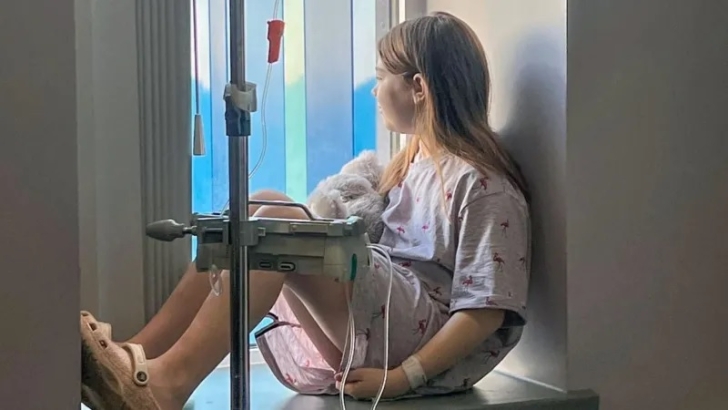
Childhood cancer remains a leading cause of death from disease in the UK among children under 15, despite the rarity of the condition. According to Cancer Research UK, approximately 1,900 children aged 0-14 are diagnosed with cancer each year. Thirteen-year-old Amelia Carroll, now in remission, was diagnosed with acute myeloid leukaemia (AML) last year after her symptoms were initially overlooked.
Parents may find it challenging to recognize the symptoms of childhood cancer, with just under a third feeling confident in their ability to do so. Some common symptoms to watch out for include extreme tiredness, looking pale, unexplained bruises, and lumps or bumps that are growing over time. Experts stress that these symptoms may persist, worsen, or become more noticeable.
If a child exhibits three persistent symptoms, visits the doctor three times, or experiences unexplained symptoms for three weeks, a referral should be considered.
Prof Bob Phillips, a paediatric oncologist, emphasizes the importance of a national campaign to raise awareness and improve diagnosis times. The campaign promotes a rule-of-three for professionals to make a referral when a child has had three persistent symptoms, visited their doctor three times, or has had three weeks of unexplained symptoms.
In Amelia's case, the journey began with a single red bruise that suddenly appeared without explanation. Within 10 days, she was diagnosed with AML and admitted to the hospital for treatment. Amelia's mother, Gemma, recalls how Amelia asked if she had cancer and whether she would die. Amelia is currently in remission and undergoing regular tests every three months.
Despite significant advancements in survival rates, experts urge quicker diagnosis to reduce the need for more intensive treatments. Around half of children diagnosed with cancer in the UK receive a diagnosis within two weeks, but the goal is to reduce the wait for the remaining half from 16 to 20 weeks. Rapid diagnosis can lead to less intensive treatments and better outcomes.
Parents' experiences highlight the importance of awareness. Lynsey Swinscoe, Jake's mother, describes how Jake's initial symptoms of a stuffy nose, watery eyes, and fatigue were initially attributed to hayfever and end-of-term tiredness. It was only when a swelling appeared across the bridge of his nose that Jake was diagnosed with soft tissue sarcoma.
Unfortunately, Jake passed away peacefully on his 14th birthday, just two weeks before his anticipated birthday. His mother advocates for increased awareness to ensure Jake is remembered and to continue raising awareness for childhood cancer.
Written by urgent.news from Adom Online's reporting — not their text. Machine-written — may contain errors; check the original before relying on it.