Carsome: Wage hikes must be matched by skills training, productivity gains
KUALA LUMPUR: The minimum wage increase announced in the 2027 Budget needs to be implemented alongside investments in industry-relevant training, said Carsome Group.
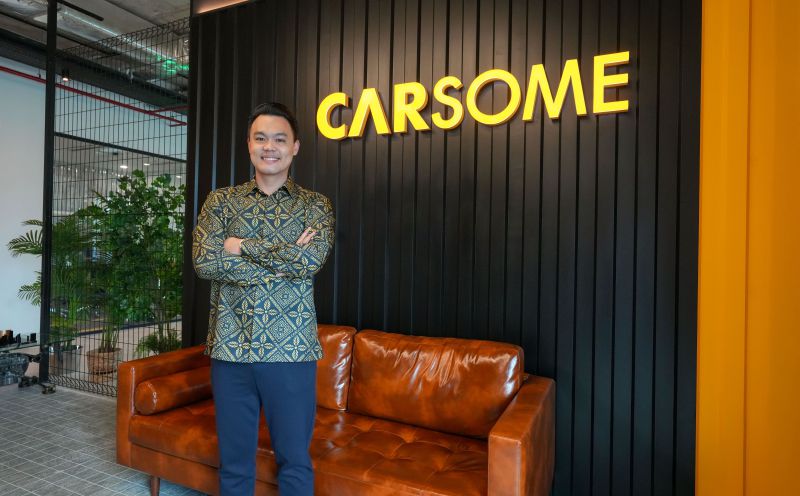
The Malaysian government's decision to raise the minimum wage in the 2027 Budget has drawn the attention of Carsome Group, the country's largest automotive supplier. Chief business officer Aaron Kee emphasized that alongside this wage hike, businesses must also invest in skills training and productivity improvements. The proposed increase in the minimum wage from RM1,700 to RM2,000, coupled with the RM2,500 threshold for semi-skilled and graduate roles, raises concerns about workforce costs and productivity concerns.
Kee stressed the importance of better wages, but highlighted that their long-term impact hinges on businesses' ability to maintain competitiveness. In the automotive industry, skilled technicians, inspectors, and specialized talent are vital for ensuring service quality, operational efficiency, and consumer confidence. Thus, sustained investment in relevant training and technical vocational education becomes crucial as businesses adapt to rising payroll costs.
Kee argued that aligning training with industry needs not only helps businesses develop talent but also creates clearer pathways into automotive careers. The budget's emphasis on industrial development, including the Automotive Hi-Tech Valley, underscores Malaysia's commitment to strengthening its automotive capabilities. Kee also noted that a competitive automotive industry requires businesses capable of sustainable growth, consumers who can afford mobility, and a skilled workforce prepared for the industry's next phase.
While an increase in personal tax relief and fuel assistance provides Malaysians with more disposable income, it does not necessarily translate to affordable vehicle ownership. Factors such as purchase prices, financing, insurance, and maintenance play a significant role in determining vehicle affordability. A competitive automotive market benefits from offering options catering to various financial circumstances, including access to quality pre-owned vehicles.
Additionally, the wider automotive ecosystem influences the market's competitiveness and service quality to consumers. The budget's continued support for green investment, along with capital allowances for machinery and ICT, could help businesses invest in infrastructure and operational capabilities, subject to conditions. Plans to add 50 highway EV chargers and implement new telematics requirements for commercial vehicles indicate the evolving needs of the mobility sector.
These developments present opportunities for businesses across the industry to adopt technology, improve efficiency, and meet changing consumer expectations while maintaining trust and delivering better experiences. Kee concluded by emphasizing that a stronger automotive ecosystem benefits not only manufacturers but also the businesses and consumers connected to the wider market.
Written by urgent.news from New Straits Times's reporting — not their text. Machine-written — may contain errors; check the original before relying on it.